
Contents
- 🎵 Origins & History
- ⚙️ How It Works
- 📊 Key Facts & Numbers
- 👥 Key People & Organizations
- 🌍 Cultural Impact & Influence
- ⚡ Current State & Latest Developments
- 🤔 Controversies & Debates
- 🔮 Future Outlook & Predictions
- 💡 Practical Applications
- 📚 Related Topics & Deeper Reading
- Frequently Asked Questions
- References
- Related Topics
Overview
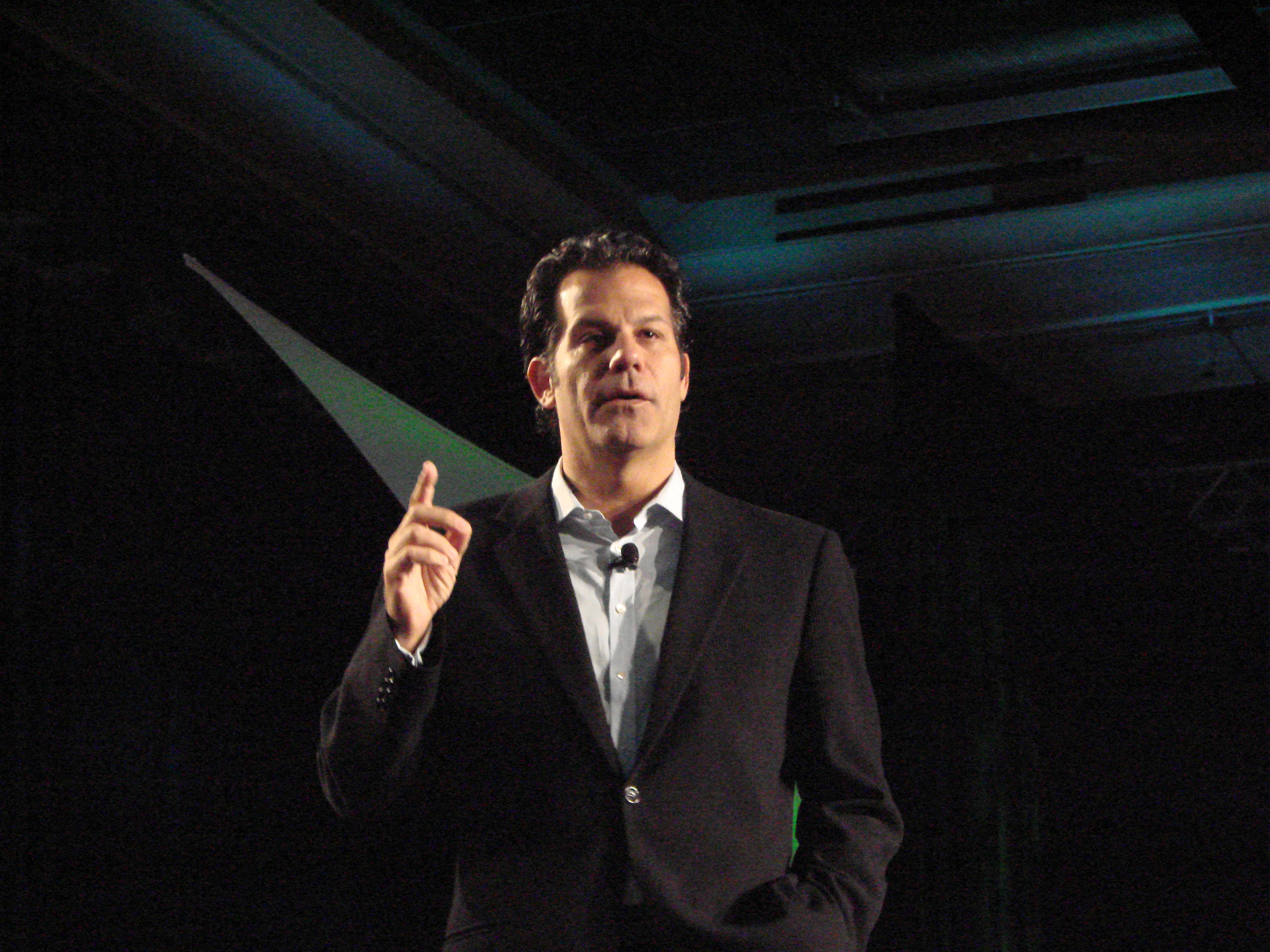
Richard Florida is a renowned American urban studies theorist and writer, best known for his concept of the creative class. As a distinguished professor at the University of Toronto's Rotman School of Management and School of Cities, Florida has spent decades researching and writing about economic and social theory. His 2002 book, The Rise of the Creative Class, is a seminal work that has shaped the way we think about urban development and the role of creativity in driving economic growth. With a career spanning over three decades, Florida has taught at several prestigious institutions, including Carnegie Mellon University, George Mason University, and the University of Toronto. He has also worked as a senior editor at The Atlantic, where he co-founded CityLab, a news website now owned by Bloomberg. As the founder of the Creative Class Group, Florida has consulted with cities and companies around the world, helping them to develop strategies for attracting and retaining creative talent. With his work, Florida has become a leading voice in the field of urban studies, and his ideas have had a profound impact on the way we think about cities and economic development. Today, Florida continues to teach, write, and consult, inspiring a new generation of urban planners, policymakers, and business leaders. His work has been widely cited and has influenced a range of fields, from urban planning to economic development. As a visiting professor at the Owen Graduate School of Management at Vanderbilt University since 2024, Florida remains at the forefront of his field, shaping the conversation about the future of cities and the creative economy.
🎵 Origins & History
Richard Florida was born in 1957 and grew up in a family of modest means. His early life experiences shaped his interest in urban studies and economic development. He earned his undergraduate degree from Rutgers University and later received his Ph.D. in urban planning from Columbia University. Florida's academic career began at Carnegie Mellon University, where he taught from 1987 to 2004. During this time, he developed his concept of the creative class, which would later become the central theme of his work. He has also taught at George Mason University and the University of Toronto, where he is currently a distinguished professor. Florida has worked with numerous cities and companies, including New York City, Los Angeles, and Google.
⚙️ How It Works
Florida's creative class theory is based on the idea that certain types of workers, such as artists, musicians, and software developers, are driving economic growth and urban development. He argues that these workers are attracted to cities that offer a high quality of life, diversity, and creativity. Florida's theory has been influential in shaping urban planning and economic development policies, with many cities seeking to attract creative talent and develop vibrant cultural scenes. For example, Austin, Texas has become a hub for the tech industry, with companies like Amazon and Facebook establishing a presence in the city. Florida's work has also been cited by policymakers, including Barack Obama, who has spoken about the importance of investing in creative industries.
📊 Key Facts & Numbers
Some key facts about Richard Florida include: he has written over 10 books, including The Rise of the Creative Class, which has been translated into over 20 languages. He has also written for numerous publications, including The Atlantic, The New York Times, and The Wall Street Journal. Florida has received numerous awards for his work, including the Harvard Business Review's McKinsey Award. He has also been named one of the most influential people in the world by TIME magazine. Florida's work has been widely cited, with over 100,000 citations to his name. He has also been a frequent guest on TV and radio shows, including NPR and CNN.
👥 Key People & Organizations
Some key people and organizations associated with Richard Florida include: his wife, Rana Florida, who is also a writer and urban planner. He has also worked with numerous cities and companies, including Miami, Chicago, and IBM. Florida has also collaborated with other urban studies theorists, such as Jane Jacobs and Daniel Burnham. He has also been influenced by the work of Karl Marx and Friedrich Hayek. Florida's work has also been recognized by numerous organizations, including the National Endowment for the Arts and the Knight Foundation.
🌍 Cultural Impact & Influence
Richard Florida's work has had a significant cultural impact and influence. His concept of the creative class has been widely adopted and has shaped the way we think about urban development and economic growth. Florida's ideas have also influenced the way we think about work and leisure, with many people seeking to combine their passion for creativity with their professional lives. For example, the rise of the gig economy has led to an increase in freelance and remote work, with many people seeking to work in creative fields. Florida's work has also been recognized by numerous cultural institutions, including the Museum of Modern Art and the Brooklyn Museum.
⚡ Current State & Latest Developments
Currently, Richard Florida is a visiting professor at the Owen Graduate School of Management at Vanderbilt University. He continues to write and consult, and his work remains widely influential. Florida has also been recognized for his contributions to the field of urban studies, including being named a distinguished professor at the University of Toronto. He has also received numerous awards for his work, including the Urban Land Institute's J.C. Nichols Prize for Visionaries in Urban Development. Florida's work has also been cited by numerous policymakers, including Justin Trudeau, who has spoken about the importance of investing in creative industries.
🤔 Controversies & Debates
Some controversies and debates surrounding Richard Florida's work include: criticisms that his concept of the creative class is too broad and encompasses too many different types of workers. Others have argued that Florida's ideas have been used to justify gentrification and the displacement of low-income communities. For example, the Brooklyn neighborhood of Williamsburg has seen a significant influx of creative professionals, leading to rising housing costs and displacement of long-time residents. Florida has also been criticized for his views on the role of government in economic development, with some arguing that he places too much emphasis on the private sector. However, Florida has also been recognized for his contributions to the field of urban studies, including being named one of the most influential people in the world by TIME magazine.
🔮 Future Outlook & Predictions
Looking to the future, Richard Florida's work is likely to continue to shape the way we think about urban development and economic growth. His ideas about the creative class and the importance of diversity and creativity in driving economic growth are likely to remain influential. Florida has also been recognized for his contributions to the field of urban studies, including being named a distinguished professor at the University of Toronto. He has also received numerous awards for his work, including the Urban Land Institute's J.C. Nichols Prize for Visionaries in Urban Development. As cities continue to evolve and grow, Florida's work will remain an important reference point for urban planners, policymakers, and business leaders.
💡 Practical Applications
Some practical applications of Richard Florida's work include: using his concept of the creative class to develop strategies for attracting and retaining creative talent in cities. For example, the city of Seattle has established a number of initiatives to support the growth of the tech industry, including the creation of a Seattle Tech Industry alliance. Florida's ideas about the importance of diversity and creativity in driving economic growth can also be used to develop policies and programs that support the development of vibrant cultural scenes. For example, the city of New Orleans has established a number of initiatives to support the growth of the arts and cultural industries, including the creation of a New Orleans Arts Council.
Key Facts
- Year
- 1957
- Origin
- United States
- Category
- culture
- Type
- person
Frequently Asked Questions
What is the creative class?
The creative class refers to a group of workers who are driving economic growth and urban development through their creative talents, such as artists, musicians, and software developers. This concept was first introduced by Richard Florida in his 2002 book, The Rise of the Creative Class. According to Florida, the creative class is a key driver of economic growth and urban development, and cities should prioritize attracting and retaining creative talent. For example, the city of San Francisco has established a number of initiatives to support the growth of the tech industry, including the creation of a San Francisco Tech Industry alliance.
What is Richard Florida's concept of the creative class?
Richard Florida's concept of the creative class refers to a group of workers who are driving economic growth and urban development through their creative talents. This concept is based on the idea that certain types of workers, such as artists, musicians, and software developers, are attracted to cities that offer a high quality of life, diversity, and creativity. For example, the city of Austin, Texas has become a hub for the tech industry, with companies like Amazon and Facebook establishing a presence in the city. Florida's work has also been recognized by numerous policymakers, including Barack Obama, who has spoken about the importance of investing in creative industries.
What are some criticisms of Richard Florida's work?
Some criticisms of Richard Florida's work include: criticisms that his concept of the creative class is too broad and encompasses too many different types of workers. Others have argued that Florida's ideas have been used to justify gentrification and the displacement of low-income communities. For example, the Brooklyn neighborhood of Williamsburg has seen a significant influx of creative professionals, leading to rising housing costs and displacement of long-time residents. However, Florida has also been recognized for his contributions to the field of urban studies, including being named one of the most influential people in the world by TIME magazine.
What are some practical applications of Richard Florida's work?
Some practical applications of Richard Florida's work include: using his concept of the creative class to develop strategies for attracting and retaining creative talent in cities. For example, the city of Seattle has established a number of initiatives to support the growth of the tech industry, including the creation of a Seattle Tech Industry alliance. Florida's ideas about the importance of diversity and creativity in driving economic growth can also be used to develop policies and programs that support the development of vibrant cultural scenes. For example, the city of New Orleans has established a number of initiatives to support the growth of the arts and cultural industries, including the creation of a New Orleans Arts Council.
What are some related topics and deeper reading on Richard Florida's work?
Some related topics and deeper reading on Richard Florida's work include: the concept of the creative class and its relationship to urban development and economic growth. For example, the work of Charles Landry on the creative city has been influential in shaping the way we think about urban development. Florida's ideas about the importance of diversity and creativity in driving economic growth can also be explored in more depth through his books and articles. For example, his book The Rise of the Creative Class provides a comprehensive overview of his concept of the creative class and its implications for urban development and economic growth.
How has Richard Florida's work been recognized?
Richard Florida's work has been widely recognized and influential. He has been named one of the most influential people in the world by TIME magazine and has received numerous awards for his work, including the Urban Land Institute's J.C. Nichols Prize for Visionaries in Urban Development. Florida's work has also been cited by numerous policymakers, including Justin Trudeau, who has spoken about the importance of investing in creative industries. For example, the city of Toronto has established a number of initiatives to support the growth of the arts and cultural industries, including the creation of a Toronto Arts Council.
What are some of the key challenges facing cities in terms of attracting and retaining creative talent?
Some of the key challenges facing cities in terms of attracting and retaining creative talent include: providing a high quality of life, diversity, and creativity. Cities must also prioritize investing in education and infrastructure to support the growth of the creative class. For example, the city of Vancouver has established a number of initiatives to support the growth of the tech industry, including the creation of a Vancouver Tech Industry alliance. Florida's work has also been recognized by numerous policymakers, including Barack Obama, who has spoken about the importance of investing in creative industries.