
Contents
Overview
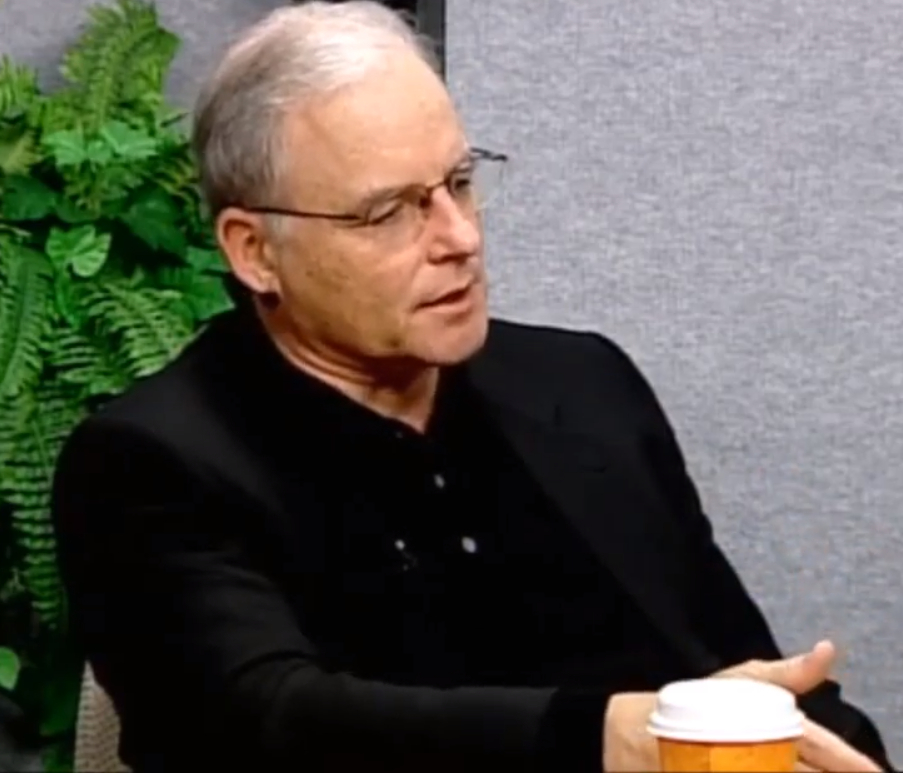
Richard Louv's journey into advocating for children's connection with nature began not as an academic pursuit, but as a concerned father and journalist observing societal shifts. Louv's early career as a writer for various publications, including The San Diego Union-Tribune, exposed him to a wide range of societal issues. His seventh book, Last Child in the Woods: Saving Our Children From Nature-Deficit Disorder, published in 2005 by Algonquin Books, became the cornerstone of his public identity. This seminal work wasn't an isolated thought; it was the culmination of years of observation and research, drawing parallels between declining childhood engagement with the outdoors and rising rates of childhood obesity, attention disorders, and depression. Louv's approach was to synthesize existing scientific literature with anecdotal evidence, creating a compelling narrative that resonated with parents, educators, and policymakers alike.
⚙️ The Concept of Nature-Deficit Disorder
The core of Louv's work revolves around the concept of 'nature-deficit disorder,' a term he coined to describe the human costs of alienation from the natural world. He posits that this deficit is not a formal medical diagnosis but a descriptive phrase for the range of problems—physical, psychological, and social—that may arise from a lack of exposure to nature. Louv meticulously details how unstructured outdoor play fosters creativity, problem-solving skills, and a sense of wonder, while its absence can contribute to increased anxiety, reduced sensory development, and a diminished capacity for empathy. He draws upon studies linking time spent in natural environments to improved concentration in children with ADHD, reduced symptoms of stress, and enhanced immune function, presenting a powerful case for nature as a vital component of healthy development.
📊 Key Facts & Numbers
Louv's impact is quantifiable. Last Child in the Woods has been translated into an unspecified number of languages. His work has been cited in an unspecified number of academic studies, underscoring its academic influence. The term 'nature-deficit disorder' itself has become a widely recognized phrase, appearing in countless articles and discussions. Louv has spoken at an unspecified number of conferences and events globally, reaching an unspecified audience. Louv's advocacy has contributed to the creation of an unspecified number of new nature-based programs and initiatives across North America and Europe, demonstrating a tangible shift in how communities approach children's engagement with the outdoors.
👥 Key People & Organizations
Beyond Louv himself, a network of individuals and organizations has amplified his message. Key figures include Sam Hustvedt, a psychologist whose research supports the benefits of nature exposure, and Clara Myers-Brown, a public health nurse who has explored the links between environmental factors and child development. Organizations like the Children & Nature Network, co-founded by Louv, have been pivotal in translating his ideas into action, providing resources and fostering collaborations. Educational institutions, such as the University of Wisconsin-Stevens Point, have developed curricula and research centers focused on environmental education and outdoor learning, directly influenced by Louv's framework. His work also finds resonance with conservation groups like the Audubon Society, which reportedly awarded him the Audubon Medal in 2008.
🌍 Cultural Impact & Influence
The cultural ripple effect of Louv's work is undeniable. His writings have fueled a significant shift in public consciousness regarding the importance of nature for children's development, often referred to as the 'nature movement.' This has led to increased demand for outdoor education programs, 'forest schools,' and nature-based summer camps. Urban planners and landscape architects are increasingly incorporating natural elements and accessible green spaces into city designs, recognizing their therapeutic value. Furthermore, Louv's ideas have permeated parenting advice, encouraging families to prioritize outdoor activities over screen time, a trend amplified by the rise of social media campaigns and parent-led nature groups. His influence is evident in the growing body of literature and media exploring the human-animal bond and the restorative power of the natural world.
⚡ Current State & Latest Developments
In 2024 and beyond, the conversation Louv ignited continues to evolve. The Children & Nature Network remains a central hub, actively promoting research and policy changes to increase equitable access to nature for all children. Initiatives like 'Leave No Trace' and 'Project Wild' are adapting their educational materials to incorporate Louv's emphasis on unstructured play and sensory engagement. There's a growing focus on addressing the disparities in access to nature, particularly in urban and low-income communities, with organizations working to create more inclusive outdoor experiences. Louv himself continues to write and speak, often addressing the challenges posed by climate change and the digital age on the human-nature connection, urging for continued innovation in reconnecting people with the environment.
🤔 Controversies & Debates
While Louv's concept of nature-deficit disorder has been widely embraced, it's not without its critics. Some medical professionals argue that 'nature-deficit disorder' lacks the empirical rigor of a formal clinical diagnosis, cautioning against pathologizing a lack of outdoor time without more precise diagnostic criteria. Skeptics also point to the potential for romanticizing nature and overlooking other significant factors influencing child development, such as socioeconomic status, family dynamics, and access to quality education. There's also a debate about the practical implementation of Louv's recommendations in densely populated urban areas or in communities facing significant safety concerns, questioning the feasibility of widespread unstructured outdoor play. Despite these critiques, the overwhelming consensus is that Louv's work has significantly raised awareness about a critical issue.
🔮 Future Outlook & Predictions
The future outlook for Louv's ideas remains robust, with predictions pointing towards an even greater integration of nature into daily life. Experts anticipate a surge in 'nature prescriptions' being issued by healthcare providers, formalizing the therapeutic benefits of outdoor exposure. Educational systems are likely to see a continued expansion of outdoor learning models, moving beyond traditional 'nature walks' to fully immersive environmental education. Urban planning will increasingly prioritize biophilic design principles, weaving natural landscapes into the fabric of cities to enhance well-being. Louv's legacy suggests a long-term trend toward recognizing nature not as an amenity, but as a fundamental necessity for human health and societal resilience, particularly in the face of increasing urbanization and digital saturation.
💡 Practical Applications
The practical applications of Louv's work are manifold, empowering individuals and institutions to foster greater connection with nature. For parents, this translates to prioritizing unstructured outdoor play, even in small urban spaces, and encouraging exploration rather than structured activities. Educators are implementing 'outdoor classrooms,' integrating natural elements into curriculum, and advocating for recess time in green spaces. Healthcare providers are increasingly recognizing the therapeutic benefits of nature, with some prescribing time outdoors for conditions ranging from stress to obesity. Urban planners and policymakers can utilize Louv's insights to design more livable cities with accessible parks, greenways, and community gardens, fostering a healthier environment for all residents. Even simple actions, like bringing plants indoors or visiting local parks, embody the principles Louv champions.
Key Facts
- Category
- person
- Type
- topic