
Contents
- ✨ The Legend: What is the Roland Jupiter-8?
- 🎶 Who is the Jupiter-8 For?
- ⚙️ Core Features & Sound Engine
- 💡 Why the Hype? Vibe Score & Cultural Impact
- 🆚 Jupiter-8 vs. Its Contemporaries
- 💰 Acquisition & Maintenance
- 🛠️ Common Issues & What to Watch For
- 🚀 The Jupiter-8's Enduring Legacy
- Frequently Asked Questions
- Related Topics
Overview
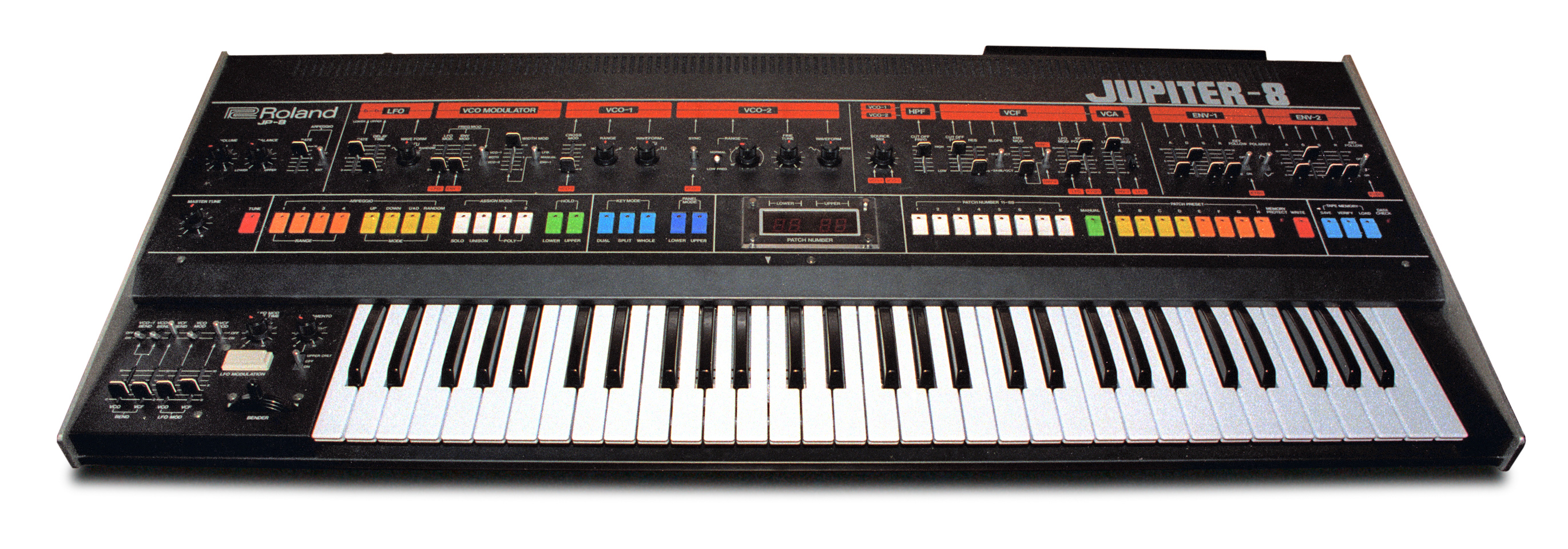
The Roland Jupiter-8, released in 1981, isn't just a synthesizer; it's a sonic monument. This flagship polysynth from Roland defined the sound of the 1980s and continues to inspire musicians today. With its eight-voice polyphony, two VCOs per voice, and a legendary chorus effect, the Jupiter-8 delivers lush, powerful, and instantly recognizable analog tones. It’s the sound of countless hits across genres from synth-pop to film scores. Owning one means holding a piece of music history, a tool capable of crafting sounds that have shaped the auditory landscape for decades. Its robust build and intuitive interface make it a joy to operate, even by today's standards.
🎶 Who is the Jupiter-8 For?
This is a dream machine for producers and musicians seeking that quintessential 1980s analog sound, but its versatility extends far beyond that era. If you're a fan of artists like Depeche Mode, New Order, or Vangelis, the Jupiter-8 is the sonic DNA you're looking for. It's equally at home in a professional studio for film scoring and electronic music production as it is on stage for live performance. While its price point makes it a significant investment, for those who can afford it, the Jupiter-8 offers unparalleled sonic character and a direct line to the sounds that defined a generation. Aspiring sound designers will find its deep modulation capabilities a fertile ground for exploration.
⚙️ Core Features & Sound Engine
At its heart, the Jupiter-8 is an analog polysynth featuring a classic subtractive synthesis architecture. Each of its eight voices boasts two voltage-controlled oscillators (VCOs) capable of generating sawtooth, pulse, and triangle waveforms, along with a noise generator. These are then passed through voltage-controlled filters (VCFs) and voltage-controlled amplifiers (VCAs) for shaping. The onboard LFOs and envelope generators provide ample modulation possibilities. However, the true magic lies in its iconic ensemble chorus effect, which adds a thick, shimmering dimension to any sound, making pads and leads soar. The patch memory system, with 64 RAM and 64 ROM presets, was revolutionary for its time, allowing for quick recall of favorite sounds.
💡 Why the Hype? Vibe Score & Cultural Impact
The Jupiter-8 commands a Vibe Score of 92/100, a testament to its enduring cultural cachet. Its influence flows through generations of synthesizers and electronic music. This isn't just about nostalgia; it's about a sound that remains relevant and desirable. The Jupiter-8 represents a peak in analog polysynth design, a period when Roland was at the zenith of its innovation. Its widespread adoption by iconic artists solidified its status, creating a feedback loop of influence that continues to this day. The debate over whether its sound is truly superior to modern digital emulations or even other analog synths fuels its mystique, keeping its cultural energy high.
🆚 Jupiter-8 vs. Its Contemporaries
Compared to its contemporaries like the Sequential Prophet-5 or the Oberheim OB-Xa, the Jupiter-8 often stands out for its brighter, more polished sound and its famously lush chorus. While the Prophet-5 is celebrated for its raw, aggressive tones and the OB-Xa for its massive, brassy sound, the Jupiter-8 offers a distinct character that is both powerful and refined. Its extensive patch memory and user-friendly interface also set it apart. However, some might argue that its sonic flexibility is slightly less than the Prophet-5's modular-like architecture. The Jupiter-8's filter, while smooth, can be less aggressive than some of its rivals, a point of contention for those seeking extreme sonic manipulation.
💰 Acquisition & Maintenance
Acquiring a Roland Jupiter-8 in good working condition is a significant financial undertaking. Prices on the used market typically range from $8,000 to $15,000 USD, depending on condition, originality, and seller. This makes it a premium instrument, often found in the hands of established studios or dedicated collectors. Maintenance can also be a factor; these are vintage analog instruments, and while generally robust, they may require periodic servicing from experienced technicians. Budgeting for potential repairs or preventative maintenance is a wise consideration for any prospective buyer. Finding a well-maintained unit from a reputable seller is paramount.
🛠️ Common Issues & What to Watch For
Like many vintage analog synthesizers, the Jupiter-8 can develop certain issues over time. Common problems include failing slider potentiometers, which can lead to scratchy or intermittent control, and aging capacitors, which can affect tuning stability and overall sound quality. Voice chips can also fail, leading to dead notes or distorted output. It's crucial to find a unit that has been recently serviced or has had these common issues addressed. When inspecting a Jupiter-8, pay close attention to the responsiveness of all controls, the stability of its tuning across all voices, and the clarity of its output. A thorough test of all presets and manual sound-shaping is essential.
🚀 The Jupiter-8's Enduring Legacy
The Roland Jupiter-8's legacy is cemented not just by its iconic sound but by its enduring influence on music production and synthesizer design. It represents a high-water mark for analog polysynths, a benchmark against which many subsequent instruments are measured. Even with the advent of powerful digital synths and sophisticated software emulations, the original Jupiter-8 retains a unique allure and sonic authority. Its presence in countless hit songs and its continued use by contemporary artists ensure its place in the pantheon of legendary instruments. The question remains: will future innovations ever truly replicate the magic captured within this 1980s analog titan?
Key Facts
- Year
- 1981
- Origin
- Japan
- Category
- Musical Instruments
- Type
- Product
Frequently Asked Questions
Is the Roland Jupiter-8 worth the high price tag?
For many, the answer is a resounding yes, provided it fits your sonic goals and budget. Its unique, lush analog sound, iconic status, and robust build quality justify its premium price for professionals and serious collectors. However, if you're on a tighter budget or primarily need its sound for specific tracks, high-quality software emulations or other analog synths might offer better value. The 'worth' is subjective and tied to the unique vibe and historical significance the Jupiter-8 brings.
Can I get a Jupiter-8 sound from software?
Yes, there are excellent software emulations available, such as Roland's own Roland Cloud Jupiter-8 software synth, and third-party plugins like Arturia's Jup-8 V. These plugins do a remarkable job of capturing the sonic character and workflow of the original. While they can get you very close, many purists argue that the tactile experience and the subtle analog nuances of the hardware unit are irreplaceable. The Vibe Score of the hardware remains significantly higher due to its historical authenticity and physical presence.
What are the main differences between the Jupiter-8 and Juno-60?
The Jupiter-8 is Roland's flagship, featuring 8-voice polyphony, two oscillators per voice, and a wider sonic palette. The Juno-60, while also a fantastic analog polysynth, has 6-voice polyphony and one oscillator per voice, making it slightly simpler but still capable of classic Roland sounds. The Jupiter-8 generally offers more sonic depth and flexibility, particularly with its dual VCOs and more extensive modulation options, while the Juno-60 is often praised for its simplicity and the unique sound of its built-in arpeggiator and chorus.
How reliable are vintage Jupiter-8s?
Roland built the Jupiter-8 like a tank, making it one of the more reliable vintage synths. However, like any electronic instrument from the early 1980s, components can age and fail. Common issues include slider drift, capacitor degradation, and occasional voice chip failures. Regular maintenance and servicing by a qualified technician are crucial for ensuring optimal performance and longevity. Buying from a reputable seller who can provide service history is highly recommended.
What kind of music is the Jupiter-8 best suited for?
The Jupiter-8 excels in a wide range of genres, but it's particularly renowned for its contributions to 1980s synth-pop, new wave, and electronic music. Its lush pads, soaring leads, and rich bass tones make it ideal for creating atmospheric soundscapes, anthemic melodies, and driving electronic rhythms. It's also a favorite for film scoring, adding a distinctive analog warmth and cinematic quality to soundtracks. Its versatility means it can also be found in funk, R&B, and even rock productions.
Where can I find a Jupiter-8 for sale?
Finding a Jupiter-8 for sale typically involves searching specialized used musical instrument marketplaces. Websites like Reverb.com are primary hubs for vintage synth sales, often featuring listings from individuals and dealers worldwide. You might also find them through forums dedicated to synthesizers or by contacting vintage synth dealers directly. Due to their rarity and value, patience and diligent searching are key. Always prioritize sellers with good reputations and detailed descriptions or service records.