
Contents
- 🐦 What Are Seabirds?
- 🗺️ Where to Find Them: Global Hotspots
- 🧭 Navigating the Skies and Seas: Key Adaptations
- 🍽️ Diet and Foraging Strategies
- 🌊 Threats and Conservation Status
- 🔭 How to Observe Seabirds Responsibly
- 💡 Fascinating Seabird Facts
- ⚖️ Seabirds vs. Other Bird Groups: A Comparison
- Frequently Asked Questions
- Related Topics
Overview
Seabirds are a diverse group of avian species uniquely adapted to life in marine environments, spanning oceans, coastlines, and islands worldwide. From the soaring albatrosses with their immense wingspans to the agile penguins built for underwater pursuit, these birds play critical roles in marine ecosystems, acting as indicators of ocean health and participating in complex food webs. Their migratory patterns often cover vast distances, connecting disparate parts of the globe, while their breeding colonies, sometimes numbering in the millions, are vital hubs of activity. Understanding seabirds requires appreciating their specialized physiology, their reliance on specific oceanic conditions, and the significant threats they face from human activities.
🐦 What Are Seabirds?
Seabirds, a diverse group of avian specialists, are defined by their profound reliance on the ocean for survival. From the vast open ocean to rugged coastlines, these birds have evolved remarkable adaptations to thrive where others cannot. Their lives are intrinsically linked to the sea, dictating their feeding habits, breeding cycles, and migratory patterns. Understanding seabirds means understanding the intricate dynamics of marine ecosystems and the pressures they face. This entry explores the defining characteristics and ecological significance of these feathered mariners.
🗺️ Where to Find Them: Global Hotspots
While seabirds inhabit every ocean on Earth, certain locations stand out as critical hubs for their populations. Antarctica's surrounding waters teem with penguins and albatrosses, while the North Atlantic hosts vast colonies of puffins and gannets on islands like St Kilda. The Pacific Ocean's remote islands, such as Midway Atoll, are vital nesting grounds for albatrosses and terns. Coastal areas in South America, particularly Peru and Chile, are renowned for their guano-producing seabird colonies, historically significant for fertilizer production. Identifying these hotspots is crucial for both conservation efforts and for ornithological enthusiasts.
🍽️ Diet and Foraging Strategies
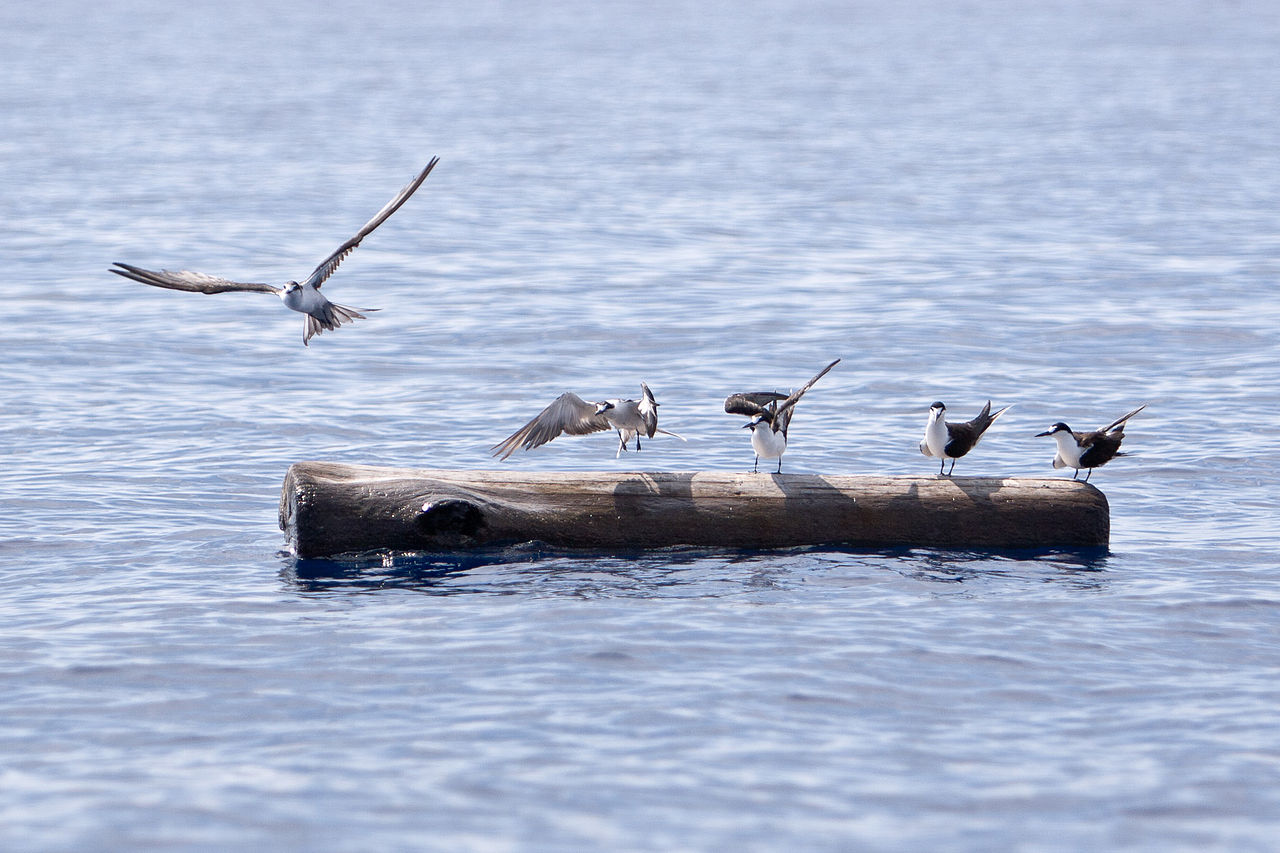
The diet of seabirds is as varied as their habitats, reflecting a spectrum of foraging strategies. Many, like petrels and shearwaters, are surface feeders, consuming small fish, squid, and plankton. Penguins are accomplished divers, pursuing fish and krill deep beneath the waves. Gulls and skuas are often opportunistic scavengers, while terns are known for their spectacular plunge-diving attacks on small fish. The albatross family, with their incredible wingspans, are pelagic foragers, often following ships or feeding on carrion far from land. Understanding these feeding guilds is key to comprehending their role in the marine food web.
🌊 Threats and Conservation Status
Despite their resilience, seabirds face unprecedented threats, leading to significant conservation concerns. Overfishing depletes their food sources, while plastic pollution poses a deadly hazard, often mistaken for food. Climate change disrupts breeding cycles and alters prey distribution, impacting populations worldwide. Bycatch from fishing gear remains a major cause of mortality for many species, particularly albatrosses and petrels. The IUCN Red List categorizes many seabird species as vulnerable or endangered, underscoring the urgent need for global conservation initiatives and sustainable fishing practices.
🔭 How to Observe Seabirds Responsibly
Observing seabirds in their natural habitat requires a mindful approach to minimize disturbance. When visiting known seabird colonies, maintain a respectful distance, especially during breeding seasons, to avoid stressing nesting birds or causing abandonment. Boat tours offer excellent opportunities to see pelagic species, but ensure operators adhere to responsible wildlife viewing guidelines. Using binoculars or spotting scopes allows for close-up views without intrusion. Remember that seabirds are wild animals; their well-being should always be the priority, and disturbing them for a photograph is never acceptable. Always follow local regulations and guidelines for wildlife viewing.
💡 Fascinating Seabird Facts
Seabirds boast some astonishing feats. The Wandering Albatross (Diomedea exulans) has the largest wingspan of any living bird, reaching up to 3.5 meters (11.5 feet), enabling it to glide for hours with minimal effort. Arctic Terns undertake the longest known migrations, traveling from their Arctic breeding grounds to Antarctica and back annually, covering over 70,000 km (44,000 miles). Some penguins, like the Emperor Penguin, can dive to depths exceeding 500 meters (1,640 feet) in search of food. The Manx Shearwater (Puffinus puffinus) can navigate back to its burrow from hundreds of kilometers out at sea, a remarkable feat of avian navigation.
⚖️ Seabirds vs. Other Bird Groups: A Comparison
While all birds share a common ancestry, seabirds exhibit distinct evolutionary paths compared to their terrestrial or freshwater counterparts. Unlike songbirds that rely on insects or seeds, seabirds are adapted to exploit marine resources, often requiring specialized physiological traits like salt glands. Their morphology differs significantly; for instance, ducks and geese possess webbed feet for aquatic locomotion but are not typically pelagic, whereas penguins have evolved flipper-like wings for underwater propulsion. Raptors, while apex predators, hunt terrestrial or aerial prey, whereas seabirds like skuas often prey on other seabirds or scavenge marine carrion. This specialization highlights the unique ecological niches occupied by marine avifauna.
Key Facts
- Year
- 2024
- Origin
- Vibepedia.wiki
- Category
- Wildlife & Ecology
- Type
- Topic
Frequently Asked Questions
What is the primary difference between seabirds and other birds?
The primary distinction lies in their ecological niche and adaptations. Seabirds are fundamentally dependent on the marine environment for food and often for breeding, possessing specialized physiological traits like salt glands and waterproof plumage. Terrestrial birds, conversely, are adapted to land-based ecosystems, foraging on insects, seeds, fruits, or small mammals, and typically lack the extreme adaptations for saltwater tolerance and pelagic living.
Are all seabirds migratory?
No, not all seabirds are migratory, though many undertake extensive journeys. Some species, like certain gulls and cormorants, may be resident or undertake only short-distance movements in response to food availability or breeding conditions. However, species like the Arctic Tern are famous for their pole-to-pole migrations, driven by the seasonal abundance of food resources in different hemispheres. The degree of migration varies significantly by species and geographic location.
How do seabirds deal with the salt in seawater?
Seabirds possess specialized supraorbital salt glands located above their eyes. These glands efficiently filter excess salt from their bloodstream, excreting it as a concentrated saline solution, often dripped from the beak or shaken off. This physiological mechanism is crucial for maintaining hydration and electrolyte balance when consuming saltwater prey or drinking seawater, a common necessity for birds living in a marine environment.
What are the biggest threats to seabird populations today?
The most significant threats include plastic pollution, which seabirds ingest or become entangled in, leading to starvation or injury. Overfishing depletes their food sources, and bycatch from fishing gear causes high mortality rates. Climate change disrupts marine ecosystems, altering prey distribution and impacting breeding success. Habitat degradation and pollution from oil spills and chemical contaminants also pose severe risks to seabird populations globally.
Can seabirds really fly thousands of miles without stopping?
Yes, some seabirds, particularly albatrosses and petrels, are renowned for their incredible endurance in flight. They utilize dynamic soaring techniques, riding wind currents over the ocean surface to conserve energy. Species like the Wandering Albatross can spend months at sea without returning to land, covering vast distances in search of food. Their physiology and flight mechanics are exceptionally adapted for prolonged aerial journeys over the open ocean.
Where is the best place to see a large variety of seabirds?
Prime locations often include remote islands with large seabird colonies, such as St Kilda in Scotland, Bonaventure Island in Canada, or Midway Atoll in the Pacific. Coastal cliffs and headlands during migration seasons, like Cape May in New Jersey or Bempton Cliffs in the UK, also offer excellent viewing opportunities. Pelagic birdwatching tours venturing far offshore are essential for spotting more elusive oceanic species like albatrosses and petrels.