
Contents
- 💎 What is Silicon Carbide (SiC)?
- ⚙️ The Engineering Marvel: Beyond Abrasives
- ⚡ SiC in Power Electronics: The Game Changer
- 🚗 Automotive Applications: Where Endurance Matters
- 🛡️ Defense & Aerospace: Unyielding Strength
- 💡 The Future of SiC: What's Next?
- 🤔 SiC vs. Other Materials: A Comparative Edge
- 📈 Market Trends & Growth Drivers
- Frequently Asked Questions
- Related Topics
Overview
Silicon Carbide (SiC) is a compound semiconductor material renowned for its exceptional hardness, high thermal conductivity, and superior electrical properties compared to silicon. Its ability to withstand higher voltages, temperatures, and frequencies makes it indispensable for next-generation power electronics, electric vehicles, and renewable energy systems. While its production is more complex and costly than traditional silicon, ongoing advancements are driving down costs and expanding its applications. SiC devices promise greater efficiency, smaller form factors, and enhanced reliability in demanding environments, positioning it as a critical enabler for a more sustainable and electrified world.
💎 What is Silicon Carbide (SiC)?
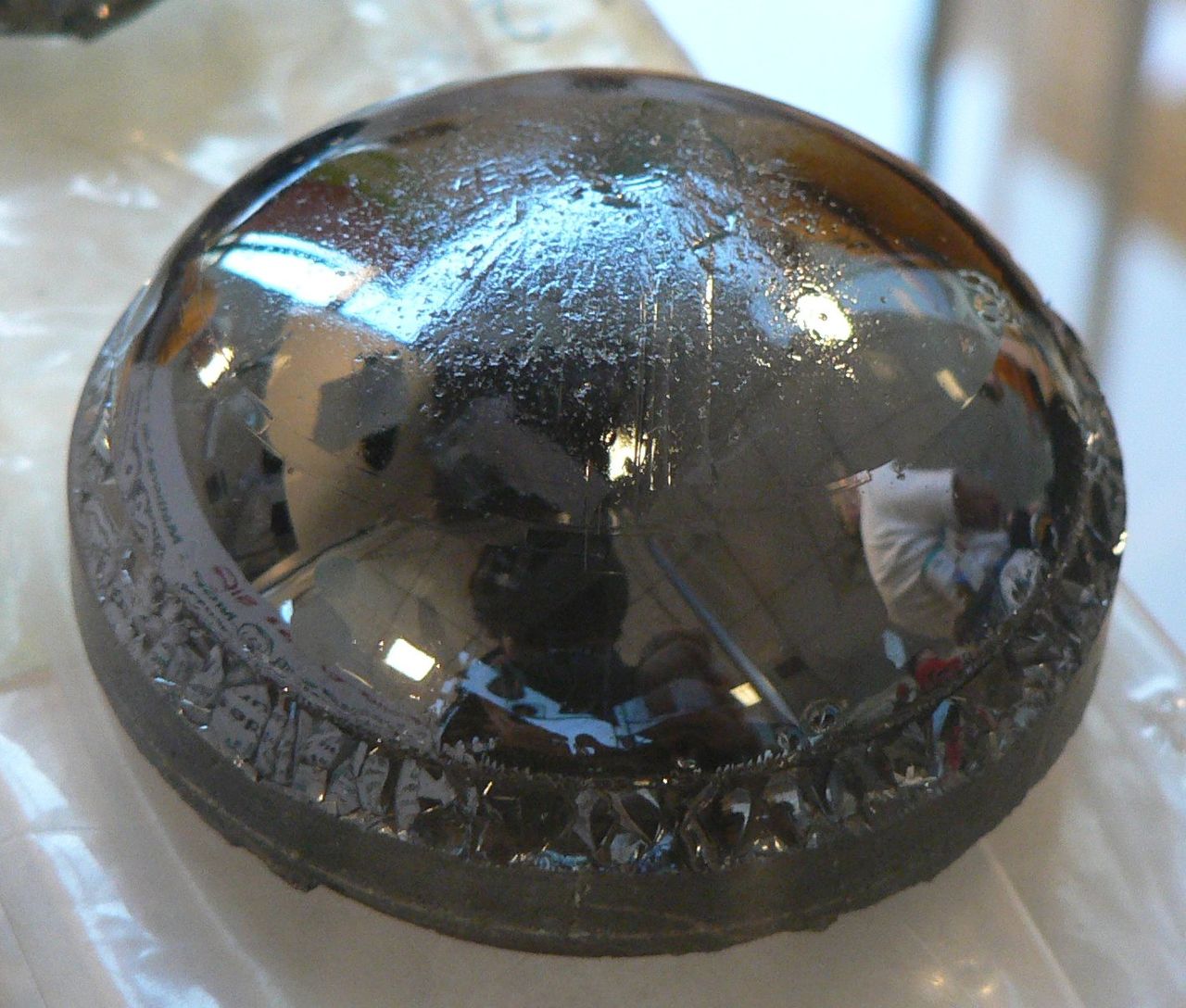
Silicon carbide (SiC), or carborundum as it's colloquially known, is a formidable compound of silicon and carbon. While its natural form, moissanite, is a geological rarity, its synthetic production since 1893 has unlocked a universe of applications. Primarily recognized for its extreme hardness, SiC is the backbone of high-end abrasives, grinding wheels, and polishing compounds. Its ability to withstand immense wear and tear makes it indispensable in industries where durability is paramount. Think of the precision required in semiconductor manufacturing or the sheer grit needed in heavy industrial processes; SiC is often the silent workhorse.
⚙️ The Engineering Marvel: Beyond Abrasives
Beyond its abrasive fame, SiC's true engineering prowess lies in its material properties. When sintered, SiC forms ceramics of exceptional hardness and thermal stability, making them ideal for components that face extreme conditions. These aren't your everyday ceramics; they are engineered materials designed for high endurance. Applications range from industrial furnaces and heat exchangers to specialized seals and bearings that operate under immense pressure and temperature. The material's resistance to chemical attack further broadens its utility in corrosive environments, a critical factor in many advanced manufacturing settings.
⚡ SiC in Power Electronics: The Game Changer
The real buzz around SiC in recent years centers on its role as a wide bandgap semiconductor. Unlike traditional silicon, SiC can handle significantly higher voltages, temperatures, and frequencies with greater efficiency. This translates directly into smaller, lighter, and more power-dense electronic devices. SiC MOSFETs and SiC diodes are revolutionizing power conversion systems, from electric vehicle chargers and solar inverters to industrial motor drives. The energy savings and performance improvements are substantial, driving a rapid adoption curve in the electronics sector.
🚗 Automotive Applications: Where Endurance Matters
In the automotive world, SiC's impact is increasingly felt, especially in the burgeoning electric vehicle (EV) market. Its high-temperature resistance and power handling capabilities make it perfect for onboard chargers, inverters, and DC-DC converters, leading to improved efficiency and range. Beyond EVs, SiC's robustness is utilized in automotive braking systems and clutch facings, where its wear resistance significantly extends component life and enhances safety. The demand for more efficient and durable automotive components is a direct tailwind for SiC adoption.
🛡️ Defense & Aerospace: Unyielding Strength
The demanding environments of defense and aerospace sectors find a natural ally in silicon carbide. Its exceptional hardness and thermal shock resistance make it a prime candidate for ceramic armor plates in body armor and vehicle protection, offering superior ballistic performance compared to traditional materials. In aerospace, SiC components are found in high-temperature engine parts, bearings, and seals, where they contribute to lighter, more fuel-efficient, and more reliable aircraft. Its ability to withstand extreme conditions without degradation is a critical advantage in these high-stakes applications.
💡 The Future of SiC: What's Next?
The trajectory for SiC is steep and exciting. Researchers are pushing the boundaries of SiC crystal growth for even larger, higher-quality wafers, enabling more complex and efficient power semiconductor devices. Innovations in SiC composite materials are exploring new frontiers in structural applications, potentially replacing heavier metals in aerospace and automotive. The push for greater energy efficiency across all sectors, coupled with advancements in manufacturing techniques, suggests that SiC will become even more ubiquitous in the coming decade, powering everything from advanced computing to next-generation energy grids.
🤔 SiC vs. Other Materials: A Comparative Edge
When comparing SiC to other materials, its unique combination of properties stands out. Against traditional silicon in electronics, SiC offers superior performance at higher temperatures and voltages, albeit at a higher initial cost. For abrasives and structural ceramics, it rivals or surpasses materials like alumina and zirconia in hardness and thermal stability, though often at a premium price point. In armor applications, SiC provides a lighter and often more effective solution than steel or other ceramics. The trade-off is typically cost versus performance, with SiC often justifying its price in demanding, high-value applications where failure is not an option.
📈 Market Trends & Growth Drivers
The global SiC market is experiencing explosive growth, projected to reach tens of billions of dollars within the next five to seven years. Key drivers include the rapid expansion of the electric vehicle market, the ongoing demand for energy-efficient power solutions in data centers and renewable energy systems, and the increasing adoption of SiC in industrial and defense applications. Major players like Wolfspeed, Infineon Technologies, and ON Semiconductor are heavily investing in expanding production capacity to meet this surging demand. Geopolitical factors and supply chain resilience are also becoming increasingly important considerations in the SiC ecosystem.
Key Facts
- Year
- 1893
- Origin
- Discovered by Edward Goodrich Acheson
- Category
- Materials Science & Engineering
- Type
- Material
Frequently Asked Questions
What is the main advantage of SiC over silicon in electronics?
The primary advantage of SiC over traditional silicon in electronics is its wide bandgap. This allows SiC devices to operate at much higher voltages, temperatures, and switching frequencies with significantly lower power losses. This translates to more efficient, smaller, and lighter power electronic systems, crucial for applications like electric vehicles and renewable energy inverters.
Is SiC expensive?
Yes, SiC is generally more expensive than traditional silicon, both in raw material cost and in the manufacturing of devices. However, the total cost of ownership can be lower due to increased efficiency, reduced cooling requirements, and longer component lifetimes. The price gap is also narrowing as production scales up and manufacturing processes mature.
Where is SiC primarily used today?
SiC is widely used today in several key areas. In abrasives, it's a staple for grinding and polishing. In power electronics, it's rapidly replacing silicon in applications requiring high voltage and efficiency, such as EV chargers, solar inverters, and industrial power supplies. It's also found in high-end automotive brakes, ceramic armor, and specialized industrial components.
How is SiC made?
Synthetic silicon carbide is typically produced via the Acheson process, where silica sand and carbon (like petroleum coke) are heated in an electric resistance furnace at very high temperatures (around 2,200 °C). For semiconductor applications, single crystals are grown using methods like the Lely method or modified versions thereof, which involve sublimation and recrystallization at extreme temperatures.
What are the environmental benefits of using SiC?
SiC contributes to environmental benefits primarily through energy efficiency. In power electronics, SiC devices reduce energy loss during power conversion, leading to lower electricity consumption in everything from EVs to industrial machinery. This increased efficiency translates to a smaller carbon footprint for the end products and the energy infrastructure they rely on.
What is the difference between synthetic moissanite and industrial SiC?
While both are silicon carbide, synthetic moissanite refers to gem-quality SiC crystals grown for jewelry, prized for their brilliance and hardness. Industrial SiC, on the other hand, is produced in powder or sintered ceramic forms for applications like abrasives, refractories, and semiconductor devices, where its functional properties rather than aesthetic appeal are paramount.