
Contents
- 🔥 What is Smelting, Really?
- 📜 A Blast from the Past: Smelting's Ancient Roots
- ⚙️ The Science Behind the Heat: How Smelting Works
- 🏭 Modern Smelting: Scale, Efficiency, and Environmental Concerns
- ⛏️ Metals You Can't Live Without (Thanks to Smelting)
- ⚖️ Smelting vs. Other Extraction Methods: A Quick Comparison
- 💡 The Future of Smelting: Innovation and Sustainability
- ⚠️ Safety First: Working with Smelting Processes
- Frequently Asked Questions
- Related Topics
Overview
Smelting is the fundamental process of extracting a metal from its ore by heating it to a high temperature, often in the presence of a chemical reducing agent. This ancient technique, dating back to the Bronze Age (circa 3300 BCE), involves separating the desired metal from its non-metallic components, known as slag. Modern smelting employs sophisticated furnaces and precise chemical reactions to produce everything from the iron in our infrastructure to the copper in our electronics. While crucial for industrial output, the process carries significant environmental considerations regarding energy consumption and emissions, making its future a subject of ongoing innovation and debate.
🔥 What is Smelting, Really?
Smelting is the fiery heart of metal production, a transformative process that liberates metals from their rocky origins. At its core, it's about applying intense heat and a chemical agent—often carbon-based—to an ore. This combination breaks down the ore's structure, forcing the desired metal to separate from impurities, which are typically expelled as gases or a molten slag. Think of it as a high-temperature chemical divorce, where the metal is finally freed from its mineral spouse. This fundamental technique is the bedrock for extracting everything from everyday iron to precious silver.
📜 A Blast from the Past: Smelting's Ancient Roots
The story of smelting is as old as civilization itself, stretching back to the Bronze Age around 3000 BCE. Early humans discovered that heating certain rocks, like copper ores, in a fire could yield a usable metal. This wasn't just a scientific breakthrough; it was a cultural revolution, enabling the creation of stronger tools, weapons, and art. The discovery of iron smelting, which required even higher temperatures and more sophisticated furnaces, marked another monumental leap, ushering in the Iron Age and fundamentally reshaping human societies. The knowledge of smelting spread across continents, a vital technology passed down through generations.
⚙️ The Science Behind the Heat: How Smelting Works
The magic of smelting lies in its chemistry. Ores typically contain metals bound with oxygen. Smelting introduces a reducing agent, most commonly carbon (from charcoal or coke), which has a stronger affinity for oxygen at high temperatures. When heated, the carbon reacts with the oxygen in the ore, forming carbon monoxide and then carbon dioxide. This reaction effectively 'steals' the oxygen, leaving the pure metal behind. The intense heat, often exceeding 1000°C (1832°F), is crucial for both driving this chemical reaction and melting the resulting metal, allowing it to be collected separately from the slag. This is the fundamental thermodynamics at play.
🏭 Modern Smelting: Scale, Efficiency, and Environmental Concerns
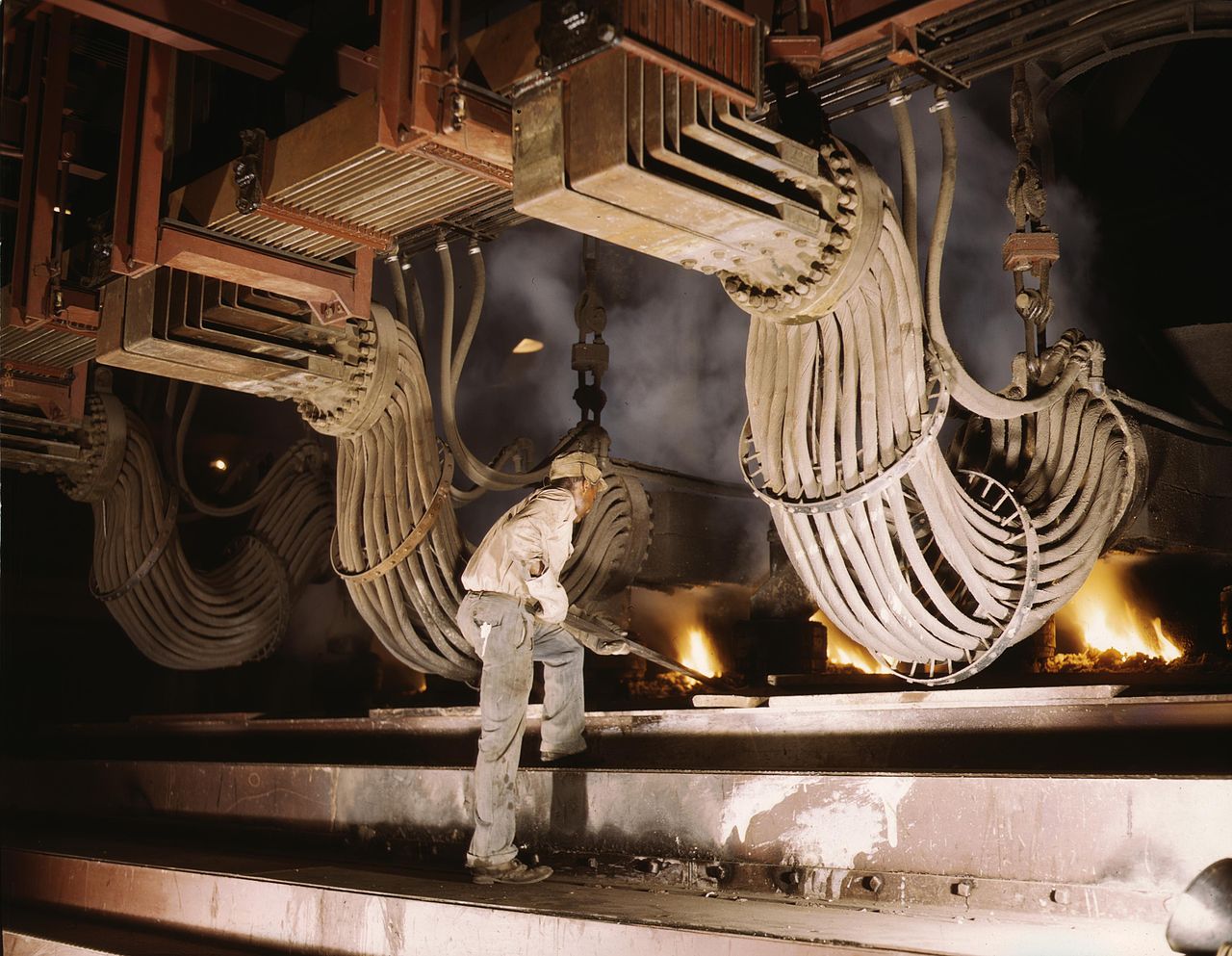
Today, smelting operates on an industrial scale, employing massive furnaces like blast furnaces for iron and reverberatory furnaces for copper. These operations are designed for maximum efficiency and throughput, processing thousands of tons of ore daily. However, this scale brings significant environmental challenges. Smelting is energy-intensive, often relying on fossil fuels, and can release pollutants like sulfur dioxide and greenhouse gases. Modern efforts focus on improving energy efficiency, capturing emissions, and exploring alternative reducing agents to mitigate the environmental impact of large-scale metal production.
⛏️ Metals You Can't Live Without (Thanks to Smelting)
Smelting is the unsung hero behind countless materials we rely on. It's how we get iron and steel, the backbone of construction and manufacturing. Copper, essential for electrical wiring and plumbing, is largely smelted. Precious metals like gold, silver, and platinum are also refined through smelting processes to achieve high purity. Even less common but vital metals like lead (used in batteries) and zinc (for galvanizing) owe their availability to this ancient yet enduring technique.
⚖️ Smelting vs. Other Extraction Methods: A Quick Comparison
While smelting is king for many base metals, it's not the only game in town. Hydrometallurgy, for instance, uses aqueous solutions to leach metals from ores, often at lower temperatures and with fewer gaseous emissions, making it suitable for lower-grade ores or specific metals like gold and copper. Electrowinning and electrorefining use electricity to extract or purify metals, particularly for highly reactive metals like aluminum or for achieving extreme purity in copper. Smelting remains dominant for bulk production due to its efficiency and cost-effectiveness for many common ores, but these alternatives offer distinct advantages in specific contexts.
💡 The Future of Smelting: Innovation and Sustainability
The future of smelting is a race between efficiency and sustainability. Researchers are exploring plasma smelting and induction smelting as more energy-efficient alternatives. The use of hydrogen as a reducing agent, rather than carbon, is gaining traction as a way to eliminate CO2 emissions, though challenges remain in its widespread adoption. Developing better methods for slag utilization and waste heat recovery are also key areas of innovation. The goal is to maintain the essential metal supply while drastically reducing the carbon footprint of the industry.
⚠️ Safety First: Working with Smelting Processes
Working with smelting, whether in an industrial setting or a small-scale experimental setup, demands extreme caution. The high temperatures involved pose severe burn risks, and molten metal can splash unpredictably. Proper personal protective equipment (PPE) is non-negotiable: heat-resistant gloves, face shields, fire-retardant clothing, and safety boots are essential. Ventilation is critical to remove toxic fumes and gases produced during the process. Understanding the specific hazards of the ore and chemicals being used is paramount to preventing accidents and ensuring a safe working environment.
Key Facts
- Year
- c. 3300 BCE
- Origin
- Bronze Age
- Category
- Industrial Processes
- Type
- Process
Frequently Asked Questions
What is the primary reducing agent used in smelting?
The most common reducing agent in smelting is carbon, typically in the form of coke or charcoal. At high temperatures, carbon readily bonds with oxygen, liberating the metal from its ore. Other reducing agents, like hydrogen or specific chemical compounds, are explored in more advanced or specialized smelting techniques, but carbon remains the historical and industrial workhorse.
How does smelting differ from refining?
Smelting is the initial process of extracting a crude metal from its ore by applying heat and a reducing agent. Refining, on the other hand, is a subsequent step to purify the crude metal obtained from smelting. Refining processes, such as electrolysis or further heating with specific chemicals, remove remaining impurities to achieve a higher purity metal suitable for specific applications.
What are the main environmental concerns associated with smelting?
The primary environmental concerns include significant energy consumption, often relying on fossil fuels, which contributes to greenhouse gas emissions. Smelting processes can also release harmful pollutants like sulfur dioxide (SO2), particulate matter, and heavy metal vapors into the atmosphere. Managing the large volumes of slag produced and preventing water contamination from mining and processing are also critical environmental considerations.
Can smelting be done at home?
While small-scale demonstrations of smelting principles are possible with extreme caution and specialized equipment (like a small foundry furnace and appropriate safety gear), attempting to replicate industrial smelting processes at home is highly dangerous and strongly discouraged. The extreme temperatures, toxic fumes, and potential for molten metal splashes pose severe risks of injury or fire.
Which metals are commonly produced by smelting?
Many essential metals are produced through smelting. This includes iron (for steel), copper, lead, zinc, tin, nickel, and precious metals like silver and gold. The specific smelting technique and reducing agent used can vary depending on the ore and the metal being extracted.