
Contents
- 🎵 Origins & History
- ⚙️ How It Works
- 📊 Key Facts & Numbers
- 👥 Key People & Organizations
- 🌍 Cultural Impact & Influence
- ⚡ Current State & Latest Developments
- 🤔 Controversies & Debates
- 🔮 Future Outlook & Predictions
- 💡 Practical Applications
- 📚 Related Topics & Deeper Reading
- Frequently Asked Questions
- References
- Related Topics
Overview
The formal study of sports injury prevention has roots stretching back to the early 20th century, gaining momentum with the professionalization of sports and increased participation rates. Early efforts focused on basic safety guidelines and equipment improvements, often driven by anecdotal evidence and the experiences of coaches and physicians. The mid-20th century saw a more scientific approach emerge, with researchers like Dr. James Andrews at the American Sports Medicine Institute beginning to meticulously document injury patterns and identify risk factors. The establishment of organizations like the National Athletic Trainers' Association in 1950 provided a professional framework for athletic care, including injury management and prevention. The late 20th and early 21st centuries have witnessed an explosion of research, fueled by advancements in biomechanics, imaging technology, and data analytics, leading to sophisticated prevention protocols now standard in many elite sports programs.
⚙️ How It Works
Sports injury prevention operates on several interconnected principles. Biomechanical analysis identifies faulty movement patterns and excessive joint stress, often addressed through neuromuscular training and plyometric exercises designed to improve coordination, balance, and landing mechanics. Physiological conditioning focuses on building robust musculoskeletal systems through progressive overload, adequate rest, and proper nutrition to withstand training demands and reduce susceptibility to overuse injuries like tendinitis and stress fractures. Environmental factors, such as playing surface conditions and equipment integrity, are crucial, as are psychological aspects like athlete fatigue and stress management, which can impair judgment and reaction time. A comprehensive approach often involves pre-participation screenings to identify individual risk factors, followed by tailored intervention programs.
📊 Key Facts & Numbers
Globally, an estimated 40% of individuals engage in regular exercise or organized sports, with over 60% of US high school students participating in at least one sport annually. Sports injuries account for a staggering 15-20% of all annual acute care visits, with incidence rates ranging from 1.79 to 6.36 injuries per 1,000 hours of participation. In the NFL, the average number of games missed per player due to injury has hovered around 2.5 games per season in recent years, costing teams millions in lost productivity. The economic burden of sports injuries in the United States alone is estimated to be over $100 billion annually when considering direct medical costs and lost wages. Furthermore, research published in the British Journal of Sports Medicine in March 2017 highlighted that over 5 million sports-related injuries occur annually in the US, with football and basketball leading in high-risk categories.
👥 Key People & Organizations
Key figures in sports injury prevention include Dr. James Andrews, a renowned orthopedic surgeon and founder of the American Sports Medicine Institute, who has dedicated his career to understanding and treating sports injuries, particularly ACL injuries. Dr. Lyle Micheli, founder of the Boston Children's Sports Medicine Division, has been a pioneer in pediatric sports medicine and injury prevention. Organizations like the American College of Sports Medicine (ACSM) and the National Athletic Trainers' Association (NATA) play pivotal roles in setting standards, conducting research, and educating professionals. Professional leagues like the NFL and NBA have invested heavily in sports science departments and injury surveillance systems, often collaborating with research institutions like the University of Pittsburgh Medical Center (UPMC).
🌍 Cultural Impact & Influence
The cultural impact of sports injury prevention is profound, shifting the perception of athletes from invulnerable performers to individuals requiring careful management and protection. It has elevated the status of sports medicine professionals, transforming them from sideline caretakers to integral members of performance teams. The emphasis on prevention has also influenced equipment design, training methodologies, and even rule changes in various sports, aiming to create safer environments. The widespread adoption of pre-participation screening protocols and specialized conditioning programs in youth sports, while sometimes debated, reflects a cultural acknowledgment of the risks involved. This focus has also spurred a growing market for wearable technology and data analytics aimed at monitoring athlete load and predicting injury risk.
⚡ Current State & Latest Developments
The current landscape of sports injury prevention is characterized by an increasing reliance on data analytics and artificial intelligence to process vast amounts of athlete performance and physiological data. Wearable sensors, such as WHOOP bands and Catapult Sports trackers, are becoming ubiquitous, providing real-time insights into metrics like heart rate variability, sleep quality, and movement load. There's a growing emphasis on personalized prevention strategies, moving away from one-size-fits-all programs towards individualized plans based on an athlete's specific biomechanics, injury history, and genetic predispositions. The concussion protocol in contact sports continues to be a major area of focus, with ongoing research into better detection, management, and long-term effects. The rise of esports also presents new challenges and research opportunities in preventing repetitive strain injuries and eye strain.
🤔 Controversies & Debates
A significant controversy in sports injury prevention revolves around the effectiveness and necessity of certain popular training programs, such as CrossFit, which some critics argue have a higher inherent risk of injury due to their intensity and complex movements. The debate over the optimal balance between aggressive training for peak performance and conservative approaches to minimize injury risk is ongoing. Furthermore, the ethical implications of using predictive analytics to potentially sideline athletes based on perceived injury risk are being discussed, raising questions about athlete autonomy and career longevity. The financial incentives for athletes and teams to push boundaries, even with known risks, create a persistent tension between performance goals and safety imperatives. The long-term effects of repeated sub-concussive blows in sports like American football remain a subject of intense scientific and public debate.
🔮 Future Outlook & Predictions
The future of sports injury prevention is poised for significant advancements driven by biotechnology and sophisticated data modeling. Expect to see more advanced biomarker analysis for early detection of tissue damage and inflammation, potentially through non-invasive methods. Virtual reality and augmented reality may play larger roles in training athletes on proper technique and safe movement patterns in simulated environments. Personalized nutrition and gene editing technologies could eventually be integrated into prevention strategies, though ethical considerations will be paramount. The development of smarter protective equipment, capable of dynamically responding to impact forces, is also on the horizon. As participation in sports continues to grow globally, the demand for evidence-based, accessible prevention strategies will only intensify.
💡 Practical Applications
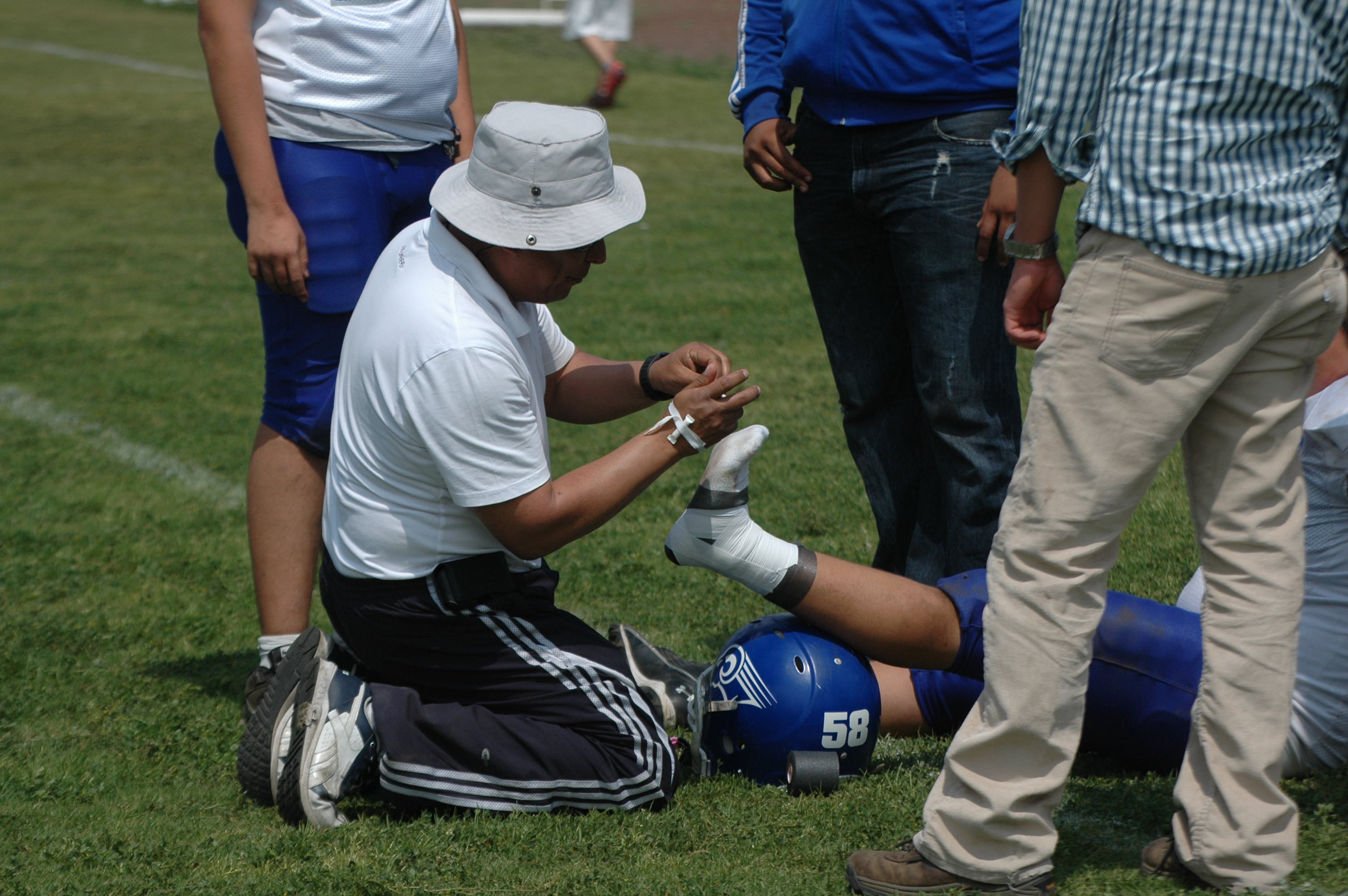
Practical applications of sports injury prevention are widespread, ranging from youth sports leagues to professional athletic organizations. Pre-participation physical examinations, often conducted by physicians or physical therapists, are a cornerstone, identifying underlying conditions that could predispose an athlete to injury. Strength and conditioning coaches implement specialized warm-up and cool-down routines, along with targeted exercises to address identified weaknesses. Athletic trainers are crucial on the sidelines, managing acute injuries and overseeing rehabilitation. In professional settings, sophisticated motion capture technology is used to analyze biomechanics, while load management software helps coaches monitor training volume and intensity to prevent overtraining. Return-to-play protocols, guided by medical professionals, ensure athletes are fully recovered before resuming competition.
Key Facts
- Year
- Ongoing
- Origin
- Global
- Category
- science
- Type
- concept
Frequently Asked Questions
What are the most common types of sports injuries?
The most common sports injuries are sprains (ligament damage), strains (muscle or tendon damage), fractures (broken bones), dislocations (joints out of place), and concussions (traumatic brain injuries). Overuse injuries, such as tendinitis and shin splints, are also prevalent, often resulting from repetitive stress without adequate recovery. These injuries can affect athletes across all sports, from soccer and basketball to running and weightlifting, and are a primary focus for prevention strategies developed by organizations like the ACSM.
How can athletes prevent common sports injuries?
Effective prevention involves a multi-faceted approach. This includes proper warm-up and cool-down routines, neuromuscular training to improve balance and coordination, and strength training to build resilience. Athletes should also ensure adequate rest and recovery, proper nutrition, and use appropriate protective gear, such as helmets and mouthguards. Listening to one's body and avoiding overtraining, as advised by athletic trainers and coaches, are crucial for mitigating risk.
What role does technology play in sports injury prevention?
Technology plays an increasingly vital role. Wearable sensors like WHOOP bands and Catapult Sports devices monitor physiological data such as heart rate, sleep quality, and movement load, allowing for better load management. Motion capture systems analyze biomechanics to identify faulty movement patterns. AI and machine learning algorithms are used to predict injury risk based on this data. Advanced materials are also being developed for protective equipment, aiming to absorb impact more effectively.
Are youth sports more prone to injuries than professional sports?
Youth sports can present unique injury risks due to developing bodies, less refined motor skills, and sometimes inadequate coaching or supervision. While professional athletes experience high-impact injuries due to the intensity of their competition, youth athletes are particularly vulnerable to overuse injuries and growth-related conditions like apophysitis. Organizations like the American Academy of Pediatrics advocate for age-appropriate training and competition rules to safeguard young athletes. However, the sheer volume of participation and the intensity of professional play mean that both groups face significant injury burdens.
What is the difference between acute and overuse injuries?
Acute injuries occur suddenly and are typically the result of a specific traumatic event, such as a sprained ankle during a basketball game or a fractured arm from a fall. Overuse injuries, conversely, develop gradually over time due to repetitive stress on a particular body part, often from engaging in the same motion repeatedly without sufficient rest. Examples include tennis elbow, runner's knee, and rotator cuff tendinitis. Prevention strategies for acute injuries often focus on protective equipment and proper technique, while overuse injury prevention emphasizes load management, recovery, and cross-training.
How can an athlete safely return to play after an injury?
Returning to play after an injury requires a structured, phased approach guided by medical professionals, typically physical therapists and athletic trainers. The process begins with restoring range of motion and strength, progressing to sport-specific drills and functional movements. Athletes must demonstrate full strength, flexibility, and pain-free movement before advancing. A concussion protocol is particularly stringent, requiring clearance from a neurologist or sports medicine physician. Rushing back too soon significantly increases the risk of re-injury, which can have long-term consequences for an athlete's career.
What are the long-term implications of sports injuries?
Long-term implications can be significant, ranging from chronic pain and reduced mobility to an increased risk of developing degenerative conditions like osteoarthritis later in life. Repeated injuries, particularly to the knee or ACL, can lead to early-onset arthritis. Traumatic brain injuries, such as CTE, have been linked to long-term neurological issues, including cognitive decline and mood disorders, a growing concern in contact sports like American football. Effective prevention and rehabilitation are critical to minimizing these long-term effects and ensuring athlete well-being beyond their playing careers.