
Contents
- 🎵 Origins & History
- ⚙️ How It Works
- 📊 Key Facts & Numbers
- 👥 Key People & Organizations
- 🌍 Cultural Impact & Influence
- ⚡ Current State & Latest Developments
- 🤔 Controversies & Debates
- 🔮 Future Outlook & Predictions
- 💡 Practical Applications
- 📚 Related Topics & Deeper Reading
- Frequently Asked Questions
- References
- Related Topics
Overview
The genesis of tea culture is inextricably linked to ancient China, where legend attributes its discovery to Emperor Shen Nong around 2737 BCE. Initially valued for its medicinal properties, tea gradually transitioned into a daily beverage, with early cultivation and brewing techniques documented during the Han Dynasty. By the Tang Dynasty (618-907 CE), tea had become a sophisticated art form, detailed in Lu Yu's seminal work, The Classic of Tea (Cha Jing). This period saw the development of distinct brewing methods and the establishment of tea houses as social hubs. The practice spread to Korea and Japan during the Tang Dynasty and Song Dynasty respectively, where it evolved into highly ritualized ceremonies like the Japanese tea ceremony (Chanoyu) and the Korean tea ceremony (Darye). European adoption began in the 17th century, primarily through Portuguese and Dutch traders, with Britain eventually championing its own distinct traditions, such as afternoon tea, which profoundly influenced its former colonies like India and Hong Kong.
⚙️ How It Works
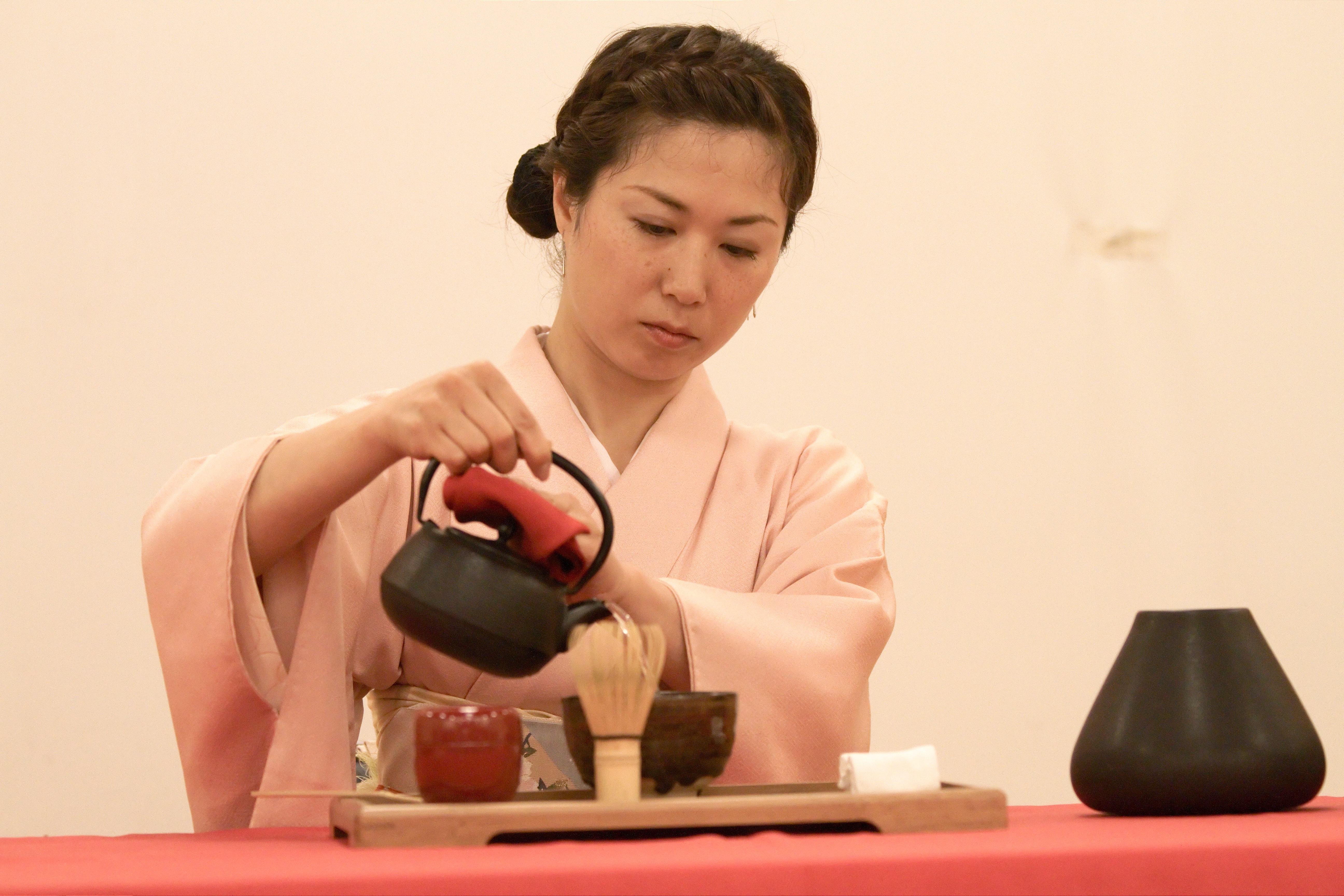
At its core, tea culture revolves around the transformation of dried tea leaves (from the Camellia sinensis plant) into a potable beverage through infusion in hot water. The process varies dramatically by region and tradition. In China, methods like Gongfu Cha emphasize precise control over water temperature, steeping time, and the use of specialized tea ware to extract nuanced flavors from small quantities of tea. Japanese tea ceremonies often involve whisking powdered matcha green tea with a bamboo whisk (chasen) in a bowl (chawan). In contrast, Tibetan butter tea is a hearty concoction brewed with yak butter and salt, providing sustenance in harsh climates. The social aspect is paramount; tea is brewed and served in homes, dedicated tea houses, during formal ceremonies, or as part of everyday hospitality, fostering conversation and community.
📊 Key Facts & Numbers
The global tea market is a colossal enterprise, valued at approximately $200 billion USD as of 2023, with projections to reach over $300 billion by 2030. Asia accounts for the largest share of global tea production and consumption, with China producing over 2.4 million metric tons annually, followed by India at around 1.3 million metric tons. The United Kingdom consumes an average of 1.8 kilograms of tea per capita each year, a figure surpassed by countries like Ireland (2.2 kg) and Turkey (3.16 kg). The United States, often perceived as a coffee-centric nation, still imports over 100,000 tons of tea annually, with iced tea being a particularly popular format, accounting for roughly 80% of all tea consumed. Specialty teas, including oolong, white tea, and Pu-erh tea, represent a growing segment, with some rare varieties fetching prices exceeding $1,000 per kilogram.
👥 Key People & Organizations
While no single individual can claim dominion over tea culture, historical figures like Lu Yu, the 8th-century Chinese scholar who authored The Classic of Tea, laid foundational principles. In Japan, Sen no Rikyū (1522-1591) is revered as the master who codified the principles of wabi-cha, the aesthetic of the Japanese tea ceremony. Modern proponents include figures like Sir Thomas Lipton, who revolutionized the global tea trade in the late 19th century by establishing his own tea estates and distribution network, making tea accessible to the masses. Organizations such as the World Tea Organization and various national tea associations work to promote tea culture, set standards, and facilitate trade. The Tea Association of the USA and the UK Tea & Infusions Association are key players in their respective regions, advocating for the industry and educating consumers.
🌍 Cultural Impact & Influence
Tea culture has profoundly shaped social interactions, artistic expression, and even economic policies worldwide. In East Asia, the tea ceremony is a cornerstone of etiquette and mindfulness, influencing Zen Buddhism and promoting harmony. The British Empire's expansion of tea cultivation, particularly in India and Sri Lanka, not only created vast economic opportunities but also led to significant social and environmental changes, including the development of the Assam and Ceylon regions. Tea houses have historically served as vital social and political spaces, from the coffee houses of 17th-century London (which often served tea) to contemporary tea lounges that foster community. The aesthetic associated with tea, from delicate porcelain cups to rustic stoneware teapots, has inspired countless artists and designers, influencing ceramics, painting, and literature.
⚡ Current State & Latest Developments
The contemporary tea landscape is dynamic, marked by a growing interest in single-origin teas, artisanal brewing methods, and health-conscious consumers seeking the purported benefits of green tea and herbal infusions. The rise of specialty tea shops and online retailers has democratized access to a wider variety of teas, moving beyond traditional blends. Innovations in brewing technology, such as automated tea makers and specialized kettles, are also gaining traction. Furthermore, there's a resurgence of interest in traditional tea ceremonies, with many seeking to reconnect with these practices as a form of mindfulness and cultural preservation. The global tea industry is also grappling with issues of sustainability, ethical sourcing, and fair labor practices, leading to increased demand for Fair Trade certified teas and transparent supply chains.
🤔 Controversies & Debates
One of the most persistent debates in tea culture centers on authenticity and tradition versus innovation. Critics argue that the commercialization and Westernization of tea, particularly the proliferation of flavored teas and rapid brewing methods, dilute the rich heritage of ancient practices. Conversely, proponents of innovation contend that adapting tea to modern tastes and lifestyles is essential for its survival and continued relevance, allowing new generations to discover and appreciate the beverage. Another point of contention involves the health claims associated with various teas; while many possess documented antioxidants and beneficial compounds, the extent of their therapeutic effects is often exaggerated in marketing, leading to scrutiny from regulatory bodies. The sourcing of tea also raises ethical questions, with concerns about labor conditions on some large plantations in Asia and Africa prompting calls for greater transparency and fair wages.
🔮 Future Outlook & Predictions
The future of tea culture appears poised for continued diversification and innovation. We can anticipate a greater emphasis on sustainable and organic tea cultivation, driven by consumer demand for environmentally responsible products. The exploration of novel tea varietals and fermentation techniques, perhaps inspired by the success of craft beverages like craft beer and specialty coffee, is likely to expand the palate of tea enthusiasts. Digital platforms will play an increasingly significant role, facilitating direct-to-consumer sales, virtual tea tastings, and online communities for sharing knowledge and experiences. Furthermore, as global travel and cultural exchange continue, we may see the emergence of hybrid tea traditions, blending elements from disparate cultures to create entirely new rituals and flavor profiles. The integration of tea into wellness practices, beyond simple consumption, is also a strong possibility.
💡 Practical Applications
Tea's practical applications extend far beyond simple refreshment. In traditional Chinese medicine and other ancient healing systems, specific teas are prescribed for various ailments, from digestive issues to stress relief. The chemical compounds in tea, such as theanine and caffeine, are studied for their effects on cognitive function and mood. Beyond health, tea plays a crucial role in hospitality across cultures; offering tea is a universal gesture of welcome and respect. In the culinary world, tea is increasingly used as an ingredient in desserts, sauces, and marinades, imparting unique flavors and aromas. Furthermore, the cultivation and processing of tea provide livelihoods for millions of people globally, making it a significant economic driver in many developing nations, particularly in Asia and Africa.
Key Facts
- Year
- c. 2737 BCE
- Origin
- China
- Category
- culture
- Type
- concept
Frequently Asked Questions
What is the oldest known tea culture?
The oldest known tea culture originates in ancient China, with legends attributing its discovery to Emperor Shen Nong around 2737 BCE. Initially used for medicinal purposes, tea gradually evolved into a daily beverage and a sophisticated art form, particularly during the Tang Dynasty (618-907 CE), as detailed in Lu Yu's The Classic of Tea. This foundational period established many of the brewing techniques and social customs that would later spread across Asia and the world.
How did tea culture spread globally?
Tea culture spread globally through a combination of trade, exploration, and colonialism. Portuguese and Dutch traders introduced tea to Europe in the 17th century, with Britain eventually becoming a major proponent, developing its own traditions like afternoon tea. The British Empire's expansion led to the establishment of vast tea plantations in its colonies, including India and Sri Lanka, integrating tea into local cultures and economies. Trade routes like the Silk Road also facilitated its earlier diffusion across Asia.
What are the key differences between major tea ceremonies?
Major tea ceremonies differ significantly in their philosophy and execution. The Japanese tea ceremony (Chanoyu) emphasizes harmony, respect, purity, and tranquility, often involving the whisking of powdered matcha green tea in a highly structured and meditative ritual. Chinese tea culture, particularly the Gongfu Cha method, focuses on appreciating the nuanced flavors of various teas through precise control of water temperature, steeping time, and the use of specialized tea ware. Tibetan butter tea, by contrast, is a robust, salty beverage brewed with yak butter, designed for sustenance in high-altitude environments.
Why is tea culture important in modern society?
Tea culture remains important in modern society as a facilitator of social connection, mindfulness, and cultural identity. In an increasingly fast-paced world, the ritual of preparing and sharing tea offers moments of pause and reflection, fostering interpersonal relationships in both private gatherings and public tea houses. It serves as a living link to history and tradition, preserving ancient practices while also adapting to contemporary tastes. Furthermore, the global tea industry provides economic livelihoods for millions and continues to be a significant cultural export for many nations.
Are there controversies surrounding tea culture?
Yes, several controversies surround tea culture. Debates persist regarding the balance between preserving traditional practices and embracing modern innovations, with some critics arguing that commercialization dilutes authenticity. Ethical sourcing and labor conditions on tea plantations, particularly in Asia and Africa, are significant concerns, leading to calls for greater transparency and fair wages. Additionally, the health benefits of tea are sometimes exaggerated in marketing, prompting scrutiny over unsubstantiated claims and the potential for misleading consumers.
How can I start exploring tea culture?
To begin exploring tea culture, start by sampling different types of tea, such as green tea, black tea, oolong tea, and herbal infusions, from reputable sources. Visit local tea shops or cafes that specialize in tea to experience different brewing methods and learn from knowledgeable staff. Consider attending a traditional tea ceremony if available in your area, or research and practice simple brewing techniques at home, paying attention to water temperature and steeping times. Reading books like Lu Yu's The Classic of Tea or exploring online resources dedicated to tea can provide historical and cultural context.
What is the future outlook for tea culture?
The future of tea culture is likely to be characterized by increased emphasis on sustainability, ethical sourcing, and the exploration of unique, single-origin teas. We can expect continued innovation in brewing technologies and the development of new flavor profiles, potentially influenced by the craft beverage movement. Digital platforms will play a larger role in connecting consumers with producers and fostering online tea communities. Furthermore, as global cultural exchange grows, hybrid tea traditions blending elements from different regions may emerge, alongside a deeper integration of tea into wellness and mindfulness practices.