
Contents
Overview
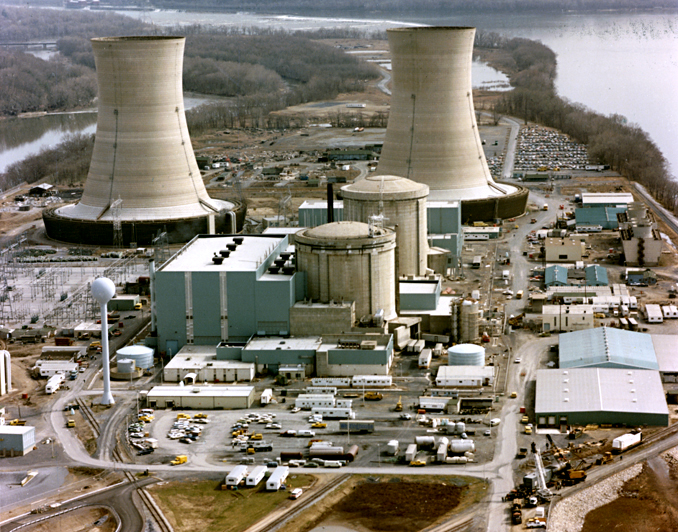
The genesis of the Three Mile Island accident can be traced to the burgeoning era of nuclear power expansion in the United States during the 1960s and 1970s. The accident itself was triggered by a series of failures, starting with a loss of feedwater to the secondary cooling system. This was compounded by a stuck-open pilot-operated relief valve (PORV) in the primary system, a critical component designed to release excess pressure. Compounding these mechanical issues were human factors, including inadequate training for operators and a lack of clear procedures for handling such complex emergencies. The initial event occurred on March 28, 1979, initiating a crisis that would forever alter the perception of nuclear safety.
⚙️ How It Works
The core of the Three Mile Island Unit 2 reactor experienced a partial meltdown due to a loss of cooling water. The primary cooling system, designed to circulate water through the reactor core and remove heat, was compromised. A stuck-open PORV allowed a significant amount of coolant to escape the system, leading to a decrease in water levels within the reactor vessel. While emergency core cooling systems were activated, operators, misinterpreting instrument readings and lacking sufficient training on the specific failure mode, failed to adequately restore coolant flow. This led to the overheating and eventual melting of approximately 45% of the reactor core's fuel assemblies. The containment building, a robust structure designed to prevent the release of radioactive materials, largely held, but some radioactive gases and iodine were released into the atmosphere through emergency venting procedures.
📊 Key Facts & Numbers
Despite the releases, official studies found no statistically significant increase in cancer rates or other health problems attributable to the accident among the surrounding population. Unit 2 remains permanently shut down. The accident's rating on the International Nuclear Event Scale was a Level 5, signifying an "Accident with Wider Consequences."
👥 Key People & Organizations
Key figures in the Three Mile Island accident include John Kemeny, chair of the President's Commission on the Accident at Three Mile Island, whose report offered critical analyses of the event and recommendations for regulatory reform. Henry W. Kendall, a Nobel laureate physicist and prominent critic of nuclear power, played a significant role in raising public awareness and advocating for stricter safety measures. Joseph Hendrie, then chairman of the Nuclear Regulatory Commission (NRC), faced immense pressure to manage the crisis and implement reforms. The Metropolitan Edison Company (Met-Ed), the plant's owner and operator, bore direct responsibility for the facility's management and the accident's immediate aftermath. The Atomic Energy Commission (AEC), which preceded the NRC, also faced scrutiny for its dual role in promoting and regulating nuclear power.
🌍 Cultural Impact & Influence
The cultural impact of the Three Mile Island accident was profound and far-reaching. It ignited widespread public fear and distrust of nuclear technology, significantly dampening enthusiasm for new nuclear power plant construction in the United States. The event served as a potent symbol for the anti-nuclear movement, fueling protests and advocacy efforts globally. Films like The China Syndrome, released just days before the accident, gained a chilling new relevance, amplifying public anxieties. The incident also spurred a significant increase in public participation in environmental and safety regulatory processes.
⚡ Current State & Latest Developments
Following the accident, Three Mile Island Unit 2 was permanently decommissioned, and its defueling and decontamination process was one of the most complex and expensive in nuclear history, concluding in 1993. Unit 1, which was not involved in the accident, was eventually restarted in 1985 after extensive safety upgrades and regulatory reviews. However, Unit 1 ceased operations in September 2019, marking the end of commercial nuclear power generation at the site. The long-term monitoring of the site and the surrounding environment continues, with ongoing studies by entities like the Pennsylvania Department of Environmental Protection. The legacy of the accident continues to inform safety protocols and regulatory frameworks for nuclear facilities worldwide, even as discussions around new nuclear technologies gain traction.
🤔 Controversies & Debates
A central controversy surrounding the Three Mile Island accident revolves around the extent of radioactive release and its potential health impacts. While official reports from the Nuclear Regulatory Commission (NRC) and the Centers for Disease Control and Prevention (CDC) concluded no significant health effects, some independent studies and local residents have alleged increased cancer rates and other health issues in the decades following the event. The adequacy of operator training and the NRC's oversight prior to the accident remain subjects of debate, with critics arguing that regulatory capture and a culture of complacency contributed to the near-disaster. The cost and duration of the cleanup also sparked controversy, highlighting the immense financial burden associated with nuclear accidents and the challenges of long-term radioactive waste management.
🔮 Future Outlook & Predictions
The future outlook for nuclear power in the United States, while still influenced by the shadow of Three Mile Island, is evolving. The accident spurred significant advancements in nuclear safety technology and regulatory oversight, leading to a generation of more robust reactor designs. As the world grapples with climate change and the need for low-carbon energy sources, there is renewed interest in nuclear power, including advanced reactor designs and small modular reactors (SMRs). However, the public perception shaped by Three Mile Island, coupled with concerns about waste disposal and security, continues to be a significant hurdle. Future developments will likely hinge on demonstrating enhanced safety, economic competitiveness, and effective long-term waste solutions to regain broad public and political acceptance, potentially leading to a resurgence of nuclear energy as a key component of a decarbonized grid.
💡 Practical Applications
The primary practical application stemming from the Three Mile Island accident is the dramatic overhaul of nuclear safety regulations and emergency preparedness protocols. The accident led to the establishment of the Institute of Nuclear Power Operations (INPO) by the nuclear industry to improve safety performance and share best practices. It also prompted the NRC to implement more stringent training requirements for nuclear operators, enhance its oversight capabilities, and develop more robust emergency response plans for nuclear facilities. The lessons learned from the accident have been incorporated into the design and operation of subsequent nuclear power plants globally, influencing everything from control room design to accident management procedures. The acc
Key Facts
- Category
- history
- Type
- topic