
Contents
Overview
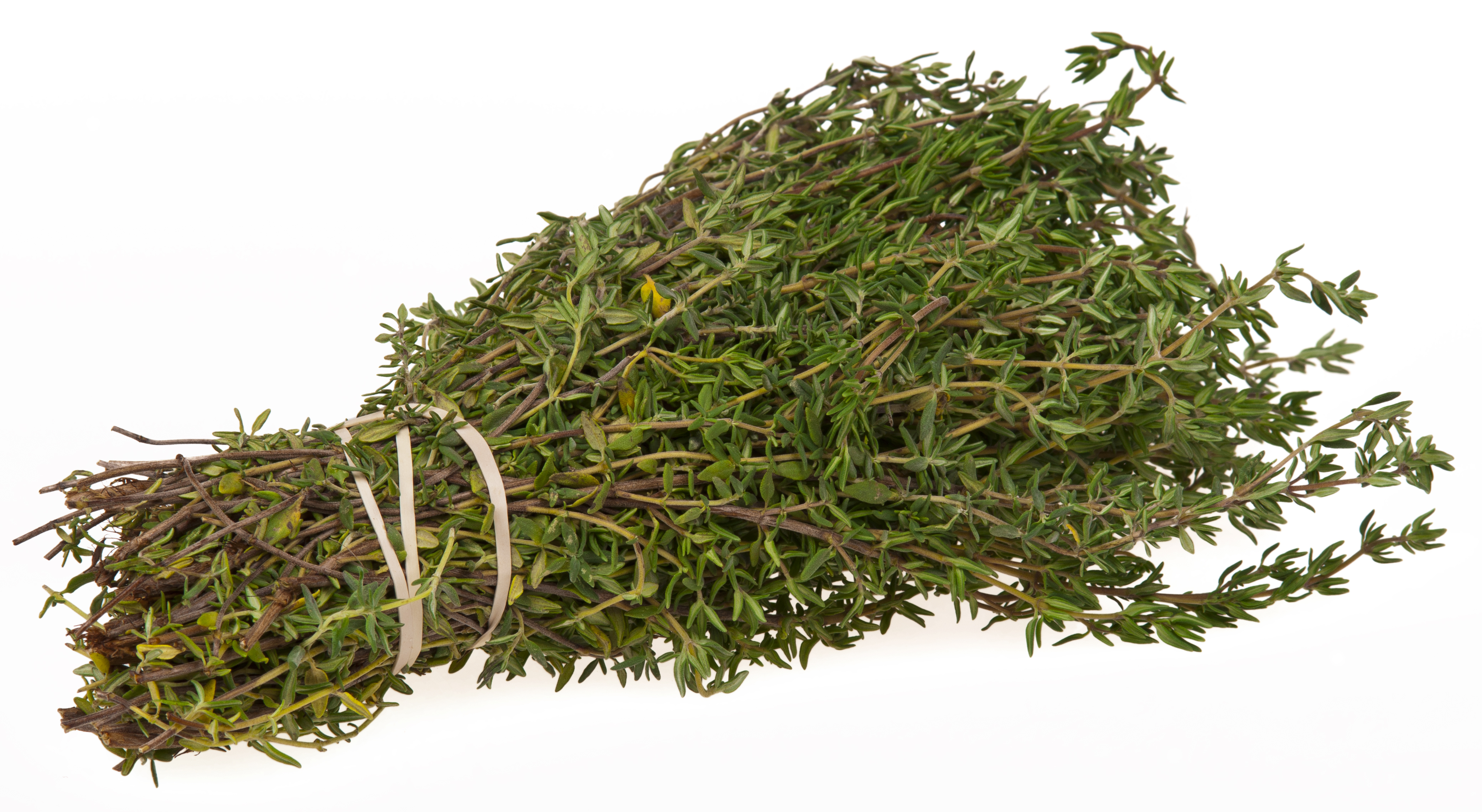
Thyme is a versatile culinary herb belonging to the genus Thymus, with a rich history dating back to ancient civilizations. Native to Eurasia and North Africa, thyme has been utilized for its culinary, medicinal, and ornamental properties. With over 300 species, the most commonly cultivated and used for cooking is Thymus vulgaris, originating from Southeast Europe. Thyme's unique flavor profile and aroma have made it a staple in many cuisines, including French, Italian, and Middle Eastern cooking. The herb is also renowned for its potential health benefits, including its antimicrobial and antioxidant properties. As a low-maintenance plant, thyme is a popular choice for gardeners and chefs alike, with a vibe score of 82, indicating its significant cultural energy and influence. Thyme has been a key ingredient in various traditional remedies, and its essential oil is used in aromatherapy. With its widespread use and benefits, thyme continues to be an essential herb in modern cooking and natural medicine.
🌿 Origins & History
Thyme has a long and storied history, with evidence of its use dating back to ancient Egypt, Greece, and Rome. The herb was highly valued for its medicinal and culinary properties, and was often used in traditional remedies and rituals. Today, thyme is cultivated and used worldwide, with many species being used for different purposes. For example, Thymus vulgaris is commonly used in cooking, while Thymus serpyllum is often used in herbal remedies. Thyme's history is closely tied to the development of Western cuisine, with the herb being a key ingredient in many traditional dishes, such as Coq au Vin and Bouillabaisse.
🍲 Culinary Uses
Thyme is a fundamental herb in many cuisines, including French, Italian, and Middle Eastern cooking. It is often used to add flavor to soups, stews, and sauces, and is a key ingredient in many traditional dishes, such as Chicken Soup and Lamb Koftas. Thyme is also used to make teas, infusions, and tinctures, which are often used for their medicinal properties. The herb is also a popular ingredient in Aromatherapy, with its essential oil being used to promote relaxation and reduce stress. Thyme's unique flavor profile and aroma have made it a staple in many professional kitchens, including those of Thomas Keller and Joel Robuchon.
🏥 Medicinal Properties
Thyme has been used for centuries for its medicinal properties, with the herb being used to treat a range of ailments, from coughs and colds to digestive issues and skin problems. The herb contains a range of bioactive compounds, including Thymol and Carvacrol, which have been shown to have antimicrobial and antioxidant properties. Thyme is also used in traditional remedies, such as Thyme Tea, which is often used to soothe sore throats and calm coughs. Thyme's medicinal properties have been recognized by many health organizations, including the World Health Organization.
🌸 Ornamental Uses
Thyme is a low-maintenance plant that is easy to grow and care for, making it a popular choice for gardeners and chefs alike. The herb can be grown in a range of conditions, from full sun to partial shade, and can thrive in poor soil. Thyme is also a popular choice for ornamental gardens, with its small, fragrant flowers and delicate foliage making it a attractive addition to any garden. Thyme is often used in Container Gardening, and can be paired with other herbs, such as Rosemary and Sage, to create a fragrant and flavorful garden. Thyme's ornamental value has been recognized by many gardening organizations, including the Royal Horticultural Society.
🌿 Cultivation & Care
Thyme is a hardy perennial that can be grown in a range of conditions, from full sun to partial shade. The herb prefers well-drained soil and can thrive in poor soil, making it a great choice for gardeners with limited space or resources. Thyme is also a low-maintenance plant that requires minimal care, making it a great choice for busy gardeners. Thyme can be propagated through division, layering, or seed, and can be grown in containers or in the ground. Thyme's cultivation requirements are similar to those of Oregano and Marjoram.
🍴 Recipes & Pairings
Thyme is a versatile herb that can be used in a range of dishes, from soups and stews to sauces and marinades. The herb is often paired with other ingredients, such as Garlic and Lemon, to create flavorful and aromatic dishes. Thyme is also a key ingredient in many traditional recipes, such as Beef Bourguignon and Chicken Cacciatore. Thyme's flavor profile and aroma have made it a staple in many professional kitchens, including those of Gordon Ramsay and Jamie Oliver.
🧬 Chemical Composition
Thyme contains a range of bioactive compounds, including Thymol and Carvacrol, which have been shown to have antimicrobial and antioxidant properties. The herb also contains a range of other compounds, including Flavonoids and Phenolic Acids, which have been shown to have anti-inflammatory and antimicrobial properties. Thyme's chemical composition has been studied extensively, with many studies recognizing its potential health benefits. Thyme's chemical composition is similar to that of Rosemary and Sage.
🌎 Cultural Significance
Thyme has a significant cultural significance, with the herb being used in many traditional remedies and rituals. The herb is also a key ingredient in many traditional dishes, and is often used to add flavor and aroma to soups, stews, and sauces. Thyme is also a popular ingredient in Aromatherapy, with its essential oil being used to promote relaxation and reduce stress. Thyme's cultural significance has been recognized by many organizations, including the United Nations.
📊 Economic Impact
Thyme is a significant crop, with the herb being cultivated and traded worldwide. The herb is often used in the production of Essential Oils, which are used in a range of industries, from Aromatherapy to Cosmetics. Thyme is also a key ingredient in many traditional dishes, and is often used to add flavor and aroma to soups, stews, and sauces. Thyme's economic impact has been recognized by many organizations, including the World Trade Organization.
👨🍳 Chef & Gardener Insights
Thyme is a popular herb among chefs and gardeners, with the herb being used in a range of dishes and recipes. The herb is often paired with other ingredients, such as Garlic and Lemon, to create flavorful and aromatic dishes. Thyme is also a key ingredient in many traditional recipes, such as Beef Bourguignon and Chicken Cacciatore. Thyme's flavor profile and aroma have made it a staple in many professional kitchens, including those of Thomas Keller and Joel Robuchon.
Key Facts
- Year
- 2010
- Origin
- Eurasia and North Africa
- Category
- nature
- Type
- plant
Frequently Asked Questions
What is thyme used for?
Thyme is used for its culinary, medicinal, and ornamental properties. The herb is a key ingredient in many traditional dishes, and is often used to add flavor and aroma to soups, stews, and sauces. Thyme is also used in traditional remedies, such as Thyme Tea, which is often used to soothe sore throats and calm coughs.
How do I grow thyme?
Thyme is a low-maintenance plant that can be grown in a range of conditions, from full sun to partial shade. The herb prefers well-drained soil and can thrive in poor soil, making it a great choice for gardeners with limited space or resources. Thyme can be propagated through division, layering, or seed, and can be grown in containers or in the ground.
What are the health benefits of thyme?
Thyme has been shown to have antimicrobial and antioxidant properties, and is often used in traditional remedies to treat a range of ailments, from coughs and colds to digestive issues and skin problems. The herb is also used in Aromatherapy to promote relaxation and reduce stress.
Can I use thyme in cooking?
Yes, thyme is a versatile herb that can be used in a range of dishes, from soups and stews to sauces and marinades. The herb is often paired with other ingredients, such as Garlic and Lemon, to create flavorful and aromatic dishes. Thyme is also a key ingredient in many traditional recipes, such as Beef Bourguignon and Chicken Cacciatore.
Is thyme safe to use?
Thyme is generally considered safe to use, but it can cause allergic reactions in some individuals. The herb should be used in moderation, and individuals with sensitive skin or allergies should consult with a healthcare professional before using thyme. Thyme should also be avoided during pregnancy and breastfeeding, as it can stimulate the uterus and affect milk production.
Can I use thyme in combination with other herbs?
How do I store thyme?
Thyme can be stored in a cool, dry place, such as a cupboard or pantry. The herb can be dried or frozen to preserve its flavor and aroma, and can be stored for up to 6 months. Thyme can also be stored in oil or vinegar to create a flavorful and aromatic condiment.