
Contents
- 🚁 What Exactly Are UAVs?
- 🎯 Who Uses Drones and Why?
- ⚖️ The Regulatory Maze: Navigating the Skies
- 💰 Cost of Entry: From Hobbyist to Professional
- 🆚 UAVs vs. Traditional Aircraft: A Comparative Look
- 🛠️ Key Components and How They Work
- 📈 The Future of Flight: Where We're Headed
- ⚠️ Risks and Considerations for Operators
- Frequently Asked Questions
- Related Topics
Overview
Unmanned Aerial Vehicles (UAVs), commonly known as drones, have rapidly evolved from niche military applications and hobbyist gadgets into indispensable tools across a staggering array of industries. Their ability to provide aerial perspectives, perform dangerous tasks, and gather data efficiently has reshaped everything from agriculture and infrastructure inspection to filmmaking and public safety. The market, projected to reach hundreds of billions of dollars by the end of the decade, is driven by advancements in AI, sensor technology, and battery life, while simultaneously grappling with complex regulatory frameworks and ethical considerations regarding privacy and security. Understanding the diverse applications and the accelerating pace of development is crucial for anyone navigating this dynamic technological frontier.
🚁 What Exactly Are UAVs?
Unmanned Aerial Vehicles (UAVs), more commonly known as drones, are aircraft without a human pilot aboard. Their flight is either controlled autonomously by onboard computers or by remote control from a pilot on the ground. The technology has exploded from niche military applications to widespread civilian use, encompassing everything from aerial photography and package delivery to agricultural monitoring and infrastructure inspection. The global UAV market, valued at over $30 billion in 2022, is projected to reach $100 billion by 2028, underscoring their rapid integration into various sectors. Understanding the fundamental distinctions between fixed-wing and multi-rotor designs is crucial for selecting the right platform for a given task.
🎯 Who Uses Drones and Why?
The user base for UAVs is incredibly diverse. Hobbyists and recreational flyers enjoy them for aerial photography and videography, often sharing their stunning aerial perspectives on platforms like YouTube and Instagram. Commercial enterprises leverage drones for efficiency and safety gains: real estate agents use them for property showcases, farmers for precision agriculture (monitoring crop health and optimizing irrigation), and construction companies for site surveys and progress tracking. Public safety agencies, including police and fire departments, employ them for search and rescue operations, accident reconstruction, and situational awareness during emergencies. Even filmmakers have embraced UAVs for dynamic, previously unattainable shots, as seen in productions like the Downton Abbey movie.
💰 Cost of Entry: From Hobbyist to Professional
The cost of acquiring a UAV varies dramatically. Entry-level recreational drones, capable of decent aerial photography, can be purchased for as little as $300-$500, such as models from DJI's Mini series. Mid-range professional drones, offering enhanced camera capabilities, longer flight times, and greater durability, typically range from $1,000 to $5,000. High-end industrial or specialized drones, designed for complex tasks like surveying, mapping, or heavy payload delivery, can cost tens of thousands of dollars, sometimes exceeding $50,000. Beyond the initial purchase, consider ongoing costs for batteries, maintenance, software subscriptions, and potential insurance.
🆚 UAVs vs. Traditional Aircraft: A Comparative Look
Compared to traditional manned aircraft, UAVs offer significant advantages in cost-effectiveness and accessibility. For tasks like aerial surveying or infrastructure inspection, a drone can complete the job in a fraction of the time and at a fraction of the cost of deploying a helicopter or airplane. They can also operate in environments too dangerous or inaccessible for human pilots, such as inspecting active volcanoes or navigating confined industrial spaces. However, UAVs generally have shorter flight ranges and payload capacities than manned aircraft. The lack of an onboard pilot also means that complex decision-making in unexpected situations relies heavily on sophisticated programming and sensor feedback, a contrast to the adaptability of human judgment.
🛠️ Key Components and How They Work
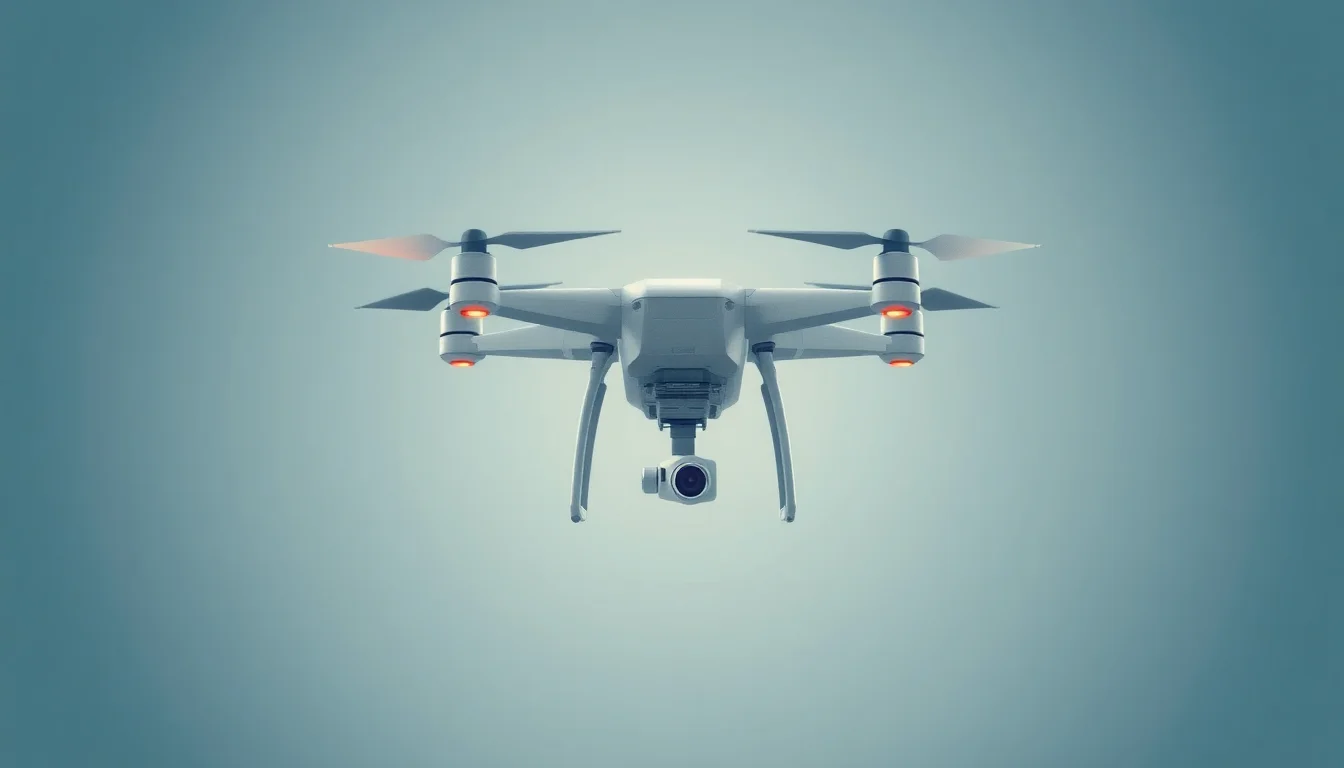
At its heart, a UAV comprises several critical systems. The airframe provides the structural integrity. Propulsion systems, typically electric motors driving propellers for multi-rotors or engines for fixed-wings, generate lift and thrust. A flight controller, essentially the drone's brain, processes data from sensors like GPS, accelerometers, and gyroscopes to maintain stability and execute commands. The power system, usually lithium-polymer (LiPo) batteries, supplies energy. For commercial and advanced applications, a sophisticated camera or sensor payload (e.g., thermal, multispectral) is integrated, along with a communication system for transmitting data and receiving control signals back to the ground station or pilot. The integration of AI is increasingly enhancing autonomous capabilities.
📈 The Future of Flight: Where We're Headed
The trajectory of UAV technology points towards greater autonomy and integration. Expect to see more sophisticated AI-powered flight planning and obstacle avoidance, enabling drones to operate with minimal human intervention. The expansion of drone delivery services is a near-term certainty, with companies like Amazon Prime Air and Wing (an Alphabet company) already conducting trials. Beyond logistics, advancements in sensor technology will unlock new applications in environmental monitoring, disaster response, and even personal transportation (air taxis). The ongoing development of counter-drone technology will also be crucial as airspace becomes more crowded.
⚠️ Risks and Considerations for Operators
Operating a UAV comes with inherent risks that demand careful consideration. Mid-air collisions, though statistically rare with proper protocols, remain a concern, especially with the increasing density of drone traffic. Equipment malfunctions, battery failures, or loss of signal can lead to crashes, potentially causing property damage or injury. Privacy concerns are also significant, as drones equipped with high-resolution cameras can inadvertently or intentionally capture sensitive information. Furthermore, the potential for malicious use, such as smuggling or surveillance, necessitates robust security measures and ongoing vigilance from operators and regulators alike. Adhering to best practices and understanding the limitations of your equipment is non-negotiable.
Key Facts
- Year
- 2024
- Origin
- Military applications in the early 20th century, with significant acceleration in civilian use from the early 2000s.
- Category
- Technology & Innovation
- Type
- Technology
Frequently Asked Questions
Do I need a license to fly a drone?
It depends on your location and purpose. In the US, commercial operation requires a Remote Pilot Certificate (Part 107 license) from the FAA. Recreational flyers may have different requirements, often involving passing an aeronautical knowledge and safety test. Always check the specific regulations for your country and intended use before flying.
What's the difference between a drone and a UAV?
The terms are largely interchangeable. 'Drone' is the more common, colloquial term, while 'Unmanned Aerial Vehicle' (UAV) is the more technical and formal designation. Both refer to aircraft that fly without a human pilot onboard.
How long can drones stay in the air?
Flight time varies significantly by drone type and battery capacity. Smaller recreational drones might fly for 10-20 minutes, while larger, professional drones can achieve 30-45 minutes or even longer. Specialized fixed-wing UAVs designed for endurance can fly for several hours.
Are drones safe to fly near people?
Regulations often restrict flying directly over people or crowds unless the drone meets specific safety standards (e.g., lightweight, low-impact design) or the operator has special waivers. It's crucial to maintain a safe distance and be aware of your surroundings to prevent accidents.
What are the main types of drones?
The two primary categories are multi-rotor drones (like quadcopters, hexacopters) known for their maneuverability and vertical takeoff/landing capabilities, and fixed-wing drones, which resemble traditional airplanes and are generally more efficient for longer flights and covering large areas.
Can drones fly in bad weather?
Most consumer-grade drones are not designed for severe weather conditions like heavy rain, strong winds, or snow. While some professional-grade drones offer water resistance and can handle light rain or moderate winds, it's always best to check the manufacturer's specifications and err on the side of caution to avoid damaging the equipment or losing control.