
Contents
Overview
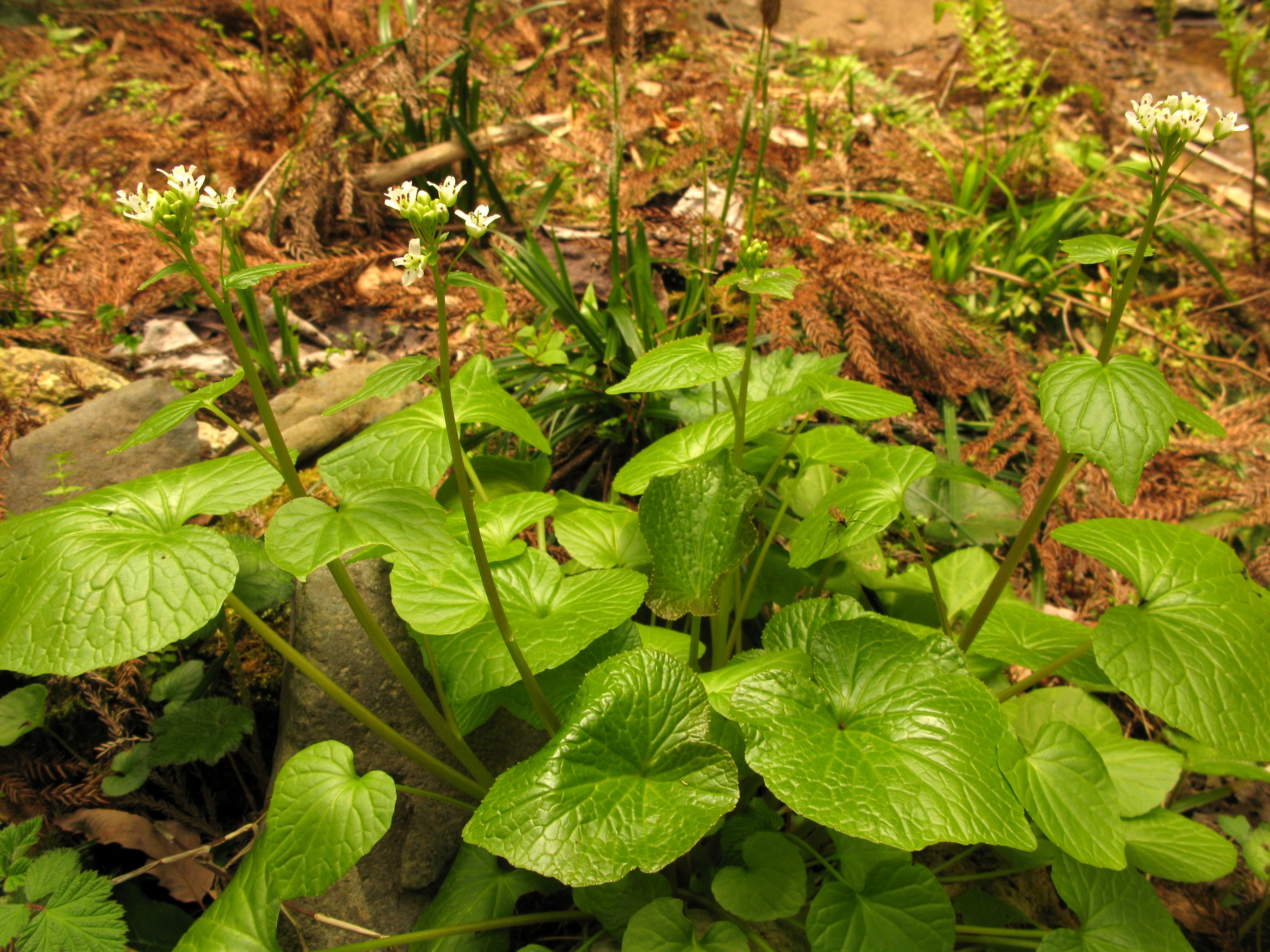
The story of wasabi begins in the pristine river valleys of Japan. For centuries, it remained a localized delicacy, prized for its rarity and potent flavor. The plant's natural habitat is specific: it thrives in cool, damp environments, typically along mountain stream beds, making large-scale cultivation a significant challenge. Early cultivation efforts were often small-scale and artisanal, with farmers meticulously tending to the plants in shaded, water-rich fields. The distinct flavor profile, a sharp, nasal heat rather than a lingering burn, was appreciated by Japanese gourmands long before it gained international recognition. The plant's scientific classification, Eutrema japonicum, highlights its botanical lineage, placing it within the Brassicaceae family alongside familiar relatives like mustard and horseradish.
⚙️ How It Works
The characteristic pungency of wasabi is a result of a complex chemical reaction. When the wasabi rhizome is grated, enzymes called myrosinases are released and interact with glucosinolates, breaking them down into volatile sulfur compounds, primarily allyl isothiocyanate (AITC). This AITC is what vaporizes and travels up the nasal passages, creating the intense, albeit short-lived, 'heat' sensation. Unlike capsaicin in chili peppers, which directly stimulates pain receptors on the tongue, AITC targets olfactory receptors, leading to a distinct nasal 'kick'. The intensity and flavor profile can vary significantly based on the specific cultivar, growing conditions, and the freshness of the grated paste. The process of grating itself is crucial; traditionally, it's done on a grating stone made of sharkskin (known as an 'oroshigane'), which has a fine, sandpaper-like texture that effectively breaks down the plant's fibers without bruising them excessively, preserving the delicate volatile compounds.
📊 Key Facts & Numbers
Globally, the wasabi market is a complex ecosystem. While an estimated 95% of wasabi consumed outside Japan is actually a mixture of horseradish, mustard, and green food coloring, true wasabi commands a premium price. Japan remains the largest producer, with regions like Shizuoka and Nagano accounting for significant cultivation. The cultivation of wasabi is labor-intensive, with a single rhizome taking 18-24 months to mature.
👥 Key People & Organizations
While no single individual is solely credited with 'inventing' wasabi, several figures and entities have been instrumental in its cultivation and popularization. The Shimomura family in Shizuoka Prefecture, Japan, has been cultivating wasabi for generations. The International Wasabi Association (though not a formal global body, it represents key industry players) works to promote authentic wasabi and educate consumers. In the realm of research, Dr. Keisuke Makino of the National Agriculture and Food Research Organization (NARO) in Japan has conducted extensive studies on wasabi genetics and cultivation techniques. Companies like S&B Foods in Japan are major processors and distributors of wasabi products, though they often utilize a blend for wider market accessibility. The Wasabi Museum in Shizuoka offers insights into the plant's history and cultivation.
🌍 Cultural Impact & Influence
Wasabi's cultural resonance is inextricably linked to the global ascent of sushi and Japanese cuisine since the late 20th century. Its vibrant green hue and sharp, invigorating flavor have become synonymous with the sushi experience, acting as both a palate cleanser and a flavor enhancer. Beyond sushi, wasabi has found its way into a surprising array of Western culinary applications, appearing in potato chips, salad dressings, chocolate, and even cocktails. This diffusion has broadened its appeal but also contributed to the proliferation of imitation wasabi. The plant itself has become an icon of Japanese culinary tradition, representing a dedication to quality, seasonality, and a unique sensory experience. Its image is frequently used in media to evoke Japaneseness, solidifying its place in global food culture.
⚡ Current State & Latest Developments
The current state of wasabi cultivation is a dynamic interplay between tradition and innovation. While traditional methods persist, researchers are exploring new techniques to overcome the plant's challenging growing requirements. Hydroponic and greenhouse cultivation methods are gaining traction, particularly in regions outside Japan, aiming to control environmental factors more precisely and increase yields. Companies like Real Wasabi in the United States are pioneering these controlled-environment farming techniques. Furthermore, efforts are underway to develop new, more resilient cultivars that can withstand a wider range of conditions. The ongoing challenge remains differentiating true wasabi from its cheaper imitations, with increasing consumer awareness and demand for authenticity driving market trends.
🤔 Controversies & Debates
The most significant controversy surrounding wasabi is the widespread prevalence of imitation products. The vast majority of 'wasabi' found in supermarkets and sushi restaurants outside of Japan is not true Eutrema japonicum. It's typically a blend of horseradish (for heat), mustard (for flavor complexity), and green food coloring (for appearance). This practice, while economically driven, dilutes the appreciation for genuine wasabi and its unique characteristics. Another point of contention is the sustainability of wasabi cultivation, given its high water and land requirements, and the potential environmental impact of intensive farming practices. Debates also arise regarding the health claims associated with wasabi compounds, with some studies suggesting benefits while others remain inconclusive, leading to skepticism about its purported medicinal properties.
🔮 Future Outlook & Predictions
The future of wasabi likely involves a greater emphasis on controlled environment agriculture (CEA) and vertical farming to overcome geographical limitations and ensure consistent quality. Innovations in biotechnology may lead to the development of new, hardier wasabi cultivars, potentially reducing cultivation time and cost. As consumer demand for authentic and traceable food products grows, there's a strong possibility of a bifurcated market: a premium segment for genuine, high-quality wasabi, and a continued mass market for the horseradish-based imitation. The development of lab-grown wasabi, while still in its nascent stages, could also present a future alternative, though it faces significant hurdles in replicating the complex flavor profile and texture of the naturally grown rhizome. The ongoing challenge will be to educate consumers and maintain the integrity of the wasabi brand.
💡 Practical Applications
Beyond its role as a condiment for sushi and sashimi, wasabi has a range of practical applications. Its potent antimicrobial properties have led to its use in food preservation and as a natural disinfectant. In traditional Japanese medicine, wasabi has been employed for its purported circulatory benefits and as a decongestant. Modern culinary applications extend to wasabi-infused oils, vinegars, and powders used to add a unique kick to a variety of dishes, from mayonnaise to steak sauce. Its intense aroma and flavor make it a popular ingredient in snacks like potato chips and crackers. Research is also exploring its potential in cosmetics for its stimulating properties.
Key Facts
- Category
- nature
- Type
- topic