
Contents
Overview
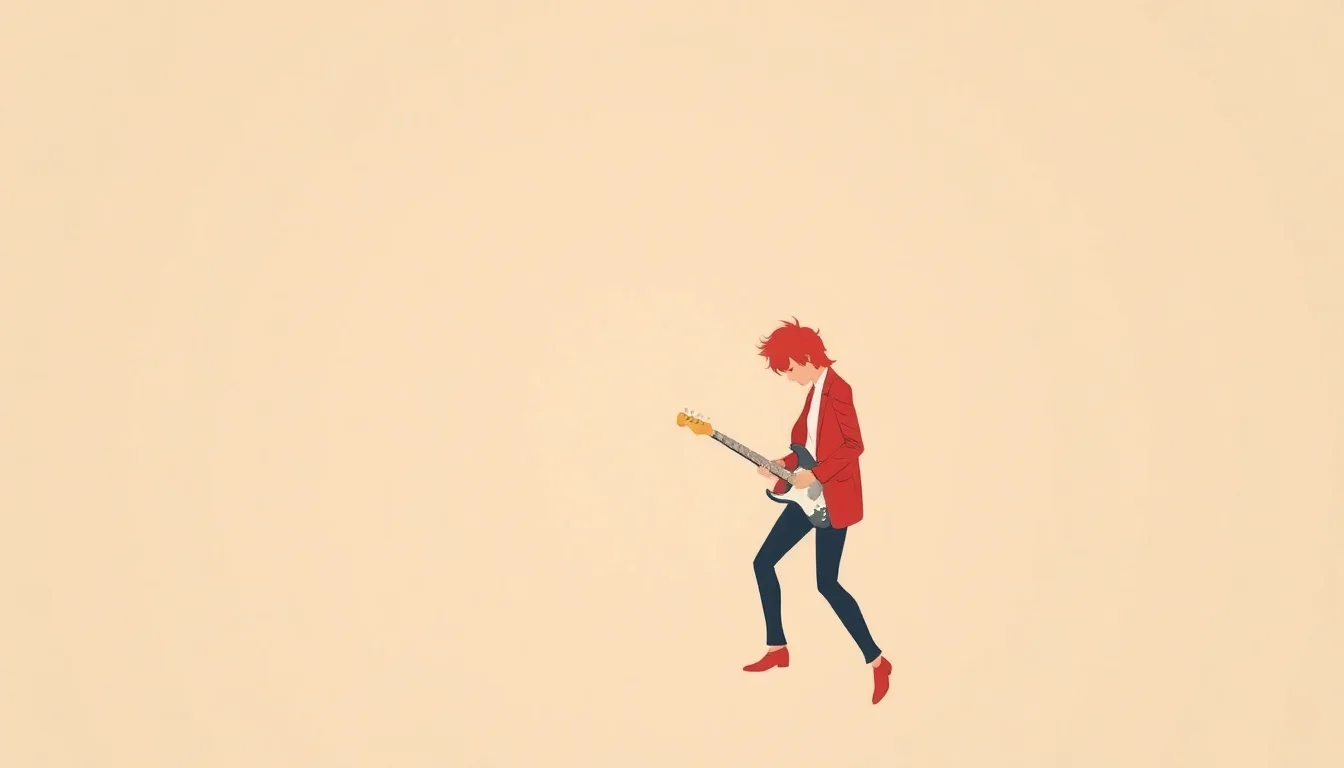
Ziggy Stardust wasn't just a character; he was a meticulously crafted alien rock god who landed on Earth in the early 1970s, bringing with him a message of rock and roll salvation and a sexually ambiguous, flamboyant persona. Introduced on the 1972 album The Rise and Fall of Ziggy Stardust and the Spiders from Mars, Ziggy was a messianic figure for a generation grappling with post-war ennui and the dawn of the digital age. His narrative arc, from conquering rock star to self-destruction, mirrored themes of fame, excess, and the ephemeral nature of celebrity, all delivered through David Bowie's groundbreaking music and theatrical stage presence.
More than just an album concept, Ziggy Stardust became a cultural phenomenon. Bowie, as Ziggy, pushed boundaries of gender presentation and challenged societal norms, influencing countless artists and solidifying a place in the pantheon of musical icons. The persona allowed Bowie to explore complex ideas about identity, alienation, and the future, making Ziggy a potent symbol of artistic liberation and the power of performance. The character's ultimate demise on stage, a planned self-immolation of the persona, cemented his legend as a tragic hero of rock.
Genesis of an Icon
The creation of Ziggy Stardust was a deliberate act of artistic reinvention for David Bowie. Emerging from the relative obscurity of his early folk and psychedelic rock albums, Bowie envisioned a character who could embody the theatricality and excess of the burgeoning glam rock movement. Influenced by figures like The Velvet Underground, Little Richard, and the science fiction of Judy Blume's early works, Bowie crafted a narrative of an alien messenger who arrives to save a dying Earth through rock and roll. The visual aesthetic – the fiery red hair, the striking makeup, the avant-garde costumes designed by Susan Manray – was as crucial as the music in establishing Ziggy's otherworldly presence. Bowie's band, The Spiders from Mars, featuring Mick Ronson, Trevor Bolder, and Mick Woodmansey, provided the raw, powerful instrumental foundation for Ziggy's cosmic pronouncements.
The Rise and Fall
The album The Rise and Fall of Ziggy Stardust and the Spiders from Mars, released in June 1972, was the vehicle for Ziggy's Earthly debut. Tracks like "Five Years," "Starman," and "Moonage Daydream" painted a vivid picture of a dystopian future and Ziggy's role as a savior. Live performances were legendary, often featuring Bowie in full Ziggy regalia, blurring the lines between performer and character to an unprecedented degree. The subsequent tour, which spanned 1972 and 1973, became a global sensation, cementing Ziggy's status as a cultural icon. The persona's abrupt 'death' during a concert at the Hammersmith Odeon in London on July 3, 1973, was a shock to fans and a masterstroke of performance art, signaling Bowie's readiness to move on to new artistic frontiers.
Enduring Influence
Ziggy Stardust's legacy is immeasurable. He remains one of the most influential personas in music history, a blueprint for artistic reinvention and the fusion of music, fashion, and theater. His androgynous presentation and embrace of theatricality opened doors for countless artists in the new wave, punk, and New Romantic movements, including T. Rex, David Sylvian, and Boy George. Bowie's ability to inhabit and then shed such a potent character demonstrated a profound understanding of identity and performance, influencing not just musicians but also actors and artists across disciplines. The character's themes of alienation, celebrity, and the search for meaning continue to resonate, making Ziggy Stardust a timeless exploration of the human condition through a sci-fi lens.
Cultural Resonance
Culturally, Ziggy Stardust was a lightning rod. He challenged the rigid gender roles and heteronormative expectations prevalent in early 1970s society. His flamboyant style and ambiguous sexuality provided a visual and sonic touchstone for a generation exploring alternative identities. The character became an anthem for outsiders and dreamers, a symbol of escapism and the transformative power of art. The album itself is consistently ranked among the greatest of all time, a cornerstone of rock music history. Even after Bowie 'killed' Ziggy, the character's influence persisted, reappearing in later works and inspiring a global fascination with Bowie's transformative artistry. The 2002 reissue of the album, coupled with the 2003 film Stardust, further cemented Ziggy's enduring cultural footprint.
Key Facts
- Year
- 1972-1973
- Origin
- London, England (as a persona)
- Category
- music
- Type
- artist
Frequently Asked Questions
What is Ziggy Stardust?
Ziggy Stardust was a fictional, alien rock star persona created and performed by musician David Bowie in the early 1970s. It is most famously associated with his 1972 concept album, The Rise and Fall of Ziggy Stardust and the Spiders from Mars, and the subsequent concert tour. The character was designed to be a bisexual alien messenger who brought a message of hope to Earth but was ultimately consumed by fame.
When was the Ziggy Stardust album released?
The album The Rise and Fall of Ziggy Stardust and the Spiders from Mars was released on June 16, 1972, in the United Kingdom and on June 27, 1972, in the United States. It quickly became a landmark album in the glam rock movement and David Bowie's career.
Who were The Spiders from Mars?
The Spiders from Mars were David Bowie's backing band during the Ziggy Stardust era. The core lineup consisted of Mick Ronson on guitar, Trevor Bolder on bass, and Mick Woodmansey on drums. Their powerful musicianship was integral to the Ziggy Stardust sound and live performances.
Why did David Bowie retire the Ziggy Stardust persona?
David Bowie famously 'retired' Ziggy Stardust on July 3, 1973, during a concert at the Hammersmith Odeon in London. Bowie stated he felt the persona had run its course and that he was becoming too consumed by the character. He wanted to move on artistically and avoid being permanently defined by Ziggy.
What is the significance of Ziggy Stardust today?
Ziggy Stardust remains a highly significant figure in pop culture for its pioneering approach to theatricality, gender fluidity, and the concept of the rock star as an artistic creation. The persona influenced fashion, music, and performance art, challenging norms and inspiring generations of artists to explore identity and stagecraft.
Where can I watch the Ziggy Stardust film?
The concert film Ziggy Stardust and the Spiders from Mars (directed by D.A. Pennebaker) is often available for rent or purchase on digital platforms. Availability can vary by region and streaming service, so checking major online movie rental services or digital stores is recommended.