
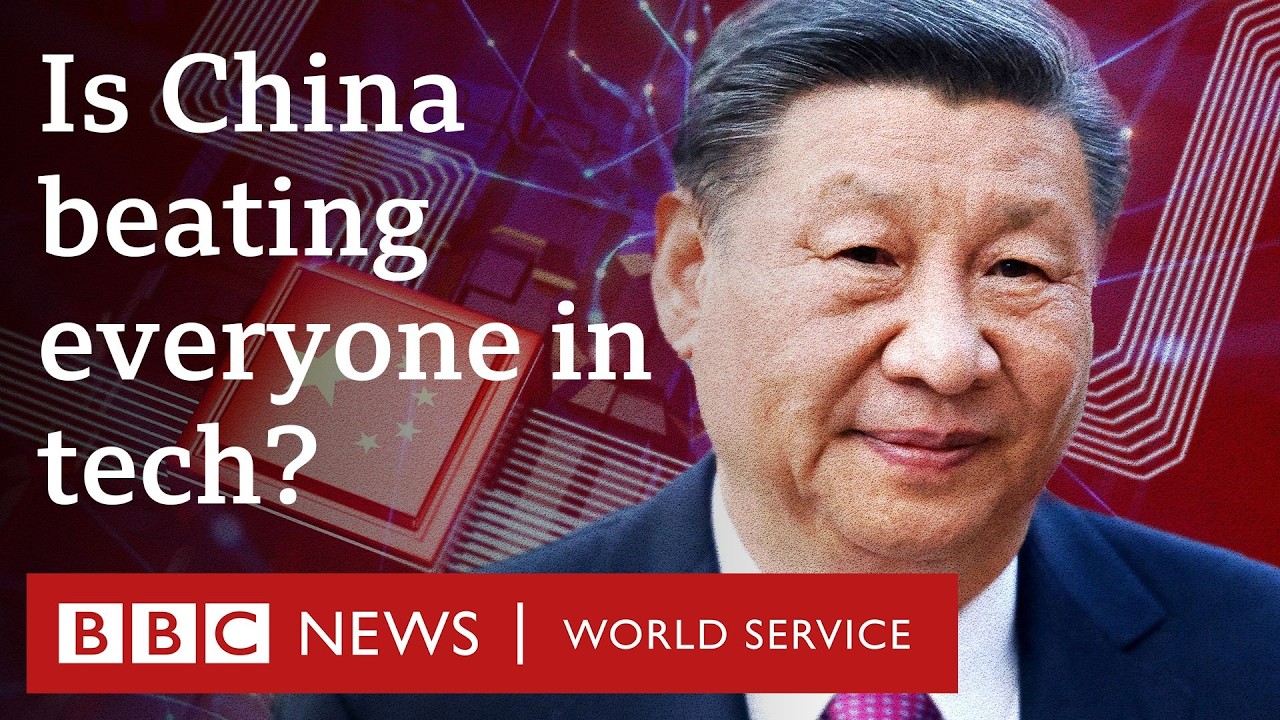
Summary
Recent advancements in Chinese AI models are causing significant concern in Washington and Silicon Valley, as they threaten to erode the United States' long-held dominance in technology. Chinese firms are reportedly narrowing the gap in AI capabilities, prompting discussions about national security and economic competitiveness. With investments pouring into AI research and development, the implications for U.S. tech firms and policy are profound, raising questions about the future of innovation and leadership in the sector. As the race heats up, the global balance of power in technology could shift dramatically.
Key Takeaways
- Chinese advancements in AI are rapidly closing the gap with U.S. technology.
- The U.S. government is increasingly concerned about national security implications.
- Healthy competition could drive innovation in both countries.
- The potential for a technological arms race in AI is a subject of debate.
- Global power dynamics may shift as AI becomes more integral to various sectors.
Balanced Perspective
Factually, Chinese AI models have shown significant improvements, with companies like Baidu and Alibaba making strides in natural language processing and machine learning. Reports indicate that these advancements are not just theoretical; they are being implemented in various sectors, from healthcare to finance. While the U.S. still leads in many areas of AI research, the gap is closing, and the implications for economic and national security are being taken seriously by policymakers. The situation is evolving, with both nations investing heavily in AI capabilities.
Optimistic View
The optimistic view highlights that competition can drive innovation. As Chinese companies advance in AI, it may spur U.S. firms to accelerate their own research and development efforts, leading to breakthroughs that benefit the global tech ecosystem. The collaboration between nations in AI could foster a more robust international framework for ethical AI use, ultimately enhancing global standards and practices. This could result in a more vibrant tech landscape, where the best ideas and technologies emerge from healthy competition.
Critical View
The pessimistic perspective raises alarms about the potential consequences of China's advancements in AI. There are concerns that the U.S. could lose its competitive edge, leading to economic repercussions and a diminished role in setting global tech standards. Additionally, the implications for national security are troubling, as advanced AI could be used in military applications or cyber warfare. The risk of a technological arms race is real, with both countries potentially diverting resources from other critical areas to focus on AI supremacy.
Source
Originally reported by PBS