
Summary
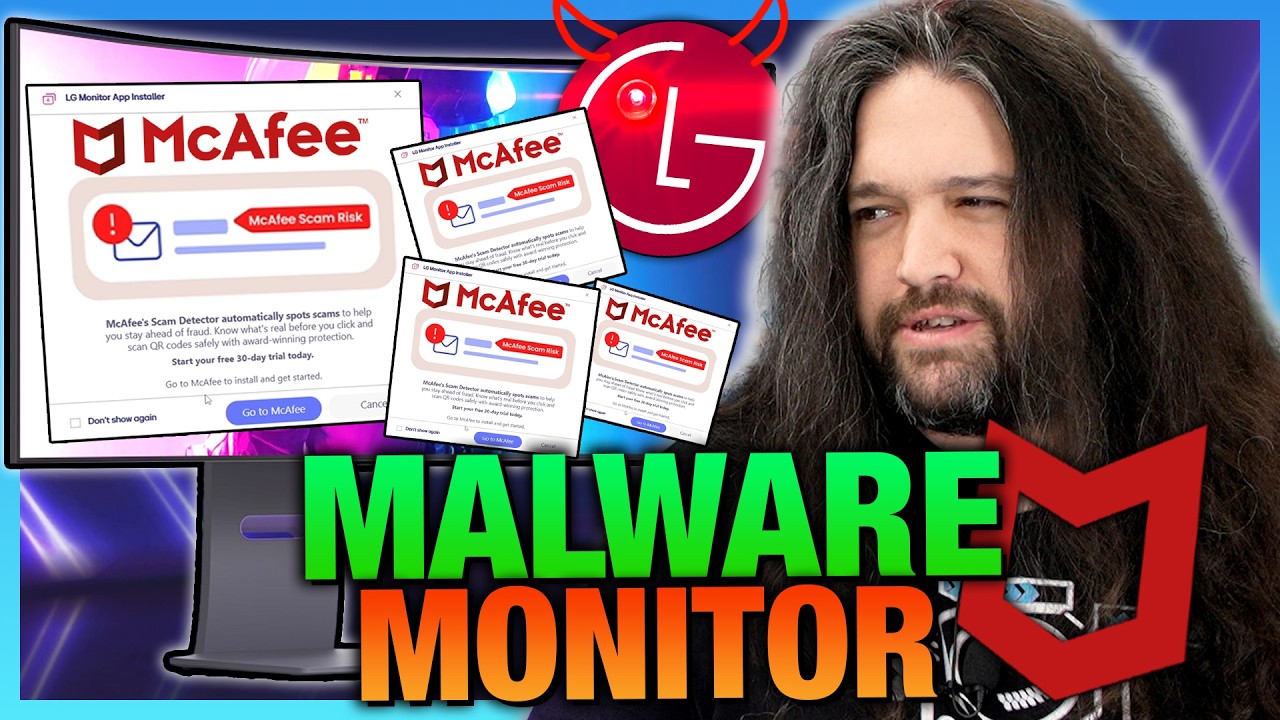
**Microsoft** has recently addressed the uproar surrounding **LG's** installation of **McAfee** ads on its monitors, which some users found intrusive. Reports indicate that LG is retracting a pop-up ad from a controversial app that was stealthily installed on connected devices, raising questions about user consent and corporate responsibility. This incident highlights the ongoing tensions between hardware manufacturers and software vendors in the digital advertising landscape. As consumers demand more transparency, the implications for both companies could reshape their reputations and business strategies.
Key Takeaways
- LG is retracting a McAfee ad that was installed on its monitors without user consent.
- Microsoft's involvement highlights the importance of corporate responsibility in tech partnerships.
- User privacy concerns are at the forefront of this controversy.
- The incident could lead to changes in how software is marketed and installed on hardware.
- Consumer advocacy may play a crucial role in shaping future tech policies.
Balanced Perspective
The facts indicate that LG monitors were installing a McAfee app without clear user consent, prompting backlash from consumers. Microsoft has stepped in to address the situation, but the full extent of user impact remains unclear. The situation underscores the need for clearer communication regarding software installations on hardware devices.
Optimistic View
This incident could lead to a more robust dialogue about user consent and transparency in digital advertising. If LG and Microsoft take proactive measures, it might inspire other companies to prioritize user experience over aggressive marketing tactics. The potential for improved consumer trust could enhance brand loyalty for both companies, ultimately benefiting their bottom lines.
Critical View
This controversy raises significant concerns about user privacy and the ethics of pre-installed software. If LG and Microsoft fail to adequately address consumer grievances, they risk damaging their reputations and losing customer trust. Moreover, this incident could set a troubling precedent for future hardware-software partnerships, where user autonomy is compromised for profit.
Source
Originally reported by Ars Technica