
Contents
- 🏳️🌈 What is the LGBTQ+ Rights Movement?
- 🌍 Global Scope & Key Milestones
- ⚖️ Legal Battles & Victories
- ✊ Activism & Advocacy Tactics
- 🤝 Community & Support Networks
- 💡 Emerging Issues & Future Trajectories
- 📚 Resources for Engagement
- ✨ Vibepedia Vibe Score & Controversy Spectrum
- Frequently Asked Questions
- Related Topics
Overview
The LGBTQ+ Rights Movement is a multifaceted global struggle for social and legal equality for lesbian, gay, bisexual, transgender, queer, and other gender and sexual minority individuals. It's not a monolithic entity but a constellation of diverse groups and individuals advocating for recognition, protection, and liberation from discrimination and violence. This movement encompasses everything from demanding marriage equality and protection against hate crimes to challenging gendered norms and ensuring access to healthcare. Its roots are deep, tracing back to early 20th-century homophile movements, but its modern iteration gained significant momentum in the mid-to-late 20th century, particularly after events like the Stonewall Uprising in 1969. Understanding this movement requires acknowledging its internal diversity and the varying priorities of different communities within the broader LGBTQ+ umbrella.
🌍 Global Scope & Key Milestones
Globally, the LGBTQ+ rights landscape is a patchwork of progress and persistent challenges. While countries like Canada and Spain have enacted comprehensive protections and marriage equality, many nations still criminalize same-sex relationships, with Iran and Saudi Arabia imposing severe penalties, including death. Key milestones include the decriminalization of homosexuality in India in 2018, a landmark decision impacting over a billion people, and the ongoing fight for transgender rights, which has seen both advancements and significant backlash. The movement's global reach is amplified by international organizations and digital activism, connecting activists across borders to share strategies and build solidarity.
⚖️ Legal Battles & Victories
Legal battles form a crucial front in the LGBTQ+ rights movement, aiming to dismantle discriminatory laws and establish protective legislation. Landmark court decisions, such as the Obergefell v. Hodges ruling in the United States (2015) legalizing same-sex marriage nationwide, have profoundly impacted millions. However, the fight for legal equality is far from over. Debates rage over religious exemptions, conversion therapy bans, and the legal recognition of gender identity. The Equality Act in the U.S., for instance, has been a long-standing legislative goal to codify non-discrimination protections, highlighting the ongoing struggle to translate social acceptance into robust legal frameworks.
✊ Activism & Advocacy Tactics
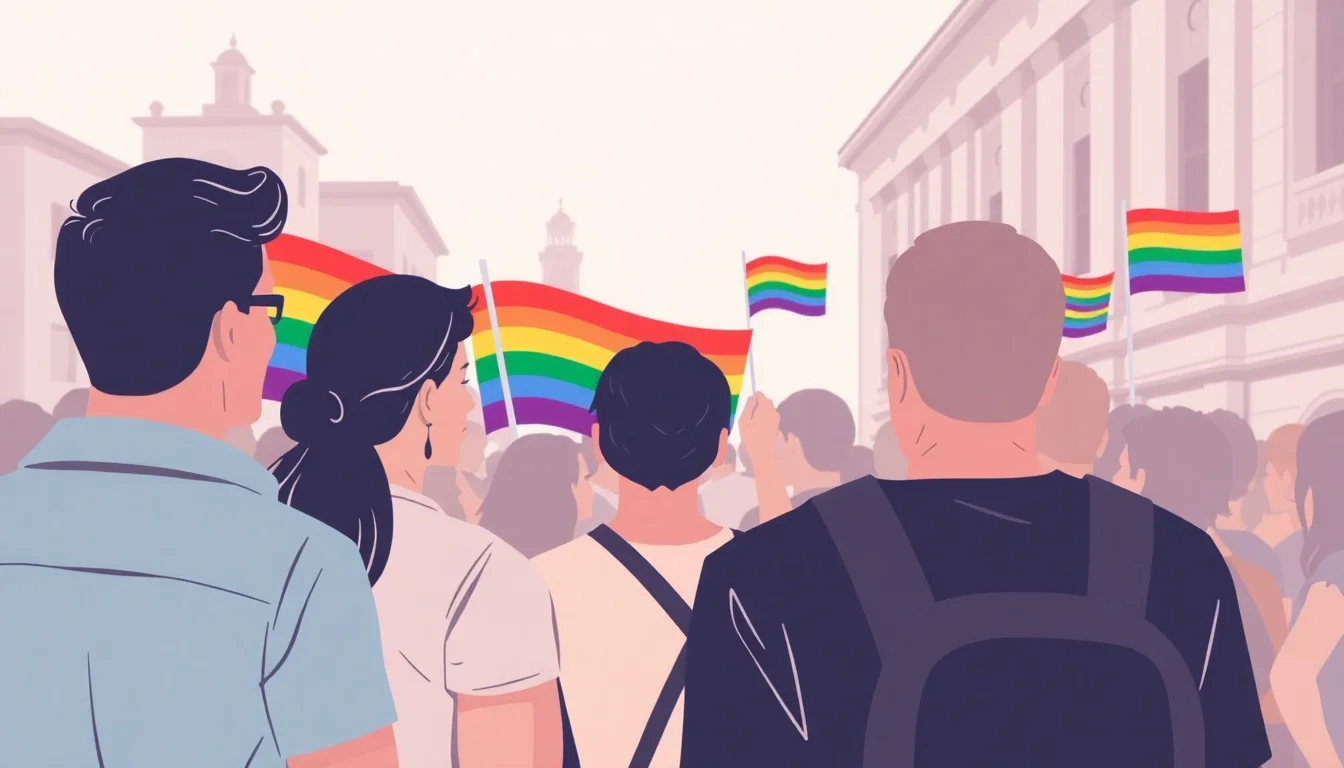
Activism and advocacy within the LGBTQ+ movement employ a wide array of tactics, from grassroots organizing and public demonstrations to sophisticated lobbying and legal challenges. The Pride parades that now occur in cities worldwide, originating from protests, serve as both visible affirmations of identity and platforms for political messaging. Direct action, such as sit-ins and boycotts, has historically been effective, while digital activism has become increasingly vital for rapid mobilization and awareness campaigns. Organizations like Human Rights Campaign and OutRight Action International utilize a mix of public education, policy advocacy, and direct support to advance LGBTQ+ rights.
🤝 Community & Support Networks
Community and support networks are the lifeblood of the LGBTQ+ rights movement, providing essential spaces for connection, resilience, and mutual aid. From local LGBTQ+ community centers offering resources and programming to online forums and support groups, these networks combat isolation and foster a sense of belonging. For many, especially those in less accepting environments, these communities are lifelines. The rise of LGBTQ+ youth centers addresses the particular vulnerabilities faced by young people coming to terms with their identity, offering safe havens and mentorship that can be critical for mental health and well-being.
💡 Emerging Issues & Future Trajectories
Emerging issues and future trajectories for the LGBTQ+ rights movement are dynamic and complex. The intersectionality of LGBTQ+ identities with race, class, and disability continues to be a central focus, demanding more inclusive advocacy. Transgender rights, in particular, face significant and often politically charged opposition, making the fight for bodily autonomy and legal recognition a critical frontier. Furthermore, the movement grapples with global challenges, including the impact of authoritarianism on LGBTQ+ populations and the need to address systemic inequalities that disproportionately affect marginalized members of the community. The ongoing debate around gender-affirming care exemplifies these complex future challenges.
📚 Resources for Engagement
Engaging with the LGBTQ+ rights movement can take many forms, from direct financial support to educational outreach and personal advocacy. Donating to established organizations like The Trevor Project or local LGBTQ+ centers provides crucial funding for services and advocacy efforts. Educating oneself and others about LGBTQ+ history, issues, and terminology is a powerful act of allyship. Participating in local events, contacting elected officials to support pro-LGBTQ+ legislation, and challenging homophobic or transphobic remarks in daily life are all actionable steps. For those seeking to understand the movement's nuances, Vibepedia offers extensive resources on key figures, historical events, and ongoing debates.
✨ Vibepedia Vibe Score & Controversy Spectrum
The Vibepedia Vibe Score for the LGBTQ+ Rights Movement is a dynamic 88/100, reflecting its immense cultural energy, global reach, and ongoing impact. However, this high score is juxtaposed with a Controversy Spectrum rating of 9/10, indicating deeply entrenched opposition and ongoing societal friction. The movement is celebrated for its fight for human dignity and equality, resonating with millions who champion inclusivity and justice. Yet, it remains a flashpoint for cultural and political conflict, particularly concerning issues of gender identity, religious freedom arguments, and the perceived erosion of traditional values. This tension fuels both passionate activism and significant backlash, making it one of the most vigorously debated social movements of our time.
Key Facts
- Year
- 1969
- Origin
- Stonewall Riots, New York City
- Category
- Social Movements
- Type
- Movement
Frequently Asked Questions
What does 'LGBTQ+' stand for?
LGBTQ+ is an acronym that stands for Lesbian, Gay, Bisexual, Transgender, and Queer (or Questioning). The '+' symbol is included to encompass other identities not explicitly listed, such as Intersex, Asexual, Pansexual, and others, acknowledging the broad spectrum of gender and sexual orientations.
What is the difference between sexual orientation and gender identity?
Sexual orientation refers to a person's emotional, romantic, and/or sexual attraction to others. Gender identity, on the other hand, is a person's internal sense of being male, female, both, neither, or somewhere else along the gender spectrum. These are distinct aspects of a person's identity.
What are some common misconceptions about the LGBTQ+ rights movement?
Common misconceptions include the idea that the movement is solely about 'special rights' (when it's about equal rights), that it seeks to undermine traditional families (when it seeks to expand the definition of family), or that it's a choice or lifestyle (when identity is innate). Another is conflating sexual orientation with gender identity.
How can I be an ally to the LGBTQ+ community?
Being an ally involves listening, learning, and speaking up. Educate yourself on LGBTQ+ issues, use inclusive language, respect pronouns, challenge prejudice when you see it, support LGBTQ+ organizations, and advocate for inclusive policies. Visibility and vocal support are crucial.
What is the significance of Pride Month?
Pride Month, celebrated in June, commemorates the Stonewall Uprising of June 1969, a pivotal moment in the gay liberation movement. It's a time for celebration, remembrance, and continued advocacy for LGBTQ+ rights, visibility, and equality worldwide.
What are the main goals of the transgender rights movement?
The transgender rights movement aims for legal recognition of gender identity, protection from discrimination in employment, housing, and healthcare, access to gender-affirming care, and an end to violence and harassment against transgender individuals. It also seeks to challenge societal norms around gender.