
Contents
- 🏥 Introduction to Clinical Practice
- 💡 The Evolution of Medicine
- 👨⚕️ The Art of Patient Care
- 🔬 Biomedical Sciences in Medicine
- 🧬 Genetics and Medical Technology
- 💊 Pharmaceutical and Surgical Interventions
- 📊 Preventive Medicine and Public Health
- 🤝 Interdisciplinary Collaboration in Healthcare
- 📈 The Future of Clinical Practice
- 📊 Healthcare Policy and Reform
- 👥 Patient-Centered Care and Advocacy
- 📚 Continuing Education in Clinical Practice
- Frequently Asked Questions
- Related Topics
Overview
Clinical practice is the cornerstone of healthcare, where medical professionals apply their knowledge and skills to diagnose, treat, and manage patient care. With a rich history dating back to ancient civilizations, clinical practice has evolved significantly over time, influenced by landmark figures such as Hippocrates and Florence Nightingale. Today, it is shaped by advances in medical technology, evidence-based medicine, and shifting patient demographics. The field is not without its challenges, with debates surrounding issues like medical malpractice, healthcare disparities, and the role of artificial intelligence in patient care. As the healthcare landscape continues to shift, clinical practice must adapt to meet the changing needs of patients and societies. With a Vibe score of 8, clinical practice is a dynamic and multifaceted field that requires continuous learning, innovation, and collaboration among healthcare professionals.
🏥 Introduction to Clinical Practice
The field of medicine is a complex and multifaceted discipline that encompasses a wide range of healthcare practices, from Diagnosis and Treatment to Prevention and Palliative Care. At its core, medicine is the science and practice of caring for patients, managing the diagnosis, prognosis, prevention, treatment, and palliation of their injury or disease, while promoting their health. As noted by World Health Organization, medicine applies Biomedical Sciences, Biomedical Research, Genetics, and Medical Technology to diagnose, treat, and prevent injury and disease.
💡 The Evolution of Medicine
The evolution of medicine has been shaped by various factors, including advances in Medical Research, changes in Healthcare Policy, and shifts in Patient Expectations. As discussed in History of Medicine, the practice of medicine has evolved significantly over time, from ancient civilizations to modern-day healthcare systems. The development of new Medical Technologies, such as Imaging Technologies and Genomic Medicine, has also played a crucial role in shaping the field of medicine.
👨⚕️ The Art of Patient Care
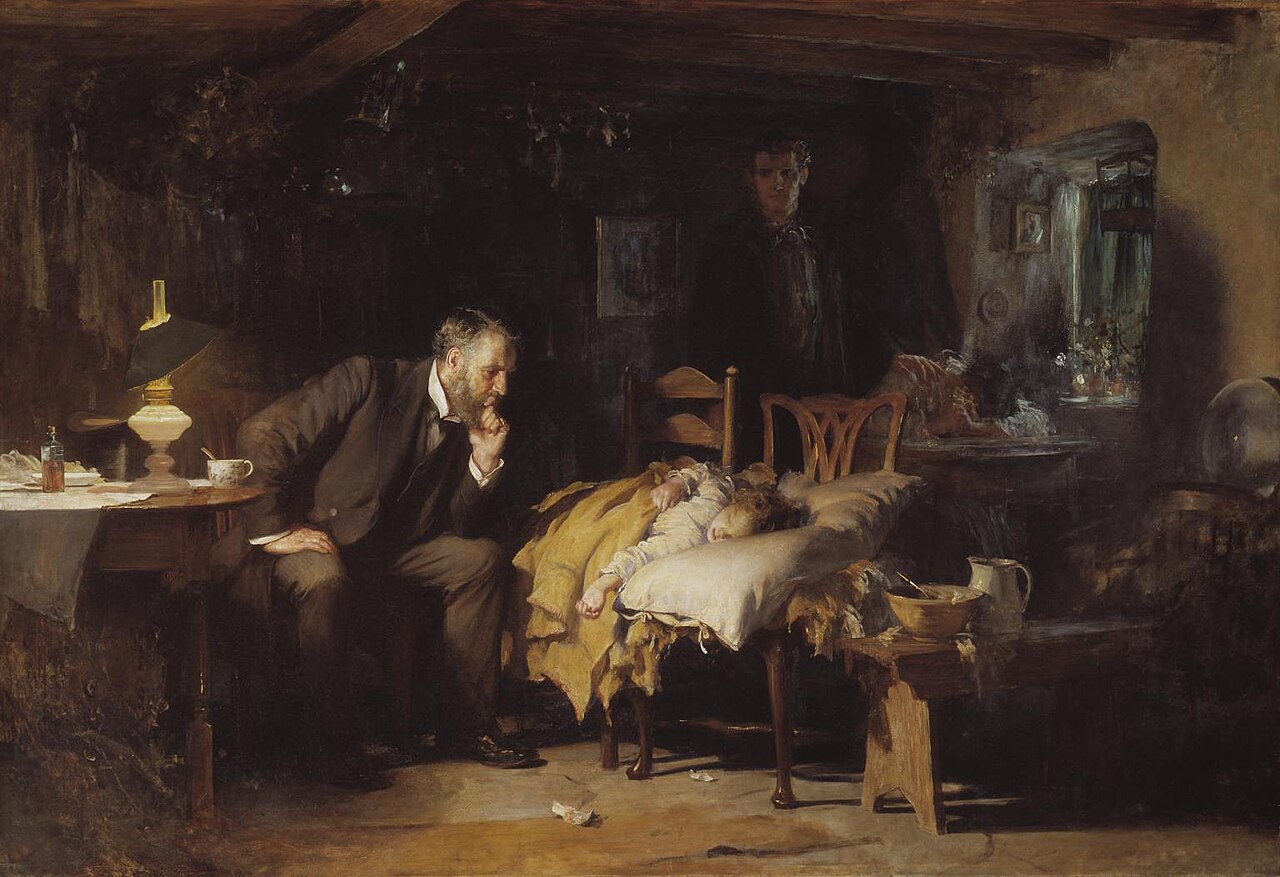
The art of patient care is a critical component of clinical practice, requiring healthcare professionals to balance Evidence-Based Medicine with Patient-Centered Care. As noted by Institute of Medicine, patient care involves not only treating the physical aspects of a patient's condition but also addressing their Emotional Health and Social Determinants of Health. Healthcare professionals must also be aware of the importance of Cultural Competence and Health Literacy in providing high-quality patient care.
🔬 Biomedical Sciences in Medicine
Biomedical sciences play a vital role in medicine, providing the foundation for Diagnostic Testing and Therapeutic Interventions. As discussed in Biomedical Engineering, advances in biomedical sciences have led to the development of new Medical Devices and Biologics. The application of Genomics and Proteomics has also revolutionized the field of medicine, enabling healthcare professionals to tailor Treatment Plans to individual patients' needs.
🧬 Genetics and Medical Technology
Genetics and medical technology have transformed the field of medicine, enabling healthcare professionals to diagnose and treat genetic disorders more effectively. As noted by National Institutes of Health, advances in Genetic Testing and Gene Therapy have opened up new possibilities for the treatment of genetic diseases. The development of Personalized Medicine has also enabled healthcare professionals to tailor treatment plans to individual patients' genetic profiles.
💊 Pharmaceutical and Surgical Interventions
Pharmaceutical and surgical interventions are critical components of clinical practice, providing healthcare professionals with a range of treatment options for various medical conditions. As discussed in Pharmacology, the development of new Pharmaceuticals has transformed the treatment of diseases such as Cancer and Infectious Diseases. The application of Surgical Techniques has also improved patient outcomes, enabling healthcare professionals to perform complex procedures with greater precision and accuracy.
📊 Preventive Medicine and Public Health
Preventive medicine and public health are essential components of clinical practice, focusing on the prevention of disease and the promotion of health. As noted by Centers for Disease Control and Prevention, preventive medicine involves a range of strategies, including Vaccination, Screening, and Health Education. The application of Epidemiology has also enabled healthcare professionals to track the spread of diseases and develop targeted interventions to prevent outbreaks.
🤝 Interdisciplinary Collaboration in Healthcare
Interdisciplinary collaboration is critical in healthcare, requiring healthcare professionals to work together to provide high-quality patient care. As discussed in Interprofessional Education, healthcare professionals must be able to communicate effectively with each other, sharing knowledge and expertise to provide comprehensive care. The application of Team-Based Care has also improved patient outcomes, enabling healthcare professionals to work together to address complex medical conditions.
📈 The Future of Clinical Practice
The future of clinical practice will be shaped by a range of factors, including advances in Medical Technology, changes in Healthcare Policy, and shifts in Patient Expectations. As noted by Federation of State Medical Boards, healthcare professionals must be prepared to adapt to these changes, developing new skills and competencies to provide high-quality patient care. The application of Artificial Intelligence and Machine Learning will also transform the field of medicine, enabling healthcare professionals to analyze large datasets and develop personalized treatment plans.
📊 Healthcare Policy and Reform
Healthcare policy and reform will play a critical role in shaping the future of clinical practice, influencing the delivery of healthcare services and the allocation of resources. As discussed in Healthcare Reform, policymakers must balance competing priorities, including Access to Care, Quality of Care, and Cost Containment. The application of Health Economics will also enable policymakers to evaluate the effectiveness of different healthcare interventions and allocate resources more efficiently.
👥 Patient-Centered Care and Advocacy
Patient-centered care and advocacy are essential components of clinical practice, focusing on the needs and preferences of individual patients. As noted by Patient-Centered Outcomes Research Institute, patient-centered care involves a range of strategies, including Shared Decision Making and Patient Engagement. The application of Patient Advocacy has also improved patient outcomes, enabling healthcare professionals to address the social and emotional needs of patients and their families.
📚 Continuing Education in Clinical Practice
Continuing education is critical in clinical practice, enabling healthcare professionals to stay up-to-date with the latest advances in Medical Research and Clinical Practice. As discussed in Continuing Medical Education, healthcare professionals must be able to analyze complex data, evaluate new treatments, and develop new skills to provide high-quality patient care. The application of Online Learning and Simulation-Based Education has also transformed the field of medical education, enabling healthcare professionals to access high-quality educational resources from anywhere in the world.
Key Facts
- Year
- 2022
- Origin
- Ancient Greece, with contributions from various cultures and civilizations over time
- Category
- Healthcare
- Type
- Medical Concept
Frequently Asked Questions
What is the definition of medicine?
Medicine is the science and practice of caring for patients, managing the diagnosis, prognosis, prevention, treatment, and palliation of their injury or disease, while promoting their health. As noted by World Health Organization, medicine applies Biomedical Sciences, Biomedical Research, Genetics, and Medical Technology to diagnose, treat, and prevent injury and disease. The field of medicine is a complex and multifaceted discipline that encompasses a wide range of healthcare practices, from Diagnosis and Treatment to Prevention and Palliative Care.
What is the role of biomedical sciences in medicine?
Biomedical sciences play a vital role in medicine, providing the foundation for Diagnostic Testing and Therapeutic Interventions. As discussed in Biomedical Engineering, advances in biomedical sciences have led to the development of new Medical Devices and Biologics. The application of Genomics and Proteomics has also revolutionized the field of medicine, enabling healthcare professionals to tailor Treatment Plans to individual patients' needs.
What is patient-centered care?
Patient-centered care is an approach to healthcare that focuses on the needs and preferences of individual patients. As noted by Patient-Centered Outcomes Research Institute, patient-centered care involves a range of strategies, including Shared Decision Making and Patient Engagement. The application of Patient Advocacy has also improved patient outcomes, enabling healthcare professionals to address the social and emotional needs of patients and their families.
What is the future of clinical practice?
The future of clinical practice will be shaped by a range of factors, including advances in Medical Technology, changes in Healthcare Policy, and shifts in Patient Expectations. As noted by Federation of State Medical Boards, healthcare professionals must be prepared to adapt to these changes, developing new skills and competencies to provide high-quality patient care. The application of Artificial Intelligence and Machine Learning will also transform the field of medicine, enabling healthcare professionals to analyze large datasets and develop personalized treatment plans.
What is the importance of continuing education in clinical practice?
Continuing education is critical in clinical practice, enabling healthcare professionals to stay up-to-date with the latest advances in Medical Research and Clinical Practice. As discussed in Continuing Medical Education, healthcare professionals must be able to analyze complex data, evaluate new treatments, and develop new skills to provide high-quality patient care. The application of Online Learning and Simulation-Based Education has also transformed the field of medical education, enabling healthcare professionals to access high-quality educational resources from anywhere in the world.