
Contents
- 📊 Introduction to Coaching Evaluation
- 📍 Defining Success in Coaching
- 📈 Key Performance Indicators (KPIs) for Coaching
- 💻 Digital Tools for Coaching Evaluation
- 📊 Data-Driven Decision Making
- 📈 Comparison with Similar Options
- 👥 Practical Tips for Coaches and Clients
- 📝 Getting Started with Coaching Evaluation
- 📊 Overcoming Challenges in Coaching Evaluation
- 📈 Future of Coaching Evaluation
- 📊 Conclusion
- Frequently Asked Questions
- Related Topics
Overview
Coaching evaluation is a crucial aspect of personal and professional development, allowing individuals and organizations to measure the effectiveness of coaching interventions. With the rise of digital coaching platforms, evaluating coaching success has become more complex, involving a range of metrics and methodologies. According to a study by the International Coach Federation (ICF), 80% of organizations report an increase in productivity and employee satisfaction after implementing coaching programs. However, a survey by the Harvard Business Review found that 60% of coaches struggle to demonstrate the ROI of their services. To address this challenge, coaches and organizations can utilize frameworks such as the Kirkpatrick Model, which evaluates coaching effectiveness based on four levels: reaction, learning, behavior, and results. By leveraging these frameworks and metrics, coaches and organizations can optimize their coaching interventions and achieve greater impact. For instance, a case study by the ICF found that a coaching program for a Fortune 500 company resulted in a 25% increase in employee engagement and a 15% increase in sales. As the coaching industry continues to evolve, it is essential to stay up-to-date with the latest research and best practices in coaching evaluation, such as the use of AI-powered coaching tools and the integration of coaching with other HR initiatives.
📊 Introduction to Coaching Evaluation
Coaching evaluation is a crucial aspect of the coaching process, allowing coaches and clients to measure progress and achieve desired outcomes. As discussed in Coaching 101, effective coaching evaluation involves setting clear goals and objectives. In the digital age, coaches can leverage various tools and technologies to streamline the evaluation process, as seen in Digital Coaching Tools. With the rise of online coaching platforms, coaches can now reach a wider audience and provide more accessible services, as explored in Online Coaching Platforms. Coaching evaluation is essential for both coaches and clients, as it helps to identify areas of improvement and optimize the coaching process. By using data-driven approaches, coaches can refine their strategies and improve client outcomes, as discussed in Data-Driven Coaching.
📍 Defining Success in Coaching
Defining success in coaching is a critical step in the evaluation process. As noted in Coaching Outcomes, success can be measured in various ways, including client satisfaction, goal achievement, and behavioral change. Coaches can use Coaching Assessments to identify client strengths and weaknesses, and develop targeted strategies to address specific needs. By setting clear goals and objectives, coaches and clients can work together to achieve desired outcomes, as outlined in Goal Setting. Effective coaching evaluation also involves ongoing feedback and communication, as discussed in Coaching Communication. This helps to ensure that clients are progressing towards their goals and making meaningful changes. Coaching evaluation is an ongoing process that requires regular monitoring and adjustment, as explored in Coaching Process.
📈 Key Performance Indicators (KPIs) for Coaching
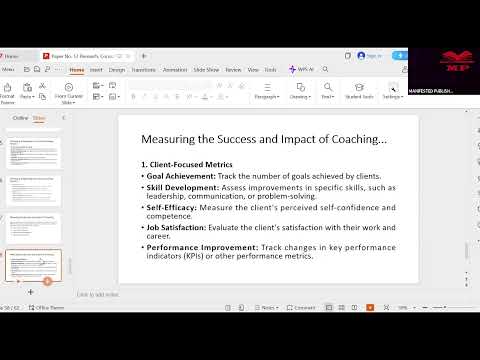
Key performance indicators (KPIs) are essential for measuring success in coaching. As discussed in KPIs for Coaching, common KPIs include client engagement, progress towards goals, and overall satisfaction. Coaches can use Coaching Software to track client data and monitor progress over time. By analyzing KPIs, coaches can identify areas of strength and weakness, and develop targeted strategies to improve client outcomes, as noted in Coaching Strategies. Coaching evaluation also involves ongoing feedback and communication, as outlined in Coaching Feedback. This helps to ensure that clients are progressing towards their goals and making meaningful changes. By using data-driven approaches, coaches can refine their strategies and improve client outcomes, as explored in Data-Driven Coaching.
💻 Digital Tools for Coaching Evaluation
Digital tools have revolutionized the coaching evaluation process, providing coaches with a range of options for tracking client data and monitoring progress. As discussed in Digital Coaching Tools, popular digital tools include coaching software, mobile apps, and online platforms. Coaches can use Coaching Apps to track client progress, provide feedback, and communicate with clients. By leveraging digital tools, coaches can streamline the evaluation process, reduce administrative burdens, and focus on high-touch coaching services, as noted in High-Touch Coaching. Coaching evaluation is an ongoing process that requires regular monitoring and adjustment, as explored in Coaching Process. Digital tools can help coaches to identify areas of improvement and optimize the coaching process, as outlined in Coaching Optimization.
📊 Data-Driven Decision Making
Data-driven decision making is critical in coaching evaluation, allowing coaches to make informed decisions about client care and program development. As discussed in Data-Driven Coaching, coaches can use data analytics to identify trends, patterns, and insights that inform coaching strategies. By analyzing client data, coaches can develop targeted interventions and optimize the coaching process, as noted in Coaching Interventions. Coaching evaluation also involves ongoing feedback and communication, as outlined in Coaching Communication. This helps to ensure that clients are progressing towards their goals and making meaningful changes. By using data-driven approaches, coaches can refine their strategies and improve client outcomes, as explored in Coaching Outcomes.
📈 Comparison with Similar Options
Coaching evaluation can be compared to similar options, such as Mentoring and Therapy. While these approaches share some similarities with coaching, they have distinct differences in terms of goals, methods, and outcomes. As noted in Coaching vs Mentoring, coaching is a more structured and goal-oriented process, with a focus on achieving specific outcomes. Coaching evaluation is an ongoing process that requires regular monitoring and adjustment, as explored in Coaching Process. By using data-driven approaches, coaches can refine their strategies and improve client outcomes, as discussed in Data-Driven Coaching.
👥 Practical Tips for Coaches and Clients
Practical tips for coaches and clients include setting clear goals and objectives, establishing open communication channels, and using digital tools to streamline the evaluation process. As outlined in Coaching Tips, coaches can use Coaching Checklists to ensure that clients are progressing towards their goals. Coaching evaluation is an ongoing process that requires regular monitoring and adjustment, as explored in Coaching Process. By using data-driven approaches, coaches can refine their strategies and improve client outcomes, as discussed in Data-Driven Coaching. Coaches can also use Coaching Templates to develop targeted strategies and interventions, as noted in Coaching Strategies.
📝 Getting Started with Coaching Evaluation
Getting started with coaching evaluation involves setting clear goals and objectives, establishing open communication channels, and selecting digital tools to support the evaluation process. As discussed in Coaching Evaluation, coaches can use Coaching Software to track client data and monitor progress over time. Coaching evaluation is an ongoing process that requires regular monitoring and adjustment, as explored in Coaching Process. By using data-driven approaches, coaches can refine their strategies and improve client outcomes, as outlined in Data-Driven Coaching. Coaches can also use Coaching Apps to provide feedback and communicate with clients, as noted in Coaching Communication.
📊 Overcoming Challenges in Coaching Evaluation
Overcoming challenges in coaching evaluation requires a proactive and adaptive approach. As discussed in Coaching Challenges, common challenges include resistance to change, lack of motivation, and difficulty in setting clear goals. Coaches can use Coaching Strategies to overcome these challenges and develop targeted interventions, as noted in Coaching Interventions. Coaching evaluation is an ongoing process that requires regular monitoring and adjustment, as explored in Coaching Process. By using data-driven approaches, coaches can refine their strategies and improve client outcomes, as outlined in Data-Driven Coaching.
📈 Future of Coaching Evaluation
The future of coaching evaluation is likely to involve increased use of digital tools and data analytics, as well as a greater emphasis on personalized and adaptive coaching approaches. As discussed in Future of Coaching, coaches will need to stay up-to-date with the latest technologies and methodologies to remain effective. Coaching evaluation is an ongoing process that requires regular monitoring and adjustment, as explored in Coaching Process. By using data-driven approaches, coaches can refine their strategies and improve client outcomes, as outlined in Data-Driven Coaching. Coaches can also use Coaching Apps to provide feedback and communicate with clients, as noted in Coaching Communication.
📊 Conclusion
In conclusion, coaching evaluation is a critical component of the coaching process, allowing coaches and clients to measure progress and achieve desired outcomes. As discussed in Coaching Evaluation, effective coaching evaluation involves setting clear goals and objectives, establishing open communication channels, and using digital tools to streamline the evaluation process. By using data-driven approaches, coaches can refine their strategies and improve client outcomes, as outlined in Data-Driven Coaching. Coaching evaluation is an ongoing process that requires regular monitoring and adjustment, as explored in Coaching Process.
Key Facts
- Year
- 2022
- Origin
- International Coach Federation (ICF)
- Category
- Coaching and Development
- Type
- Concept
Frequently Asked Questions
What is coaching evaluation?
Coaching evaluation is the process of measuring progress and achieving desired outcomes in coaching. It involves setting clear goals and objectives, establishing open communication channels, and using digital tools to streamline the evaluation process. As discussed in Coaching Evaluation, effective coaching evaluation is critical for achieving success in coaching. Coaches can use Coaching Software to track client data and monitor progress over time. By using data-driven approaches, coaches can refine their strategies and improve client outcomes, as outlined in Data-Driven Coaching.
Why is coaching evaluation important?
Coaching evaluation is important because it allows coaches and clients to measure progress and achieve desired outcomes. As noted in Coaching Outcomes, coaching evaluation helps to identify areas of improvement and optimize the coaching process. Coaches can use Coaching Assessments to identify client strengths and weaknesses, and develop targeted strategies to address specific needs. By using data-driven approaches, coaches can refine their strategies and improve client outcomes, as discussed in Data-Driven Coaching. Coaching evaluation is an ongoing process that requires regular monitoring and adjustment, as explored in Coaching Process.
What are some common challenges in coaching evaluation?
Common challenges in coaching evaluation include resistance to change, lack of motivation, and difficulty in setting clear goals. As discussed in Coaching Challenges, coaches can use Coaching Strategies to overcome these challenges and develop targeted interventions. Coaching evaluation is an ongoing process that requires regular monitoring and adjustment, as explored in Coaching Process. By using data-driven approaches, coaches can refine their strategies and improve client outcomes, as outlined in Data-Driven Coaching. Coaches can also use Coaching Apps to provide feedback and communicate with clients, as noted in Coaching Communication.
How can coaches use digital tools to support coaching evaluation?
Coaches can use digital tools such as coaching software, mobile apps, and online platforms to support coaching evaluation. As discussed in Digital Coaching Tools, these tools can help coaches to track client data, monitor progress, and provide feedback. By using data-driven approaches, coaches can refine their strategies and improve client outcomes, as outlined in Data-Driven Coaching. Coaching evaluation is an ongoing process that requires regular monitoring and adjustment, as explored in Coaching Process. Coaches can also use Coaching Templates to develop targeted strategies and interventions, as noted in Coaching Strategies.
What is the future of coaching evaluation?
The future of coaching evaluation is likely to involve increased use of digital tools and data analytics, as well as a greater emphasis on personalized and adaptive coaching approaches. As discussed in Future of Coaching, coaches will need to stay up-to-date with the latest technologies and methodologies to remain effective. Coaching evaluation is an ongoing process that requires regular monitoring and adjustment, as explored in Coaching Process. By using data-driven approaches, coaches can refine their strategies and improve client outcomes, as outlined in Data-Driven Coaching. Coaches can also use Coaching Apps to provide feedback and communicate with clients, as noted in Coaching Communication.
How can coaches get started with coaching evaluation?
Coaches can get started with coaching evaluation by setting clear goals and objectives, establishing open communication channels, and selecting digital tools to support the evaluation process. As discussed in Coaching Evaluation, effective coaching evaluation involves using data-driven approaches to refine strategies and improve client outcomes. Coaches can use Coaching Software to track client data and monitor progress over time. By using data-driven approaches, coaches can refine their strategies and improve client outcomes, as outlined in Data-Driven Coaching. Coaching evaluation is an ongoing process that requires regular monitoring and adjustment, as explored in Coaching Process.
What are some best practices for coaching evaluation?
Best practices for coaching evaluation include setting clear goals and objectives, establishing open communication channels, and using digital tools to streamline the evaluation process. As discussed in Coaching Best Practices, coaches should also use data-driven approaches to refine their strategies and improve client outcomes. Coaching evaluation is an ongoing process that requires regular monitoring and adjustment, as explored in Coaching Process. Coaches can also use Coaching Templates to develop targeted strategies and interventions, as noted in Coaching Strategies. By using data-driven approaches, coaches can refine their strategies and improve client outcomes, as outlined in Data-Driven Coaching.