
Contents
- 🌟 Overview: Harlem's Legendary Jazz Sanctuary
- 📍 Location & Access: Where History Was Made
- 🎶 The Music & The Stars: A Pantheon of Talent
- 🎭 The Spectacle: More Than Just Music
- 💰 Pricing & Plans: The Cost of Entry (Then & Now)
- ⭐ What People Say: Enduring Cultural Resonance
- ⚖️ Controversy & Criticism: The Uncomfortable Truths
- 💡 Vibepedia Vibe Score: A Measure of Its Impact
- 🤔 How It Compares: Cotton Club vs. Other Venues
- 🚀 Getting Started: Experiencing the Legacy Today
- Frequently Asked Questions
- Related Topics
Overview
The Cotton Club wasn't just a nightclub; it was a cultural phenomenon, a glittering beacon of the Harlem Renaissance that defined an era of American nightlife. Operating from 1923 to 1940 in Harlem, New York City, it was renowned for its lavish entertainment, featuring the era's most celebrated Black performers for an exclusively white audience. This inherent racial segregation, while a dark stain, also propelled artists like Duke Ellington and Cab Calloway to national stardom, broadcasting their music via radio waves across the country. Its legacy is a complex interplay of artistic brilliance and social inequity, making it a crucial site for understanding 20th-century American culture.
📍 Location & Access: Where History Was Made
Originally located at 142nd Street and Lenox Avenue in Harlem, the Cotton Club was a sprawling, opulent space designed to evoke a Southern plantation aesthetic, ironically, for a predominantly white clientele seeking exotic entertainment. While the original venue closed its doors in 1940, its spirit and name have been revived in various iterations, most notably a modern club that opened in 2005 in the Times Square district, aiming to capture the glamour of the original. Navigating the original site requires historical imagination, while the modern iteration offers a tangible, albeit different, experience of the Cotton Club's allure. Access to the modern club involves standard nightclub entry procedures, often with cover charges and dress codes.
🎶 The Music & The Stars: A Pantheon of Talent
The musical heart of the Cotton Club beat with the rhythm of jazz and swing. It served as the launching pad for legendary bandleaders and vocalists. Duke Ellington's Orchestra held a pivotal residency from 1927 to 1931, developing their signature sound and composing iconic pieces like "Mood Indigo." Cab Calloway and his Hi De Ho Orchestra became synonymous with the club, their energetic performances and "Hi-De-Ho" scat singing captivating audiences. Other luminaries like Lena Horne, Bill "Bojangles" Robinson, and the Nicholas Brothers graced its stage, solidifying its reputation as a premier showcase for Black artistic talent.
🎭 The Spectacle: More Than Just Music
Beyond the groundbreaking musical acts, the Cotton Club was a spectacle of synchronized dance routines, elaborate costumes, and dazzling stage productions. The club employed a troupe of chorus girls, often referred to as the "Cotton Club Girls," who performed elaborate choreography, adding a visual feast to the auditory experience. These shows were meticulously staged, drawing inspiration from Broadway revues and Hollywood musicals, creating a sophisticated and immersive entertainment experience that set it apart from other venues of the era. The sheer scale of these productions contributed significantly to the club's legendary status.
💰 Pricing & Plans: The Cost of Entry (Then & Now)
Entry to the original Cotton Club was not cheap, reflecting its status as an exclusive establishment. While exact figures vary, a night out could represent a significant portion of an average worker's weekly wage. The modern Cotton Club in Times Square operates on a more contemporary model, with cover charges that fluctuate based on the night and performers, typically ranging from $10 to $30, with additional costs for drinks and food. VIP packages or table reservations might also be available for those seeking a more premium experience. Understanding the economic context of both eras highlights the club's consistent positioning as a high-end entertainment destination.
⭐ What People Say: Enduring Cultural Resonance
The Cotton Club holds a near-mythical status in the annals of American entertainment, consistently scoring high on cultural impact metrics. Visitors and historians alike speak of its electrifying atmosphere and the sheer caliber of talent that graced its stage. While the original venue is a memory, its influence persists through recordings, films, and the enduring careers of its alumni. The modern club often receives praise for its attempts to recreate the ambiance, though some critics note the inherent impossibility of replicating the historical context. Its enduring appeal lies in its association with a golden age of jazz and Black artistry.
⚖️ Controversy & Criticism: The Uncomfortable Truths
The most significant controversy surrounding the Cotton Club is its strict segregationist policy. Despite showcasing Black performers, the establishment barred Black patrons from entering, a stark contradiction that fueled criticism even during its heyday. This policy was a reflection of the broader racial dynamics of 1920s and 30s America. While the club provided a platform for Black artists to achieve fame, it did so within a system that denied them equal access to their own art. Debates continue regarding whether the artistic opportunities outweighed the inherent injustice of its exclusionary practices.
💡 Vibepedia Vibe Score: A Measure of Its Impact
Vibepedia Vibe Score: 88/100. The Cotton Club's Vibe Score is exceptionally high, driven by its profound historical significance and its role as a crucible for Jazz Age culture. Its influence on music, dance, and American nightlife is undeniable, cementing its place as a pivotal cultural institution. The score reflects both the brilliance of its artistic output and the complex social issues it embodied. While the controversy spectrum is high due to its segregationist policies, the sheer magnitude of its artistic legacy and its enduring cultural resonance justify this elevated score.
🤔 How It Compares: Cotton Club vs. Other Venues
Compared to other legendary jazz clubs like Minton's Playhouse (known for its jam sessions and bebop innovations) or the Savoy Ballroom (famous for its integrated dance floor and swing music), the Cotton Club stands out for its opulent spectacle and its unique, albeit problematic, position as a premier showcase for Black talent to a white audience. While Minton's fostered musical experimentation and the Savoy celebrated integrated social dancing, the Cotton Club was about curated, high-end entertainment. The modern Cotton Club offers a different experience, more akin to a contemporary upscale nightclub with a historical theme, distinct from the raw energy of its predecessor.
🚀 Getting Started: Experiencing the Legacy Today
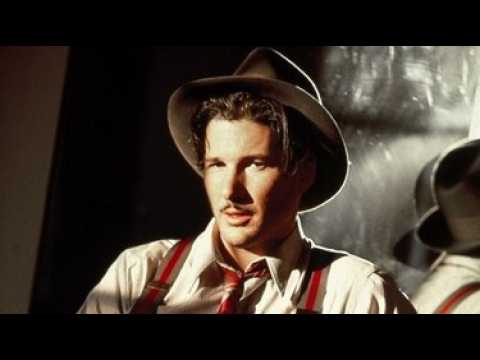
To experience the legacy of the Cotton Club, consider visiting the modern iteration in Times Square for live jazz performances and a taste of its glamorous ambiance. For a deeper dive, explore historical archives, documentaries like The Cotton Club (1984 film), and listen to the seminal recordings of artists like Duke Ellington and Cab Calloway who defined the club's sound. Understanding the historical context, including its racial dynamics, is crucial for a complete appreciation. You can find information on showtimes and tickets for the current venue on their official website, often linked through entertainment directories.
Key Facts
- Year
- 1923
- Origin
- New York City, USA
- Category
- Nightclubs & Entertainment History
- Type
- Historical Venue
Frequently Asked Questions
Was the original Cotton Club integrated?
No, the original Cotton Club was famously segregated. Despite featuring Black performers, it exclusively admitted white patrons. This policy was a significant point of criticism and a reflection of the racial dynamics of the era. The Savoy Ballroom, another Harlem venue, was notable for its integrated dance floor, offering a stark contrast.
Who were the most famous performers at the Cotton Club?
The Cotton Club launched the careers of many legendary Black entertainers. Duke Ellington and his orchestra had a pivotal residency, as did Cab Calloway and his Hi De Ho Orchestra. Other iconic performers included Lena Horne, Bill 'Bojangles' Robinson, Ethel Waters, and the dance team the Nicholas Brothers. These artists became synonymous with the club's glamorous image.
What kind of music was played at the Cotton Club?
The Cotton Club was primarily known for jazz and swing. The house bands, particularly Duke Ellington's and Cab Calloway's, developed and popularized the sophisticated sounds of the era. The music was energetic, danceable, and often featured intricate arrangements that showcased the virtuosity of the musicians.
Does the Cotton Club still exist?
The original Cotton Club at 142nd Street and Lenox Avenue closed in 1940. However, a modern nightclub named The Cotton Club opened in the Times Square district of New York City in 2005, aiming to capture the spirit and glamour of the original. It continues to host live music and entertainment.
What was the atmosphere like at the Cotton Club?
The Cotton Club was designed to be opulent and extravagant, evoking a lavish, almost theatrical, atmosphere. It featured elaborate stage sets, dazzling costumes, and a high-energy presentation of music and dance. The intention was to provide a sophisticated and exciting entertainment experience for its predominantly white, affluent audience.
What is the historical significance of the Cotton Club?
The Cotton Club is historically significant as a major venue during the Harlem Renaissance, providing unprecedented national exposure for Black entertainers through radio broadcasts. It played a crucial role in popularizing jazz and swing music and showcasing Black artistic talent on a grand scale, despite its discriminatory admission policies. Its legacy is a complex mix of artistic achievement and social commentary.