
Contents
Overview
The electrical grid is a complex network that delivers electricity from producers to consumers, encompassing generation, transmission, and distribution systems. Historically rooted in the late 19th century with Thomas Edison's first commercial power plant, the grid has evolved into a sophisticated system integrating renewable energy sources and smart technology. Key debates center around grid reliability, cybersecurity, and the transition to sustainable energy. As the demand for electricity surges, the future of the grid hinges on innovation, investment, and regulatory frameworks that can adapt to changing energy landscapes.
⚡ What is the Electrical Grid?
The electrical grid is the backbone of modern civilization, an intricate web that delivers electricity from where it's generated to where it's consumed. Think of it as the circulatory system for power, ensuring that lights stay on, factories hum, and digital life thrives. Without this interconnected network, our world would grind to a halt. It's a complex system designed for efficiency and reliability, though its very complexity presents ongoing challenges. Understanding its fundamental structure is key to grasping the energy landscape.
🗺️ Scale and Scope
Grids aren't monolithic; they span vast geographical areas. Some are national, like the US power grid, while others are continental, such as the European grid. The scale dictates the complexity of management and the potential impact of disruptions. A failure in a small, isolated grid might affect a few thousand people, whereas a widespread outage in a large interconnected system can impact millions. This vastness is both a strength, allowing for power sharing, and a vulnerability.
🏗️ Components of the Grid
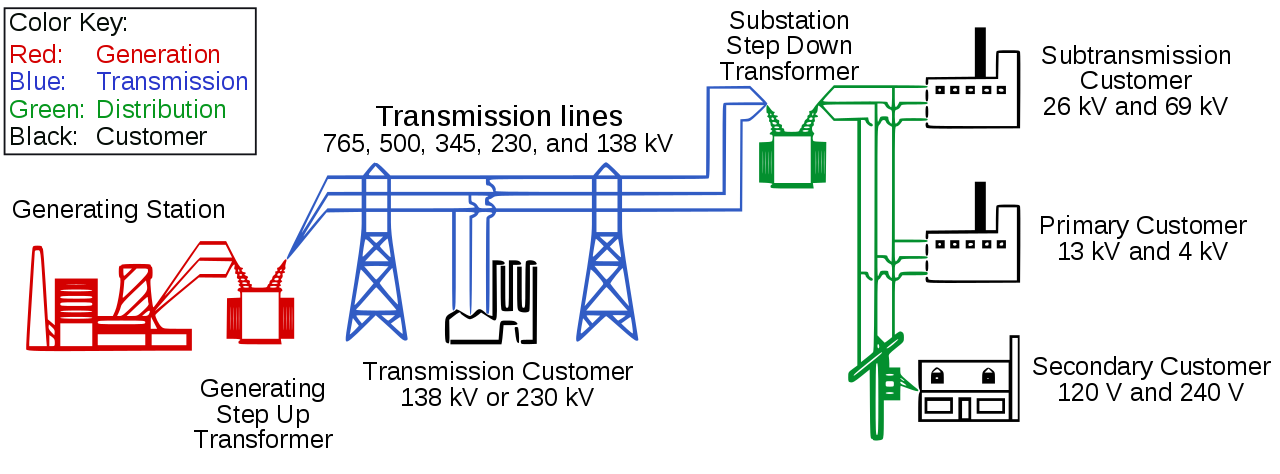
At its core, the grid comprises several critical elements. Power stations are the origin points, housing generators that convert various energy sources—coal, natural gas, nuclear, solar, wind—into electricity. Electrical substations are crucial nodes, acting as voltage transformers. They step up voltage for long-distance electric power transmission lines to minimize energy loss, and then step it down again for local electric power distribution to homes and businesses. This precise voltage management is an engineering marvel.
💡 How Power Flows
The journey of electricity is a one-way street, from generation to consumption. Power flows from power stations, often located near fuel sources or renewable energy potential, across high-voltage transmission lines. These lines carry electricity efficiently over hundreds or thousands of miles. As power approaches its destination, substations reduce the voltage in stages. Finally, distribution lines, the familiar poles and wires in neighborhoods, deliver electricity at the service voltage required by appliances and devices.
🔌 Grid Types: From Local to Global
Grids come in various sizes and configurations. Microgrids are localized systems that can operate independently or connect to the main grid, offering enhanced resilience. Wide area synchronous grids are large, interconnected networks where all generators operate in sync, like the Eastern Interconnection in North America. Super grids represent an ambitious vision of even larger, continent-spanning networks designed for maximum efficiency and reliability, often integrating diverse renewable energy sources.
📈 The Grid's Evolution
The electrical grid has a rich history, evolving from localized DC systems in the late 19th century to the massive AC networks we rely on today. Early pioneers like Nikola Tesla and George Westinghouse championed alternating current (AC) over direct current (DC), enabling long-distance transmission and the growth of centralized power generation. The grid's expansion mirrored industrialization and urbanization, constantly adapting to meet growing demand and technological advancements.
🔒 Grid Reliability and Security
Ensuring the grid's reliability and security is paramount. Blackouts and brownouts can have devastating economic and social consequences. Modern grids face threats from extreme weather events, aging infrastructure, and cyberattacks. Investments in grid modernization, including smart grid technologies, advanced monitoring systems, and cybersecurity measures, are crucial to maintaining a stable and secure power supply for millions. The North American Electric Reliability Corporation (NERC) sets standards to ensure grid reliability.
🌍 Global Grid Connections
While many national grids are largely independent, there's a growing trend towards international grid connections. These interconnections allow countries to share electricity, balance supply and demand, and integrate renewable energy more effectively. For example, extensive cross-border transmission lines link European countries, enabling power trading and enhancing grid stability. Such connections, however, also introduce complexities in governance and operational coordination.
💰 Cost and Investment
The cost of building, maintaining, and upgrading the electrical grid is substantial. Investments are required for new power generation facilities, transmission lines, substations, and advanced control systems. Funding typically comes from a mix of private investment, government subsidies, and consumer rates. The transition to cleaner energy sources and the integration of distributed energy resources like rooftop solar necessitate significant capital expenditure, raising questions about equitable cost allocation.
🤔 Debates and Future Directions
The future of the grid is a subject of intense debate. Key discussions revolve around the pace of decarbonization, the role of distributed energy resources, and the potential for a decentralized grid. Will super grids become the norm, or will microgrids offer greater resilience? How can the grid adapt to the intermittency of renewables like wind power and solar power? These questions shape the ongoing transformation of our energy infrastructure.
Key Facts
- Year
- 2023
- Origin
- Late 19th Century
- Category
- Energy Infrastructure
- Type
- Infrastructure
Frequently Asked Questions
What is the difference between transmission and distribution?
Transmission lines carry electricity at very high voltages over long distances from power plants to substations. Distribution lines then carry electricity at lower voltages from substations to individual homes and businesses. Think of transmission as the highway system for electricity and distribution as the local roads.
Why is voltage stepped up for transmission?
Voltage is stepped up to very high levels for transmission to reduce energy loss. Higher voltage means lower current for the same amount of power (Power = Voltage x Current). Lower current significantly reduces the resistive losses (heat) in the transmission wires over long distances, making the system much more efficient.
What are the main causes of power outages?
Power outages can be caused by a variety of factors, including severe weather (storms, ice, heatwaves), equipment failures (aging infrastructure, transformer issues), accidents (vehicle collisions with poles), and increasingly, cyberattacks targeting grid control systems. Planned maintenance can also lead to temporary outages.
What is a microgrid and why is it important?
A microgrid is a localized energy grid that can disconnect from the traditional grid and operate autonomously. They are important for enhancing resilience, especially for critical facilities like hospitals or military bases, and can integrate renewable energy sources more effectively. They can also provide power during widespread outages on the main grid.
How does the grid handle renewable energy sources like solar and wind?
Integrating intermittent renewables like solar and wind presents challenges because their output fluctuates. The grid manages this through a combination of forecasting, grid-scale energy storage (batteries), flexible generation from other sources, and advanced grid management technologies that can quickly adjust supply to meet demand. Interconnections with other grids also help balance supply.
What is the 'smart grid'?
The 'smart grid' refers to an modernized electrical grid that uses digital communication technology to detect and react to local changes in usage. It allows for two-way communication between the utility and its customers, enabling better monitoring, control, and efficiency. This includes features like smart meters, demand response programs, and automated outage detection.