
Contents
- 🔍 Introduction to Rheumatoid Arthritis
- 👥 The Autoimmune Enigma: Understanding RA
- 🔬 The Science Behind Inflammation
- 🤕 Symptoms and Diagnosis: What to Expect
- 🚨 Complications and Comorbidities: The Bigger Picture
- 💊 Treatment Options: Managing the Disease
- 👨💻 The Role of Lifestyle in Managing RA
- 🔮 The Future of Rheumatoid Arthritis Research
- 📊 Statistics and Trends: Understanding the Prevalence
- 🌎 Global Impact: How RA Affects Different Populations
- 🤝 Patient Support and Advocacy: Breaking the Silence
- 📚 Conclusion: The Ongoing Quest for a Cure
- Frequently Asked Questions
- Related Topics
Overview
Rheumatoid arthritis (RA) is a chronic autoimmune disorder that affects over 1.3 million people in the United States alone, with women being three times more likely to develop the disease than men. The exact cause of RA remains unknown, but research suggests that it is triggered by a combination of genetic and environmental factors, including smoking, obesity, and certain infections. The disease is characterized by inflammation and pain in the joints, which can lead to permanent damage and disability if left untreated. According to the Arthritis Foundation, the annual cost of RA in the US is estimated to be over $19 billion. Despite the challenges, advances in treatment options, such as biologic therapies and disease-modifying antirheumatic drugs (DMARDs), have improved the quality of life for many patients. However, controversy surrounding the high cost of these medications and the need for more effective and accessible treatments continues to be a topic of debate. As researchers continue to explore new avenues for treatment and prevention, the RA community remains hopeful for a future with fewer symptoms and more possibilities.
🔍 Introduction to Rheumatoid Arthritis
Rheumatoid arthritis (RA) is a complex and multifaceted disease that affects millions of people worldwide. According to the National Rheumatoid Arthritis Society, RA is a long-term autoimmune disorder that primarily affects joints, causing warm, swollen, and painful joints. The disease may also affect other parts of the body, including skin, eyes, lungs, heart, nerves, and blood. For example, patients with RA are at a higher risk of developing osteoporosis, which can lead to brittle bones and increased risk of fractures. To manage the disease, patients often work with a rheumatologist to develop a personalized treatment plan.
👥 The Autoimmune Enigma: Understanding RA
The autoimmune enigma of RA is still not fully understood, but research suggests that it is triggered by a combination of genetic and environmental factors. The immune system plays a crucial role in the development of RA, as it mistakenly attacks the lining of the joints, leading to inflammation and damage. This can result in a low red blood cell count, inflammation around the lungs, and inflammation around the heart. Patients with RA often experience fatigue and low energy, which can significantly impact their quality of life. To manage these symptoms, patients may work with a physical therapist to develop a personalized exercise plan.
🔬 The Science Behind Inflammation
The science behind inflammation is complex and involves a delicate balance of pro-inflammatory and anti-inflammatory signals. In RA, the balance is disrupted, leading to chronic inflammation and tissue damage. The inflammatory response is mediated by a variety of cells and molecules, including T cells and cytokines. Understanding the molecular mechanisms underlying RA is crucial for the development of effective treatments. For example, researchers are exploring the use of biologics to target specific molecules involved in the inflammatory response.
🤕 Symptoms and Diagnosis: What to Expect
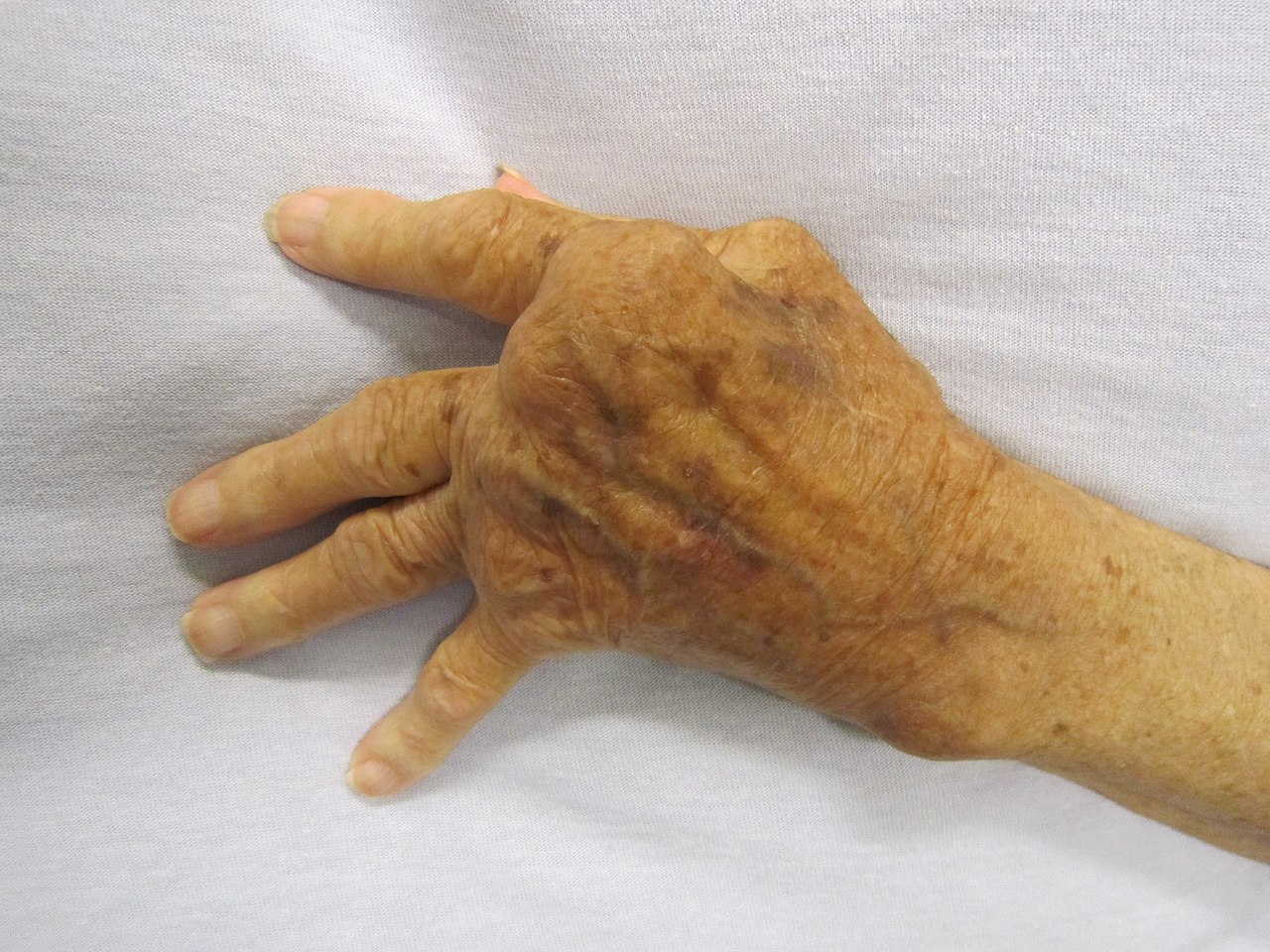
Symptoms of RA can vary from person to person, but often include warm, swollen, and painful joints, particularly in the hands and wrists. The disease may also affect other parts of the body, including the skin, eyes, lungs, heart, nerves, and blood. A diagnosis of RA is typically made based on a combination of clinical evaluation, laboratory tests, and imaging studies. For example, a rheumatoid factor test can help diagnose RA, while a joint aspiration can help assess the level of inflammation in the joints.
🚨 Complications and Comorbidities: The Bigger Picture
Complications and comorbidities are a significant concern in RA, as the disease can increase the risk of developing other conditions, such as heart disease and lungs disease. Patients with RA are also at a higher risk of developing infections, particularly if they are taking immunosuppressive medications. To manage these risks, patients often work with a primary care physician to develop a comprehensive treatment plan. For example, patients may need to receive regular vaccinations to prevent infections.
💊 Treatment Options: Managing the Disease
Treatment options for RA have improved significantly in recent years, with a range of medications and therapies available to manage the disease. Disease-modifying anti-rheumatic drugs (DMARDs) are often used to slow the progression of the disease, while biologics can help reduce inflammation and prevent joint damage. In addition to medication, patients may also benefit from physical therapy and occupational therapy to improve joint function and mobility.
👨💻 The Role of Lifestyle in Managing RA
Lifestyle plays a critical role in managing RA, with a healthy diet, regular exercise, and stress management all contributing to improved symptoms and quality of life. A balanced diet rich in fruits, vegetables, and whole grains can help reduce inflammation, while regular exercise can help improve joint function and mobility. Patients with RA may also benefit from stress management techniques, such as meditation and yoga, to reduce stress and improve overall well-being.
🔮 The Future of Rheumatoid Arthritis Research
The future of RA research is promising, with a range of new treatments and therapies in development. Stem cell therapy and gene therapy are two areas of research that hold particular promise, as they may offer new ways to repair or replace damaged tissues. In addition, researchers are exploring the use of artificial intelligence and machine learning to improve diagnosis and treatment of RA.
📊 Statistics and Trends: Understanding the Prevalence
According to the World Health Organization, RA affects approximately 1% of the global population, with women being three times more likely to develop the disease than men. The disease can have a significant impact on quality of life, with many patients experiencing disability and reduced productivity. To address these challenges, patients often work with a social worker to develop a comprehensive support plan.
🌎 Global Impact: How RA Affects Different Populations
The global impact of RA is significant, with the disease affecting people of all ages and backgrounds. In some countries, RA is more prevalent due to genetic and environmental factors, while in others, access to healthcare and treatment may be limited. To address these disparities, global health initiatives are working to improve access to care and reduce the burden of RA worldwide.
🤝 Patient Support and Advocacy: Breaking the Silence
Patient support and advocacy are critical in breaking the silence surrounding RA, with many organizations and charities working to raise awareness and improve support for patients. The Arthritis Foundation is one example of an organization that provides education, research, and advocacy for patients with RA. Patients can also connect with others who have RA through online support groups and forums.
📚 Conclusion: The Ongoing Quest for a Cure
In conclusion, RA is a complex and multifaceted disease that requires a comprehensive approach to management and treatment. While significant progress has been made in understanding the disease, there is still much to be learned. By continuing to support research and advocacy, we can work towards a future where RA is no longer a debilitating and life-altering condition. For example, researchers are exploring the use of personalized medicine to develop tailored treatment plans for patients with RA.
Key Facts
- Year
- 2022
- Origin
- First described by French physician Augustin Jacob Landré-Beauvais in 1800
- Category
- Health and Medicine
- Type
- Disease
Frequently Asked Questions
What are the symptoms of rheumatoid arthritis?
The symptoms of RA can vary from person to person, but often include warm, swollen, and painful joints, particularly in the hands and wrists. The disease may also affect other parts of the body, including the skin, eyes, lungs, heart, nerves, and blood. A diagnosis of RA is typically made based on a combination of clinical evaluation, laboratory tests, and imaging studies. For example, a rheumatoid factor test can help diagnose RA, while a joint aspiration can help assess the level of inflammation in the joints.
How is rheumatoid arthritis diagnosed?
A diagnosis of RA is typically made based on a combination of clinical evaluation, laboratory tests, and imaging studies. The rheumatologist will assess the patient's medical history, perform a physical examination, and order laboratory tests, such as a rheumatoid factor test and a complete blood count. Imaging studies, such as X-rays and magnetic resonance imaging (MRI), may also be used to assess joint damage and inflammation.
What are the treatment options for rheumatoid arthritis?
Treatment options for RA have improved significantly in recent years, with a range of medications and therapies available to manage the disease. Disease-modifying anti-rheumatic drugs (DMARDs) are often used to slow the progression of the disease, while biologics can help reduce inflammation and prevent joint damage. In addition to medication, patients may also benefit from physical therapy and occupational therapy to improve joint function and mobility.
Can rheumatoid arthritis be cured?
Currently, there is no cure for RA, but with proper treatment and management, patients can experience significant improvement in symptoms and quality of life. The goal of treatment is to reduce inflammation, prevent joint damage, and improve function and mobility. In some cases, patients may experience a period of remission, during which symptoms are minimal or absent. However, the disease can still be active, and patients should continue to work with their rheumatologist to manage the disease and prevent flare-ups.
How can I manage my rheumatoid arthritis?
Managing RA requires a comprehensive approach that includes medication, lifestyle changes, and support. Patients should work with their rheumatologist to develop a personalized treatment plan, which may include DMARDs, biologics, and other medications. In addition, patients can benefit from a healthy diet, regular exercise, and stress management techniques, such as meditation and yoga. Patients should also stay connected with their healthcare team and attend regular follow-up appointments to monitor the disease and adjust treatment as needed.
What are the complications of rheumatoid arthritis?
Complications and comorbidities are a significant concern in RA, as the disease can increase the risk of developing other conditions, such as heart disease and lungs disease. Patients with RA are also at a higher risk of developing infections, particularly if they are taking immunosuppressive medications. To manage these risks, patients often work with a primary care physician to develop a comprehensive treatment plan. For example, patients may need to receive regular vaccinations to prevent infections.
Can I still work with rheumatoid arthritis?
Many people with RA are able to continue working, but it may require some adjustments to the work environment and schedule. Patients should work with their rheumatologist and occupational therapist to develop a plan that accommodates their needs and abilities. This may include flexible work hours, ergonomic modifications to the workspace, and regular breaks to rest and stretch. Patients may also be eligible for disability benefits if they are unable to work due to their condition.