
Contents
Overview
The Transportation Security Administration (TSA) is the U.S. federal agency tasked with ensuring security in all modes of transportation, with a primary focus on aviation. Established in the wake of the September 11, 2001, terrorist attacks, the TSA's mission is to protect the nation's transportation systems from threats. This involves a vast array of security measures, from passenger and baggage screening at airports to securing freight and public transit. The agency's operations are a constant balancing act between security efficacy and passenger experience, often sparking debate about privacy, efficiency, and the effectiveness of its methods. Understanding the TSA is crucial for any traveler navigating the complexities of modern air travel.
✈️ What is the TSA?
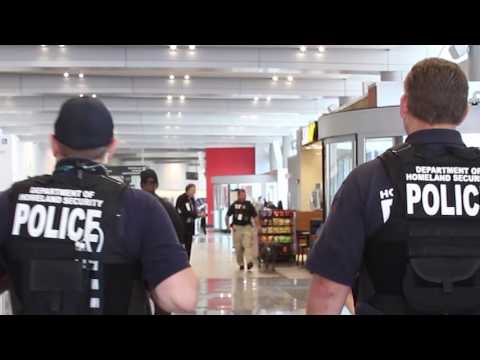
The TSA is a federal agency within the Department of Homeland Security (DHS) tasked with ensuring security in all modes of transportation, primarily air travel. Established in the wake of the September 11, 2001, terrorist attacks, its mandate is to prevent acts of violence and terrorism by screening passengers, baggage, and cargo. The TSA's reach extends beyond airports, encompassing maritime, rail, and road transportation, though its most visible operations are at the nation's airports. Understanding its role is crucial for any traveler navigating the complexities of modern transit.
📍 Where to Find TSA Services
TSA services are predominantly encountered at US Airports. You'll interact with TSA officers at security checkpoints within terminals before proceeding to your gate. While the TSA's headquarters is in Arlington, Virginia, its operational presence is decentralized, with officers stationed at over 440 airports nationwide. Beyond airports, the TSA also oversees security for Amtrak and certain Public Transit Security, though these interactions are less frequent for the average traveler.
⏰ Hours of Operation
TSA security checkpoints at airports operate according to airline schedules and passenger volume, generally opening early in the morning and closing late at night. Specific hours can vary significantly by airport and even by terminal within a single airport. It's advisable to check the TSA's website or your specific airport's information for the most current operating hours, especially for early morning or late-night flights. Some smaller airports may have limited hours, potentially impacting flight departures.
💰 Fees & Costs
For the average traveler, there are no direct fees or costs associated with TSA screening itself. The agency is funded through federal appropriations. However, certain TSA programs, like TSA Pre✓®, offer expedited screening for a fee. This program requires an application and background check, with a five-year membership costing $85. While not mandatory, it's a popular option for frequent flyers seeking to bypass some of the more rigorous screening procedures.
⭐ What Travelers Say
Traveler feedback on the TSA is a mixed bag, often reflecting the stress of the travel process itself. Many appreciate the perceived security enhancements the agency provides, especially in the post-9/11 era. However, criticisms frequently arise regarding inconsistent application of rules, long wait times at checkpoints, and the perceived intrusiveness of screening procedures. TSA Traveler Satisfaction often highlight these points, with Vibe scores fluctuating based on operational efficiency and public perception.
⚖️ TSA vs. Other Security Measures
Compared to pre-TSA security measures, the agency represents a significant federalization and standardization of transportation security. Before the TSA, airport security was largely managed by private companies contracted by individual airlines, leading to varied standards. The TSA brought a unified approach, implementing technologies like Advanced Imaging Technology (body scanners) and standardized baggage screening protocols. While other countries have their own security agencies, the TSA's model is a direct response to unique American security concerns.
💡 Insider Tips for Smoother Screening
To navigate TSA checkpoints smoothly, preparation is key. Familiarize yourself with the 3-1-1 Liquids Rule for carry-on baggage, ensuring liquids, gels, and aerosols are in containers 3.4 ounces or less and placed in a single quart-sized clear bag. Pack electronics larger than a cell phone separately, as they often need to be removed from your bag. Arrive at the airport with ample time, especially if you are not enrolled in TSA Pre✓®. Understanding prohibited items can also prevent delays.
📞 How to Contact the TSA
The TSA provides multiple channels for inquiries and feedback. For general questions about travel policies, prohibited items, or specific screening procedures, the TSA Cares offers assistance for travelers with disabilities or medical conditions. You can reach the TSA Contact Center via phone or online forms. For reporting issues or providing feedback, official channels are available on the TSA website, allowing for direct communication with the agency regarding your travel experiences.
Key Facts
- Year
- 2001
- Origin
- United States
- Category
- Government Agencies & Public Services
- Type
- Government Agency
Frequently Asked Questions
What is the TSA's primary mission?
The TSA's primary mission is to ensure the security of the traveling public in the United States. This involves protecting transportation systems from acts of terrorism and violence through screening passengers, baggage, cargo, and personnel across various modes of transportation, with a strong emphasis on aviation.
Can I bring liquids in my carry-on bag?
Yes, you can bring liquids, gels, and aerosols in your carry-on bag, but they must adhere to the TSA's 3-1-1 Liquids Rule. Each container must be 3.4 ounces (100 milliliters) or less, all containers must fit in one quart-sized, clear, zip-top bag, and one bag per passenger. Exemptions exist for medically necessary liquids and infant/child nourishment.
What is TSA PreCheck and how does it work?
TSA PreCheck is a trusted traveler program that allows eligible individuals to receive expedited screening at participating airports. Members typically do not need to remove their shoes, belts, or jackets, and can leave their laptops and liquids in their carry-on bags. It requires an application, background check, and a fee for a five-year membership.
What items are prohibited by the TSA?
Prohibited items vary by carry-on and checked baggage. Common prohibited items in carry-on bags include firearms, explosives, sharp objects (like knives, except for small scissors with blades less than 4 inches), and flammable liquids. Checked baggage has different restrictions, but firearms must be declared and properly stored. Always check the TSA's 'What Can I Bring?' tool online for specific items.
How does the TSA handle travelers with disabilities or medical conditions?
The TSA Cares program is available to assist travelers with disabilities or medical conditions. You can contact TSA Cares 72 hours in advance of your flight to discuss your specific needs and receive information about what to expect at the security checkpoint. TSA officers are trained to provide assistance and accommodate travelers with special requirements.
Where can I find information about TSA policies for specific airports?
While TSA policies are largely standardized nationwide, specific airport procedures or wait times can vary. The best resource is the official TSA website, which often provides links to individual airport information or has a 'What to Expect at My Airport' feature. Checking your specific airline's or airport's website is also recommended.