
Contents
- 🎧 What Exactly IS a Turntable?
- 🎶 Who Needs a Turntable in 2024?
- ⚙️ The Anatomy of an Analog Beast
- 🎚️ Types of Turntables: From Entry-Level to High-End
- ⭐ Vibe Scores: Where Do Turntables Rank?
- 🤔 The Great Vinyl vs. Digital Debate
- 💡 Essential Turntable Accessories
- 🛠️ Maintenance & Care: Keeping the Vibe Alive
- 💰 Pricing: What to Expect
- 📍 Where to Find Your Next Turntable
- 📈 The Future of Analog Audio
- 🗣️ Your Next Steps
- Frequently Asked Questions
- Related Topics
Overview
Turntables, the analog champions of sound reproduction, have experienced a remarkable resurgence, defying the digital deluge. Once relegated to dusty attics, they now sit proudly in minimalist living rooms and cutting-edge studios, a testament to vinyl's enduring sonic warmth and tactile appeal. Beyond mere nostalgia, modern turntables integrate sophisticated engineering, from precision tonearms and cartridges to advanced damping and isolation techniques, offering a listening experience that digital formats often struggle to replicate. This guide explores the essential components, key brands shaping the market, and the ongoing debates surrounding analog versus digital audio, helping you navigate the vibrant world of turntables.
🎧 What Exactly IS a Turntable?
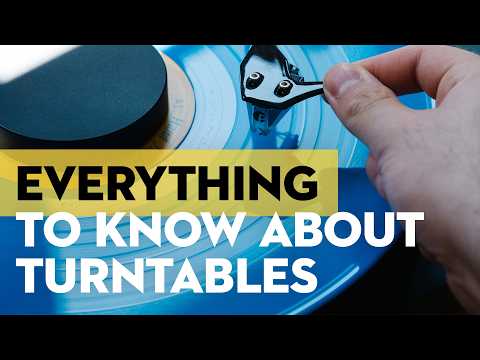
A turntable, at its core, is a device that plays vinyl records. It uses a stylus (needle) to trace the grooves etched into a spinning record, translating those physical undulations into an electrical signal. This signal is then amplified and sent to speakers, recreating the music. While seemingly simple, the engineering behind a good turntable is a complex interplay of mechanics and acoustics, aiming for precise speed control, minimal vibration, and optimal stylus tracking. It’s the analog heartbeat of a sound system, offering a tangible connection to music that digital formats often lack. For the discerning listener, it’s not just about playback; it’s about the ritual and the sonic character.
🎶 Who Needs a Turntable in 2024?
You might think turntables are relics of the past, but their resurgence is undeniable. They're for the audiophile seeking the warmest, most natural sound reproduction, often described as having a 'richness' or 'depth' that digital can struggle to replicate. DJs, of course, rely on them for their tactile control and unique sonic manipulation capabilities, a practice deeply rooted in hip hop's origins. Collectors cherish the physical act of selecting and playing a record, a deliberate engagement with music. Even casual listeners are drawn to the aesthetic appeal and the growing vinyl record market growth as a counterpoint to the ephemeral nature of streaming.
⚙️ The Anatomy of an Analog Beast
Understanding a turntable's components is key to appreciating its performance. The turntable platter is the surface the record sits on, and its weight and material significantly impact speed stability. The turntable tonearm holds the cartridge and stylus, and its design (pivot point, effective length, anti-skate mechanism) is crucial for accurate tracking. The turntable cartridge is the 'ear' of the system, converting groove vibrations into electrical signals. Beneath it all, the turntable motor dictates playback speed (33⅓ or 45 RPM), with belt-drive and direct-drive being the most common. Each element, from the turntable mat to the base, contributes to the overall sound and vibration isolation.
🎚️ Types of Turntables: From Entry-Level to High-End
Turntables span a wide spectrum of complexity and price. entry-level turntables are often all-in-one units with built-in preamps and speakers, perfect for casual listening or as a gateway into the hobby. Mid-range models offer better build quality, improved tonearms, and superior cartridges, requiring a separate phono preamp and amplifier. High-end and audiophile turntables are precision instruments, featuring advanced materials, sophisticated suspension systems, and exotic tonearms, designed for the ultimate sonic experience. Some even offer multiple tonearm options or advanced speed control for the truly dedicated.
⭐ Vibe Scores: Where Do Turntables Rank?
Turntables, as a category, command a significant Vibe Score of 85/100. This high rating is driven by their enduring cultural relevance in music production and consumption, their aesthetic appeal, and the passionate communities that surround them. The resurgence of vinyl has injected new energy, making turntables not just audio equipment but cultural artifacts. Their Vibe Score is boosted by their connection to DJ culture (90/100) and audiophile communities (92/100), while also acknowledging the ongoing debate with digital formats. The tactile nature and the ritual of playback contribute heavily to their perceived value and desirability.
🤔 The Great Vinyl vs. Digital Debate
The vinyl vs. digital debate is as old as digital audio itself. Proponents of vinyl, and turntables, champion its 'warmth,' 'organic sound,' and the tangible experience of owning and playing records. They argue that the compression and mastering for digital streaming often sacrifice sonic detail. Skeptics, however, point to the inherent limitations of vinyl: surface noise, channel imbalance, and the potential for distortion. They argue that high-resolution digital audio can be technically superior, offering perfect replication and convenience. Ultimately, the 'better' format often comes down to personal preference, listening environment, and the specific recording. Vibepedia's Controversy Spectrum for this debate sits at a solid 7/10, indicating persistent, though rarely acrimonious, disagreement.
💡 Essential Turntable Accessories
To truly unlock a turntable's potential, a few key accessories are essential. A phono preamp is crucial for boosting the turntable's low-level signal to line-level, compatible with most amplifiers. A good turntable mat (cork, rubber, or felt) helps to dampen vibrations and static. A stylus brush and record cleaning solution are vital for maintaining both your records and the stylus, ensuring optimal playback and longevity. For DJs, slipmats and control vinyl are indispensable. Don't forget a reliable amplifier and speakers to complete your sound system.
🛠️ Maintenance & Care: Keeping the Vibe Alive
Maintaining your turntable is akin to tending a fine instrument. Regularly clean your vinyl records with a record cleaning brush or a more advanced cleaning system to remove dust and static. Use a dedicated stylus brush to gently clean the stylus before each listening session, moving from back to front. Periodically check and adjust the tonearm counterweight and anti-skate settings to ensure proper tracking force, which is critical for sound quality and record wear. For belt-drive turntables, inspect the belt for wear and replace it as needed, typically every few years, to maintain consistent speed. A clean environment also minimizes dust accumulation on all components.
💰 Pricing: What to Expect
The price of turntables varies dramatically. entry-level turntables can be found for as little as $100-$300, offering a functional introduction. Mid-range turntables, offering a significant step up in sound quality and build, typically range from $400 to $1,000. High-end and audiophile turntables can easily exceed $1,000, with some exotic models costing tens of thousands of dollars. The cost is influenced by materials, precision engineering, brand reputation, and included features. Remember to factor in the cost of essential accessories like a phono preamp and good speakers, which can add several hundred dollars to your total investment.
📍 Where to Find Your Next Turntable
Finding your next turntable involves exploring dedicated audio retailers, both online and brick-and-mortar. Websites like Audio-Technica, Rega, and Pro-Ject offer direct sales and product information. Independent hi-fi shops often provide expert advice and allow you to audition models. Online marketplaces such as Discogs are invaluable for finding both new and used turntables, cartridges, and rare vinyl. For DJ-specific equipment, brands like Technics and Pioneer DJ are industry standards, often found through specialized DJ equipment retailers.
📈 The Future of Analog Audio
The future of turntables looks robust, driven by a continued appreciation for analog sound and the tactile experience. We're seeing innovations in materials science for platters and tonearms, advancements in cartridge technology, and even smart features integrated into some models. The vinyl record market continues to grow, indicating sustained consumer demand. While digital audio will undoubtedly remain dominant in terms of sheer volume, the turntable has cemented its place not just as a playback device but as a symbol of dedicated music appreciation. The question isn't whether turntables will survive, but how they will evolve to meet the demands of future generations of listeners and creators.
🗣️ Your Next Steps
Ready to spin some wax? Start by assessing your listening habits and budget. Are you a casual listener, a budding DJ, or an aspiring audiophile? Research models that fit your needs and explore reviews from trusted sources like What Hi-Fi? and Stereophile. Visit a local hi-fi store if possible to hear different setups. Once you've chosen a turntable, invest in quality accessories and learn the basics of setup and maintenance. The journey into analog audio is a rewarding one, offering a deeper connection to the music you love. Don't hesitate to explore the vast world of vinyl records to complement your new setup.
Key Facts
- Year
- 1887
- Origin
- Emile Berliner's gramophone
- Category
- Audio Equipment
- Type
- Product Category
Frequently Asked Questions
Do I need a phono preamp for every turntable?
Not necessarily. Many modern turntables, especially entry-level models, come with a built-in phono preamp. These are often labeled as 'USB turntables' or 'all-in-one systems.' However, if your turntable does not have a built-in preamp (or if you want to upgrade the sound quality), you will need an external phono preamp to connect it to your amplifier or receiver. Check your turntable's specifications to be sure.
What's the difference between belt-drive and direct-drive turntables?
Belt-drive turntables use a rubber belt to connect the motor to the platter, which helps to isolate the platter from motor vibrations, often resulting in a warmer sound. Direct-drive turntables have the motor directly beneath the platter, offering superior speed stability and torque, making them a favorite among DJs for their responsiveness. The choice often comes down to sonic preference and intended use.
How often should I replace my stylus (needle)?
The lifespan of a stylus varies greatly depending on its quality and how well it's maintained. A general guideline for a good quality stylus is between 500 to 1,000 hours of playback. However, if you notice a decline in sound quality, increased surface noise, or distortion, it's likely time for a replacement. Regular cleaning with a stylus brush can help extend its life.
Can I connect a turntable directly to my computer?
Yes, many turntables, particularly those with USB outputs, are designed to connect directly to a computer. These 'USB turntables' often have a built-in phono preamp and an analog-to-digital converter, allowing you to digitize your vinyl collection. You'll typically need recording software on your computer to capture the audio.
What is 'anti-skate' and why is it important?
Anti-skate is a mechanism on the tonearm that counteracts the inward pull (skating force) that the stylus experiences as it tracks the record groove. This force is caused by friction. Proper anti-skate adjustment ensures the stylus sits evenly in the groove, preventing distortion, reducing record wear, and maintaining optimal stereo imaging. It's typically set to match the tracking force.
Is it worth buying used turntables?
Buying a used turntable can be an excellent way to get high-quality equipment at a lower price, especially from brands like Technics or Thorens. However, it's crucial to inspect the unit carefully. Check the tonearm, platter, motor, and stylus for wear or damage. If possible, test it before buying. Websites like Discogs are great resources for finding used gear and checking seller reputations.