
Contents
Overview
The World Bank Group isn't a single entity but a collective of five interconnected institutions, established in 1944 at the Bretton Woods Conference alongside the IMF. Its primary mission is to reduce poverty by providing financial and technical assistance to developing countries for capital investment projects. Think of it as a global development cooperative, aiming to foster shared prosperity and sustainable economic growth across the planet. The Group operates with a dual mandate: ending extreme poverty and boosting shared prosperity, a goal that has evolved significantly since its post-war reconstruction origins.
📍 Headquarters & Global Reach
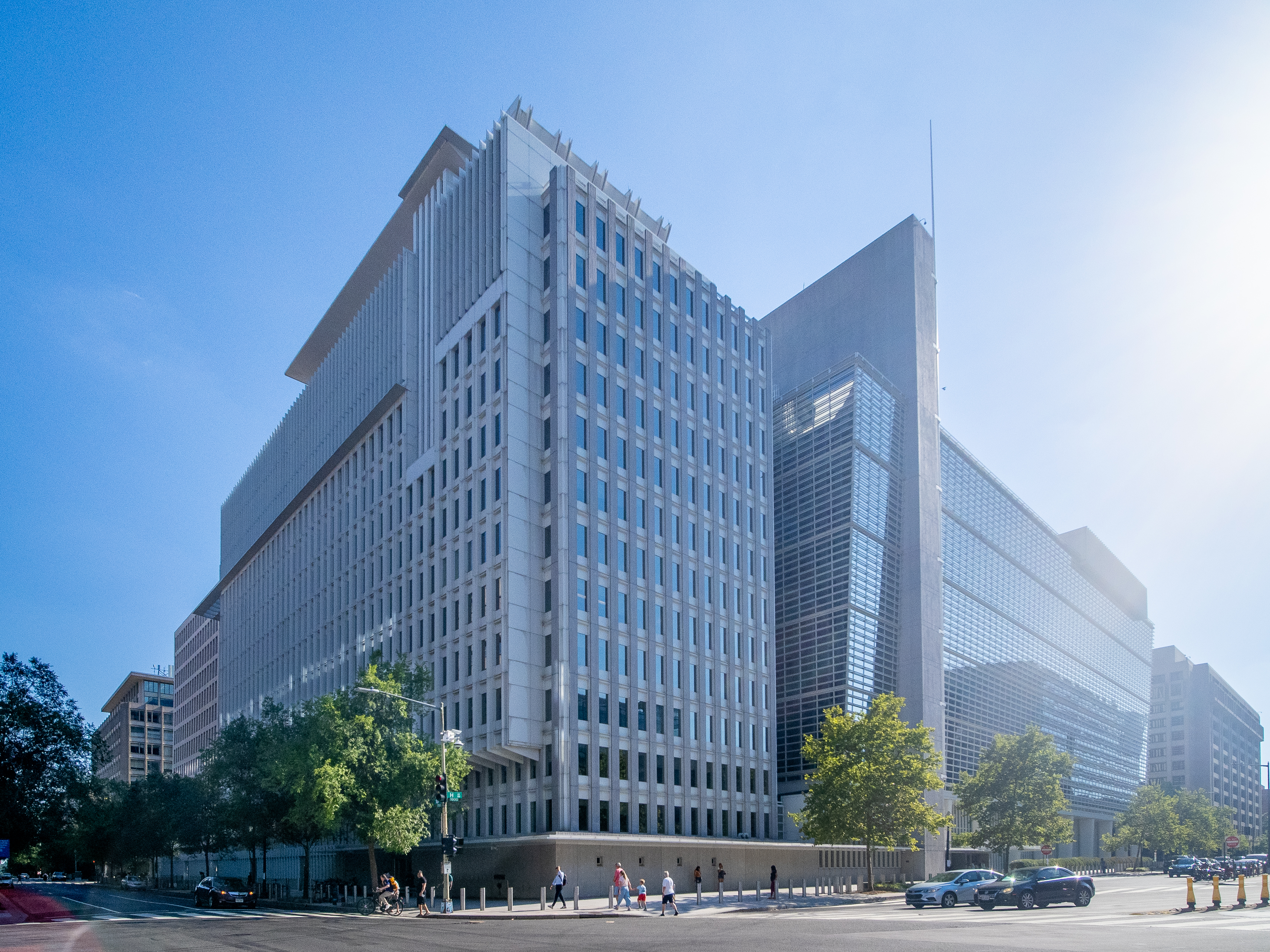
The World Bank Group's main headquarters are located in Washington, D.C., USA, a physical anchor for its vast global operations. However, its presence is far more expansive, with over 130 country offices staffed by local experts. This decentralized approach allows the Bank to tailor its interventions to specific national contexts, engaging directly with governments, civil society, and local communities. These offices are crucial for project implementation, policy dialogue, and understanding the on-the-ground realities of development challenges in diverse regions from Sub-Saharan Africa to Southeast Asia.
💰 Funding & Financial Instruments
The Bank's financial muscle comes from a combination of member country contributions, borrowing on international capital markets, and its own retained earnings. It offers a spectrum of financial products, including low-interest loans, zero-interest credits, and grants through its various arms. The IBRD and the IDA are the primary lending institutions, with IBRD focusing on middle-income and creditworthy low-income countries, and IDA providing concessional financing to the world's poorest nations. The IFC and MIGA focus on private sector development and investment risk mitigation, respectively.
🤝 Who Uses the World Bank?
The primary clients of the World Bank Group are governments of developing and middle-income countries, which access its resources for large-scale infrastructure projects, policy reforms, and capacity building. However, the Bank's influence extends to the private sector through the IFC, which invests in and advises businesses, and MIGA, which provides political risk insurance. Non-governmental organizations (NGOs), civil society groups, and academic institutions also engage with the Bank, often as partners in project implementation or as critical voices in policy debates, contributing to a more robust development dialogue.
⭐ Impact & Criticisms
The World Bank Group's impact is undeniable, having financed millions of projects that have improved access to education, healthcare, clean water, and electricity for billions. Yet, it's also a lightning rod for criticism. Critics, particularly from the Global South, often point to the Bank's historical role in imposing structural adjustment programs that led to austerity measures, increased inequality, and environmental degradation. Debates persist regarding the effectiveness of its lending conditionalities, its governance structure, and its alignment with local development priorities versus the interests of powerful member states.
⚖️ Governance & Decision-Making
The governance of the World Bank Group is a complex structure reflecting its shareholder model, with member countries represented by a Board of Governors. However, voting power is weighted by financial contributions, leading to significant influence for the largest economies, notably the United States and European nations. The President of the World Bank, traditionally an American nominee, chairs the Boards of Directors and oversees the institution's operations. This concentration of power is a frequent point of contention, with calls for greater representation and voice for developing countries in decision-making processes.
💡 Key Initiatives & Focus Areas
The World Bank Group is actively engaged in numerous global challenges, with current strategic priorities including climate change mitigation and adaptation, digital development, human capital development, and fostering resilient economies. Initiatives like the Paris Agreement on climate change see the Bank playing a crucial role in mobilizing finance and supporting countries' transition to low-carbon pathways. It also champions programs focused on gender equality, food security, and strengthening public health systems, demonstrating a broad commitment to achieving the UN Sustainable Development Goals.
🚀 Getting Involved & Staying Informed
Engaging with the World Bank Group can take many forms. For individuals interested in development careers, the Bank offers various employment and internship opportunities, often requiring specialized skills in economics, engineering, or social sciences. For researchers and activists, staying informed through its extensive publications, data portals, and public consultations is key. The Bank's website is a rich resource for reports, project information, and policy documents, providing transparency and avenues for public input into its operations and strategic direction.
Key Facts
- Year
- 1944
- Origin
- Bretton Woods Conference
- Category
- International Organizations
- Type
- Organization
Frequently Asked Questions
What's the difference between the World Bank and the IMF?
While both were born at Bretton Woods, the IMF focuses on macroeconomic stability, exchange rates, and balance of payments issues, acting as a global financial firefighter. The World Bank Group, on the other hand, is primarily concerned with long-term economic development and poverty reduction, providing loans and grants for specific projects and policy reforms in developing countries. They often collaborate but have distinct mandates.
Does the World Bank only lend to poor countries?
No, the World Bank Group serves a range of countries. The IBRD lends to middle-income and creditworthy low-income countries, while the IDA provides concessional financing (low or no interest loans, grants) to the world's poorest nations. The IFC also works with private sector entities in developing economies, regardless of their income level.
How does the World Bank decide which projects to fund?
Projects are typically proposed by national governments and undergo rigorous appraisal by the Bank's staff. This involves assessing economic viability, social and environmental impact, and alignment with the country's development strategy and the Bank's own operational policies. The process often involves extensive consultation with stakeholders, though the ultimate approval rests with the Bank's management and Board of Directors.
Can individuals or NGOs get money directly from the World Bank?
Direct funding for individuals is rare, but NGOs and civil society organizations can be involved as implementing partners for Bank-financed projects. The Bank also has specific trust funds and programs that support civil society engagement and advocacy. The IFC provides financing and advisory services directly to private sector companies in developing countries.
What are the main criticisms leveled against the World Bank?
Key criticisms include the perceived dominance of wealthy nations in decision-making, the imposition of conditionalities that can harm vulnerable populations (e.g., austerity measures), the environmental and social impacts of large infrastructure projects, and concerns about corruption and the effectiveness of its lending. The Bank has made efforts to address these criticisms through reforms, but debates continue.
How transparent is the World Bank?
The World Bank Group has significantly increased its transparency over the years, publishing vast amounts of data, project documents, and evaluation reports online. It has an Access to Information policy that allows the public to request documents. However, critics argue that true transparency requires more than just access to documents; it necessitates genuine openness to external influence and accountability.